
Bread molds quickly for one main reason: it is stored in a way that traps moisture while still allowing mold spores to grow.
Preventing mold is not about making bread airtight or freezing everything immediately. It is about controlling airflow, humidity, and temperature based on how soon the bread will be eaten.
When stored correctly, fresh bread can last several days longer without turning stale or developing mold.
Why Bread Gets Moldy So Fast
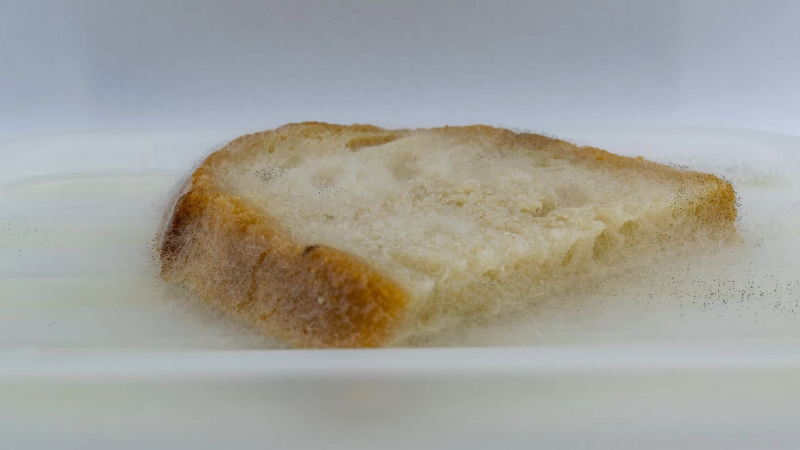
Bread is an ideal environment for mold. It contains moisture, carbohydrates, and enough air exposure to support fungal growth.
Mold spores are already present in the air and on surfaces, so storage is about slowing their growth, not eliminating them.
Three factors drive mold development:
- Moisture is trapped around the bread
- Warm temperatures
- Limited airflow
Plastic bags at room temperature create the worst combination: warm, moist, and sealed.
The Biggest Storage Mistake: Refrigeration
View this post on Instagram
Refrigerating bread seems logical, but it usually makes things worse. Cold temperatures slow mold growth slightly, but they dramatically accelerate staling, which makes bread dry, crumbly, and flavorless.
Unless the bread is very high in moisture or already near spoilage, the refrigerator should be avoided.
Storage Method Comparison
| Storage Location | Mold Risk | Staling Speed |
| Counter (proper storage) | Low | Slow |
| Refrigerator | Low | Very fast |
| Freezer | None | Stops completely |
Best Everyday Storage: Room Temperature With Airflow
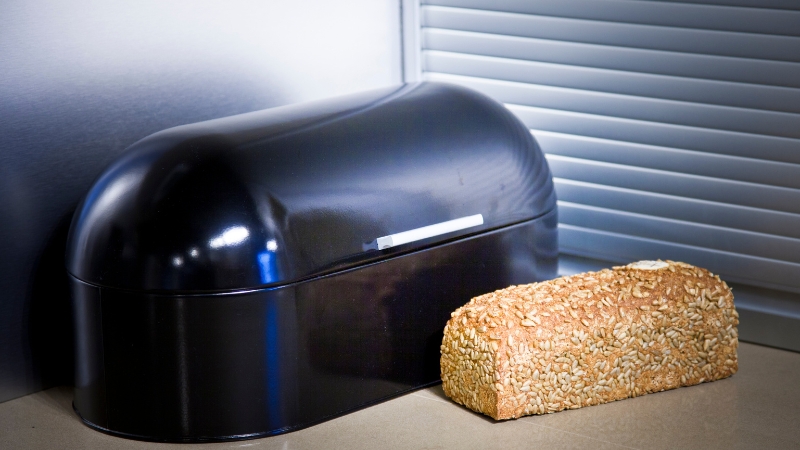
For bread that will be eaten within 2–4 days, room temperature storage is best.
The goal is to allow some airflow so moisture does not condense, while still protecting the bread from drying out too fast.
Good options include:
- Paper bread bags
- Linen or cotton bread bags
- Bread boxes with ventilation
Avoid fully sealed plastic unless the environment is very dry.
Why Bread Boxes Work
Bread boxes are designed to strike a balance between airflow and protection. They reduce direct exposure to air currents while preventing moisture buildup.
Modern and traditional bread boxes both work as long as they are not airtight.
Room Temperature Storage Outcomes
| Container Type | Mold Likelihood | Texture Preservation |
| Bread box | Low | Good |
| Paper bag | Low | Moderate |
| Cloth bag | Low | Good |
| Plastic bag | High | Poor |
How Bread Type Changes Storage Strategy
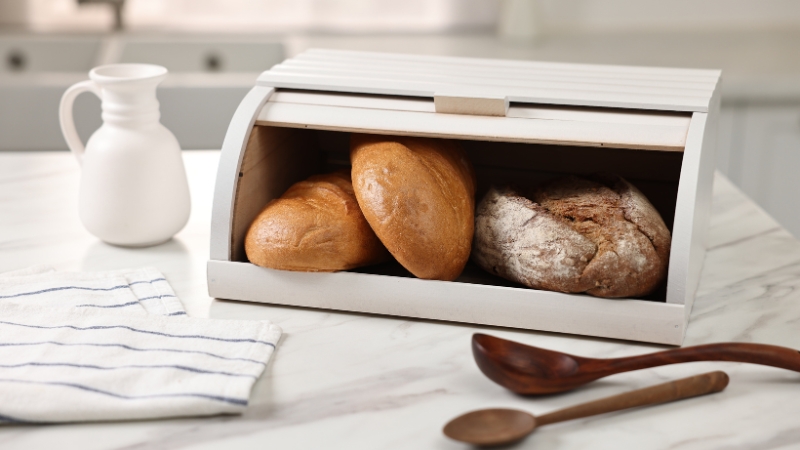
Artisan and Bakery Bread
Crusty breads with minimal preservatives mold quickly if trapped in plastic. They stay best when loosely wrapped to preserve the crust.
Best method:
- Cut side down on a cutting board, or
- Paper or cloth bag at room temperature
Shelf life is usually 1–3 days.
Sandwich Bread and Commercial Loaves
These breads often contain preservatives that slow mold but trap moisture easily.
Best method:
- Original packaging loosely closed
- Stored in a cool, dry area away from sunlight
Shelf life is usually 4–7 days once opened.
Whole Grain and Seeded Bread
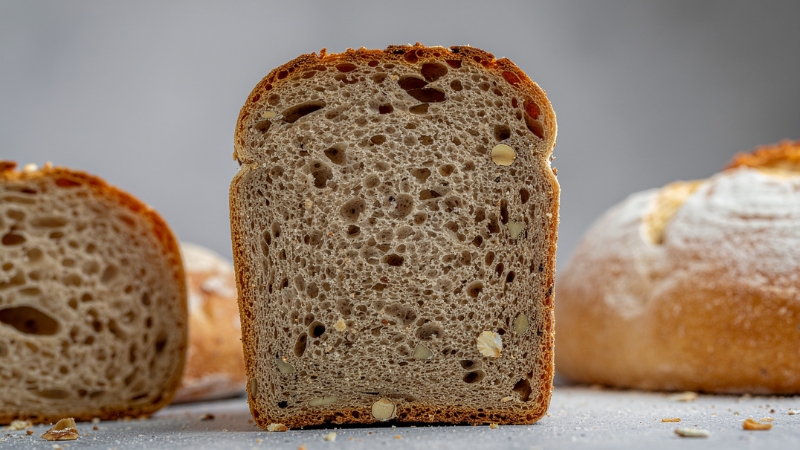
Whole-grain bread molds faster due to higher moisture and natural sugars.
Best method:
- Short-term: bread box or cloth bag
- Long-term: freezing
Shelf life is usually 3–5 days.
Bread Storage by Type
| Bread Type | Best Storage | Typical Mold-Free Time |
| Artisan loaf | Paper or cloth | 1–3 days |
| White sandwich bread | Original bag | 4–7 days |
| Whole-grain bread | Cloth or freeze | 3–5 days |
| Homemade bread | Paper or freeze | 2–4 days |
Freezing Bread: The Most Effective Mold Prevention
Freezing completely stops mold growth and preserves bread quality when done correctly.
Best practices:
- Slice before freezing
- Wrap tightly to prevent freezer burn
- Freeze as soon as the bread is fresh
Frozen bread can be toasted directly from the freezer or thawed at room temperature.
Freezing Bread Results
| Method | Mold Prevention | Texture After Thaw |
| Room temperature | Limited | Fresh initially |
| Refrigerator | Partial | Dry, stale |
| Freezer | Complete | Very good |
Why Plastic Encourages Mold
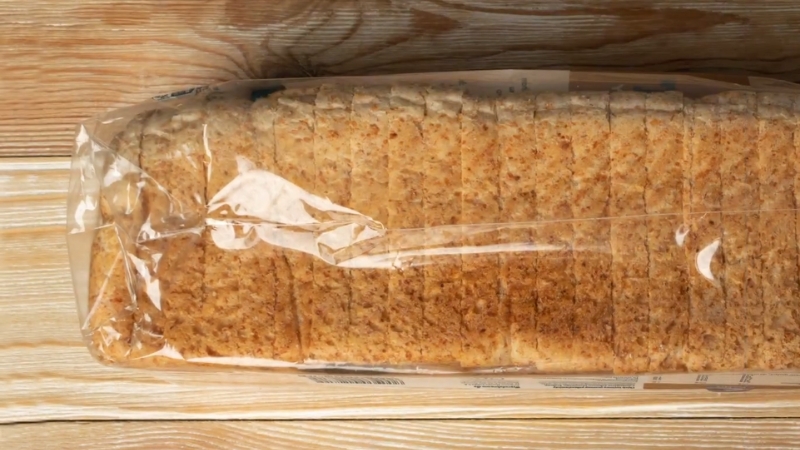
Plastic traps moisture released by bread as it cools and ages. That moisture condenses on the surface, creating the perfect environment for mold spores to grow.
This is why bread in plastic often molds before it goes stale.
Plastic only works in very dry climates or for bread meant to be consumed quickly.
What To Do If You See Mold
If you see mold on bread, discard the entire loaf. Mold roots spread invisibly through soft foods, even if only one spot is visible. Cutting off moldy sections is not safe for bread.
Mold Safety Rules
| Food Type | Safe to Trim Mold? |
| Bread | No |
| Hard cheese | Sometimes |
| Hard vegetables | Sometimes |
| Soft foods | No |
Final Perspective
@natalie.ljyHow to keep your bread fresh! 🍞 Fresh bakery bread has less to no preservatives, so it spoils faster, but there’s an easy way to keep it fresh for weeks! Proper storage prevents mold and waste while maintaining quality. Here’s how to store your bread the right way so you can enjoy every slice without worry 🙂♬ Vlog ・ Stylish city pop(1275391) – orino
Preventing bread mold is about moisture control, not sealing bread away from air or refrigerating it. Room temperature storage with airflow works best for short-term use.
Freezing is the safest option for long-term storage. Refrigeration should generally be avoided.
Once bread is stored according to its type and how quickly it will be eaten, mold stops being a daily frustration and becomes a rare exception.

Hi there, my name is Kelly Barlow and kellytoeat.com is my blog. Here, I write about various recipes I want to reccommend to readers.
I try to find the best possible recipes that can attract the attention of readers, and at the same time, I strive to write it in the most engaging manner possible.
When I was younger, I wanted to become a chef. Sadly, it wasn’t meant to be, but at the very least, I write about it.