
Grilling adds smoky flavor and crisp texture that suit seafood especially well.
Fish prepared over open heat develops light char on the surface while staying tender inside.
Ideal choices share a few traits, such as firm flesh, thicker cuts, and enough natural oil to handle direct heat without drying out.
Selecting the right species makes grilling simpler and far more rewarding, even for beginners.
| Fish | Texture and Fat Content | Why It Works on a Grill |
| Salmon | High oil content with fatty, moist flesh | Handles high heat, stays moist, chars cleanly |
| Tuna | Dense, steak-like flesh | Holds shape, sears quickly, stays tender inside |
| Swordfish | Firm, thick, evenly dense flesh | Resists flaking, cooks evenly, grills clean |
| Mahi Mahi | Moderately lean with firm flesh | Holds together, cooks fast, flakes neatly |
| Snapper | Lean flesh with sturdy skin | Skin protects meat, cooks evenly |
| Halibut | Thick, dense fillets with low fat | Sits stable, browns well with control |
1. Salmon
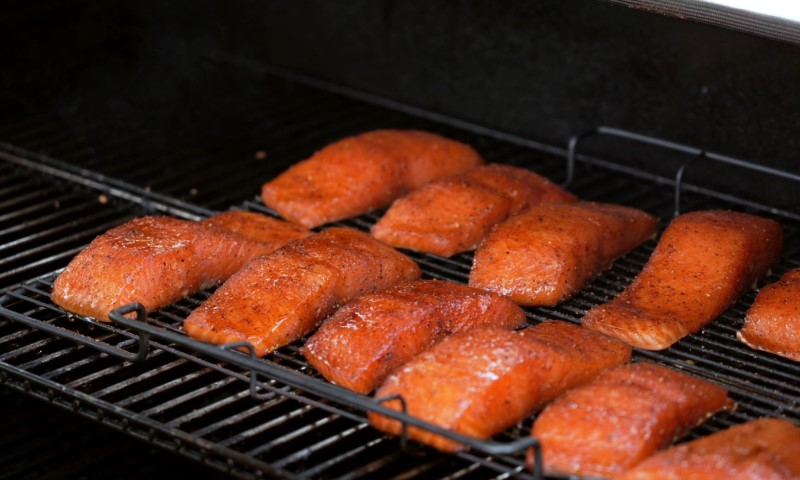
Salmon ranks among the most reliable choices for grilling thanks to its high oil content, which keeps the flesh moist during cooking.
Fatty texture reacts well to grill heat, forming light char while staying tender inside.
Natural richness allows salmon to tolerate higher temperatures without drying out, which makes timing more forgiving than with leaner fish.
Grill heat enhances flavor without overwhelming it, creating a balance between crisp exterior and soft interior.
Seasoning flexibility adds to its versatility, since salmon works just as well with bold spice rubs as it does with simple salt and pepper.
Several traits explain why salmon performs so consistently on the grill, including:
- natural oils that limit moisture loss during high heat exposure
- skin that shields flesh against sticking and excess heat contact
- thickness that supports even cooking across the fillet
Skin-on fillets add another layer of insurance, especially for direct grilling over open flames. Intact skin helps the fillet release cleanly and keeps the flesh stable during flipping.
Cedar planking offers another effective option, introducing gentle smoke while reducing exposure to intense heat and lowering flare-up risk.
Planking also slows cooking slightly, which supports even doneness. Also, consider trying Moroccan salmon.
2. Tuna
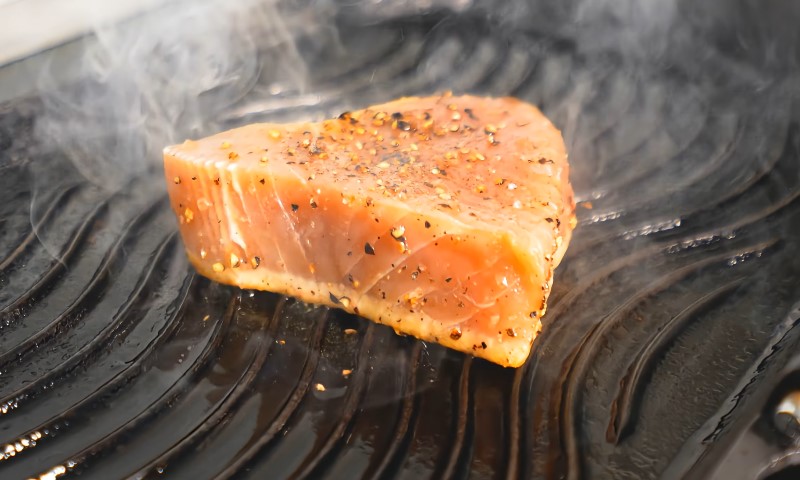
Tuna offers dense flesh that behaves much like a steak on the grill.
Firm structure allows thick cuts to sit securely on hot grates without breaking apart or losing moisture too quickly.
High heat suits tuna best, paired with very short cooking times that protect interior texture.
Exterior browning happens rapidly, while the center stays soft and tender.
Interior doneness plays a major role in final results, since extended cooking quickly removes moisture and tightens the flesh.
Best practices support consistent outcomes, including:
- slicing steaks at least one inch thick for better heat control
- cooking rare or medium-rare to preserve tenderness
- using bold marinades or simple salt for clean flavor
Quick searing on each side creates contrast between a browned surface and a silky center.
Brief resting after grilling allows juices to settle before slicing, improving texture and appearance.
3. Swordfish
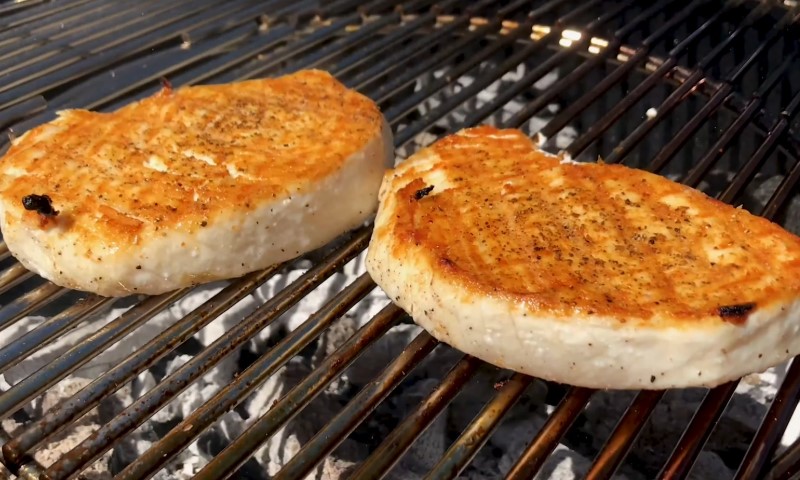
Swordfish features a firm, meaty texture often compared to beef, which makes grilling feel familiar even for newcomers.
Dense flesh stays intact during cooking, reducing stress at the grill and limiting breakage that often occurs with softer fish.
Thickness allows swordfish to handle direct heat confidently, supporting proper browning without rapid moisture loss. Heat penetrates gradually, giving cooks more control over doneness.
Mild taste welcomes many seasoning styles, including spice rubs, herb pastes, or light marinades that add flavor without masking natural character.
Even thickness across steaks promotes uniform doneness without constant adjustment or repositioning.
Key reasons swordfish works so well include:
- sturdy flesh that resists flaking on hot grates
- neutral flavor that pairs easily with spices or marinades
- size that allows confident flipping and handling
Strong grill marks develop quickly, and balanced doneness remains easy to achieve with moderate attention and steady heat.
Swordfish suits both quick weeknight grilling and longer outdoor cooking sessions.
For those looking to source high-quality, grill-ready proteins, not just fish but also premium cuts of beef, lamb, and chicken, you can discover ButcherCrowd’s curated meat boxes for convenient delivery and top-tier sourcing.
4. Mahi Mahi
Mahi mahi balances firmness and flakiness, creating a pleasing contrast after grilling.
Flesh holds together over heat yet separates into soft flakes once served, offering clean bites without crumbling.
Leaner structure than salmon calls for careful oiling, though texture still holds up well on grill grates.
Short cooking time supports moisture retention, especially when fillets remain undisturbed during searing.
Gentle sweetness pairs naturally with lighter seasoning choices that avoid overpowering the fish.
Flavor pairings often focus on:
- citrus notes like lime or orange
- fresh herbs such as cilantro or parsley
- fruit-based accents that add brightness
Light oiling before cooking supports moisture retention and encourages clean release during flipping, especially with thinner fillets that cook quickly.
5. Snapper
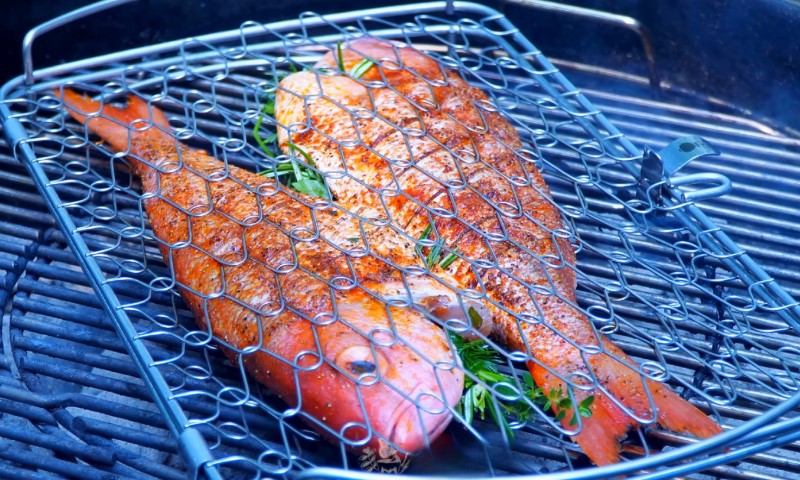
Snapper offers lean flesh with enough structure to grill successfully when skin stays on. Flesh remains delicate, yet skin provides stability that helps the fish hold together over direct heat.
Whole red snapper performs especially well, producing even cooking and strong visual impact at the table.
Natural shape allows heat to circulate evenly, which supports consistent doneness across thicker and thinner areas.
Skin acts as a natural barrier during grilling, protecting delicate meat and limiting sticking against hot grates.
Whole fish preparation also helps retain moisture inside the cavity, supporting tenderness and clean texture once served.
Successful approaches often include:
- grilling whole fish with cavity lightly seasoned to protect moisture
- keeping heat steady and moderate to avoid scorching skin
- turning carefully using wide tools for support and control
Slits cut into the skin help heat penetrate evenly and allow seasoning to reach the flesh.
Fillets also perform well with gentle handling, steady heat, and proper oiling before contact with the grill surface. Leaving fillets undisturbed until release improves structure and appearance.
6. Halibut
View this post on Instagram
Halibut provides thick fillets that sit securely on grill grates, which reduces movement during cooking and lowers the risk.
Dense structure supports clean grill marks, yet lean nature calls for attention, since moisture escapes faster than with oilier fish.
Surface prep and timing directly affect final texture, making restraint important during grilling.
Even slight overcooking leads to dryness, so controlled heat supports better outcomes.
Helpful techniques include:
- brushing fillets with oil before grilling to protect surface moisture
- flipping only once to avoid tearing and moisture loss
- adding glazes or butter near finishing time to enhance texture
Thicker cuts benefit from indirect heat toward the end of cooking, allowing interior doneness without surface drying.
Mild flavor pairs nicely with citrus or herbs added late in the process, enhancing taste while keeping the fish balanced and clean.
Grilling Tips for Fish
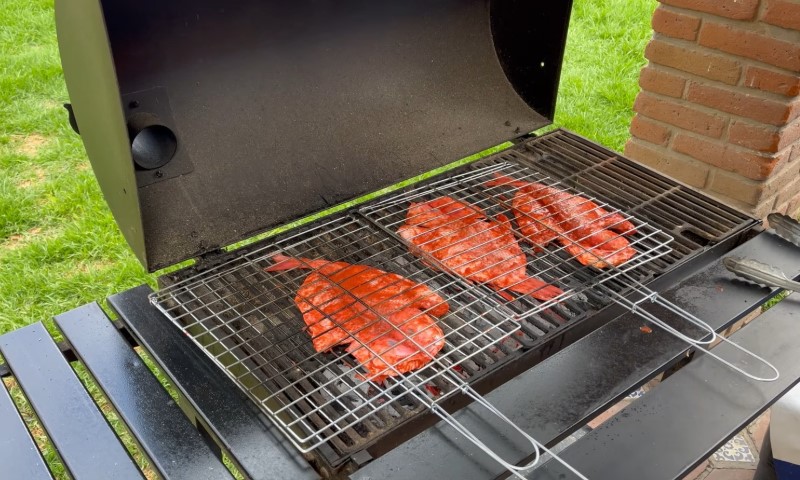
Clean grill grates thoroughly before cooking, then coat them lightly with oil to reduce sticking and tearing.
Proper surface prep matters as much as seasoning, since fish clings easily to dirty or dry grates. Heat control also plays a major role, as fish reacts quickly to temperature changes.
Skin-on cuts add valuable structure, helping fillets stay intact while shielding flesh against direct heat exposure.
Medium-high heat suits most fish varieties, encouraging proper sear formation without scorching the exterior or drying the center.
Attention to handling often determines final results.
Constant flipping or poking weakens structure and disrupts browning, while restraint allows proteins to set naturally.
Several habits consistently improve texture and presentation, including:
- flipping only once after natural release occurs
- using grill baskets or foil with thinner or more delicate cuts
- choosing a wide spatula that supports the full length of the fillet
- positioning fish at a slight angle to grill grates for cleaner marks
Allowing fish time to cook undisturbed supports even browning and stronger surface structure. Patience lowers the risk of breakage and supports cleaner turns.
What to Avoid
Very flaky fish such as cod or sole struggle on direct heat and tend to fall apart before proper browning develops. Frequent movement increases sticking, tearing, and uneven cooking.
Overcooking remains one of the most common mistakes and quickly results in dry, tough flesh.
Relying only on time often leads to disappointment, so visual and tactile cues provide better guidance.
Removal should happen once flesh turns opaque and separates easily with gentle pressure.
The Bottom Line
Salmon, tuna, swordfish, mahi mahi, snapper, and halibut offer reliable texture and flavor for grilling success.
Proper preparation, oiling, and attention to timing make a major difference.
Experimenting with seasonings and techniques keeps grilled fish exciting and satisfying.

Hi there, my name is Kelly Barlow and kellytoeat.com is my blog. Here, I write about various recipes I want to reccommend to readers.
I try to find the best possible recipes that can attract the attention of readers, and at the same time, I strive to write it in the most engaging manner possible.
When I was younger, I wanted to become a chef. Sadly, it wasn’t meant to be, but at the very least, I write about it.