
Many people assume canned foods are less nutritious than fresh options.
That idea overlooks how canning works and what it preserves. Fruits, vegetables, and proteins are often harvested at peak ripeness and sealed quickly, locking in key nutrients while making them shelf-stable.
Smart canned foods choices can deliver fiber, protein, healthy fats, and antioxidants that support everyday nutrition.
Let us check some of the best options when it comes to canned foods healthier than fresh.
| Canned Food | Key Nutrients | Core Health Benefits | Main Advantage |
|---|---|---|---|
| Tomatoes | Lycopene, vitamin C, potassium | Supports heart health, improves antioxidant absorption | Long shelf life, ideal for cooking |
| Beans | Protein, fiber | Aids digestion, blood sugar balance, satiety | Affordable, no prep needed |
| Pumpkin | Beta-carotene, fiber | Supports eye health and digestion | Year-round availability |
| Fish | Omega-3s, protein, calcium, vitamin D | Supports heart, brain, and bone health | Shelf-stable, quick meals |
| Corn | Fiber, lutein, B vitamins | Supports eye health and energy metabolism | Versatile and flavorful |
| Fruit | Vitamins, fiber | Encourages regular fruit intake | Convenient and long-lasting |
| Leafy Greens | Iron, calcium, antioxidants | Supports bones and oxygen transport | Reduced waste, easy storage |
| Beets | Nitrates, antioxidants | Supports circulation and heart health | Ready to eat, colorful |
1. Canned Tomatoes

Tomatoes offer strong nutritional value due to how heat alters their antioxidant profile. Lycopene, linked to heart health and reduced chronic inflammation, becomes easier for the body to absorb after processing.
Vitamins and minerals remain stable, making canned tomatoes a dependable option year-round. Regular use in cooking supports consistent nutrient intake without relying on seasonal produce.
- Increased lycopene bioavailability compared to raw tomatoes
- Reliable levels of vitamin C, potassium, and carotenoids
- Long shelf life with minimal nutrient loss
Canned tomatoes work well as a foundation for sauces, soups, and stews, especially when fresh tomatoes lack flavor or availability. No salt added, or low-sodium varieties, help control sodium intake while preserving taste and texture.
2. Canned Beans (Chickpeas, Black Beans, Lentils)
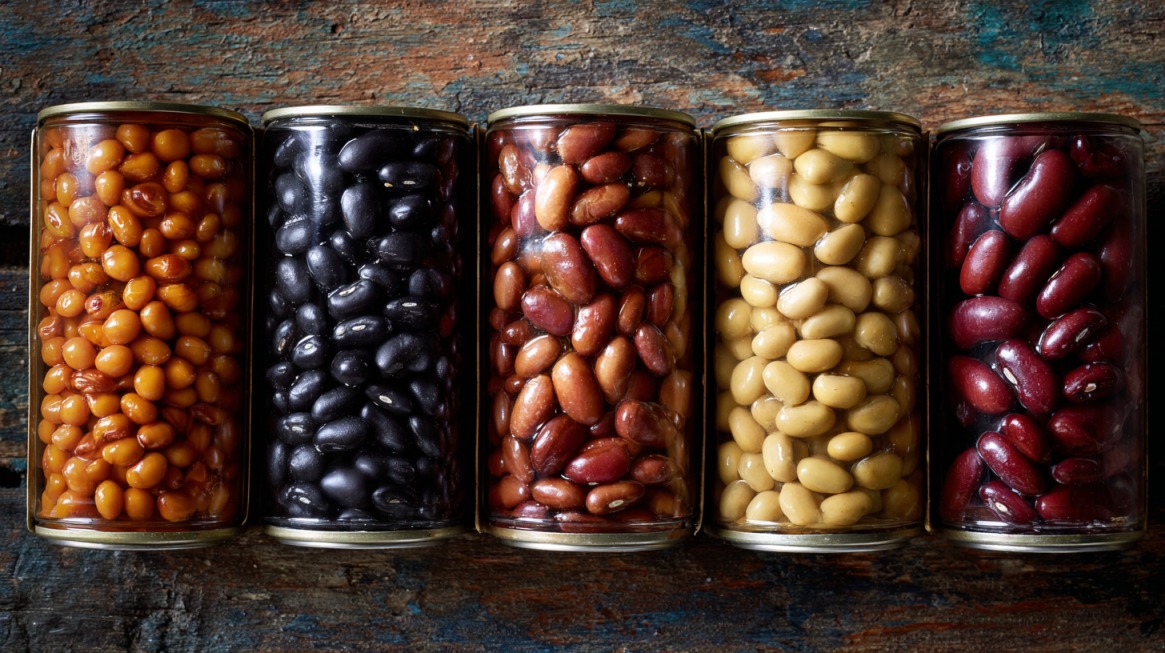
The next on this list of ours are canned beans, which supply plant-based protein and fiber that support digestion, blood sugar stability, and satiety. Convenience allows frequent use without soaking or long cooking times, making balanced meals easier to prepare.
- Rinsing removes a large portion of the added sodium
- Fiber content supports gut health and fullness
- Protein levels aid muscle maintenance and energy balance
Canned beans fit naturally into salads, wraps, soups, and stews, adding substance without high cost. Budget-friendly pricing and long storage life strengthen their value as a pantry essential.
3. Canned Pumpkin

Next, canned pumpkin provides a dense source of beta-carotene, which the body converts into vitamin A to support eye health and immune function.
Gentle processing concentrates nutrients while preserving fiber, making canned pumpkin especially effective for digestive support and appetite regulation. Year-round availability allows steady use without relying on seasonal produce, supporting consistent nutrient intake.
- Pure pumpkin delivers high fiber and vitamin A levels per serving
- Unsweetened varieties prevent unnecessary sugar intake
Canned pumpkin performs well in baked goods, soups, sauces, and savory dishes, offering flexibility while maintaining strong nutritional quality and smooth texture.
4. Canned Fish (Salmon, Sardines, Tuna)

Canned fish offers omega-3 fatty acids that contribute to heart health, cognitive function, and inflammation control.
Minimal processing preserves protein quality, while shelf stability increases convenience and affordability. Reliable nutrient delivery makes canned fish a practical option for regular consumption.
- Sardines supply calcium through soft, edible bones
- Vitamin D content supports bone strength and immune function
- Omega-3 fats remain stable during the canning process
Options packed in water or olive oil with low added salt help manage sodium intake while supporting cardiovascular health. Canned fish simplifies meal planning, fitting easily into salads, sandwiches, and quick dinners without compromising nutrition.
5. Canned Corn
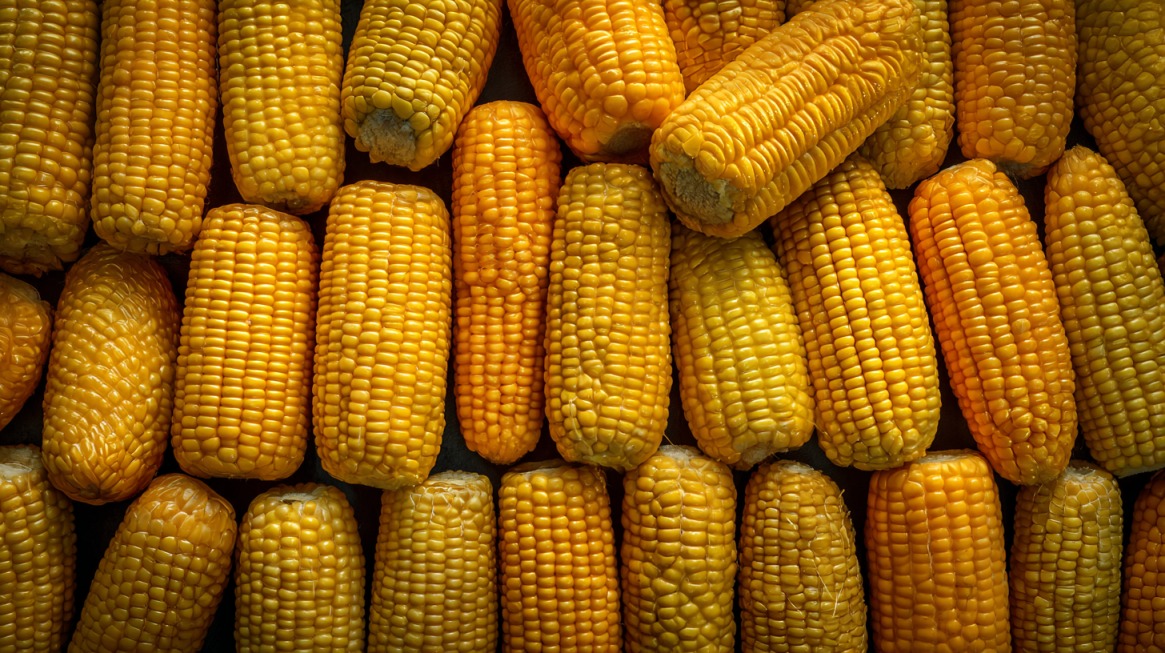
As a fifth entry, we have canned corn. Canned corn holds onto important nutrients even after processing, making it a dependable vegetable option. Antioxidants such as lutein and zeaxanthin play a role in eye health by helping protect vision as people age.
Fiber content supports digestion and helps promote fullness, which can assist with balanced eating patterns.
- B vitamins assist metabolic processes that convert food into usable energy
- Potassium supports muscle contraction and proper nerve signaling
- Folate aids cell growth, repair, and overall tissue health
Mild sweetness and vibrant color allow canned corn to work naturally in salads, soups, salsas, and side dishes while preserving nutritional value and texture.
6. Canned Fruit (in Juice or Water)
View this post on Instagram
Canned fruit offers vitamin and fiber levels comparable to fresh fruit when packed with care. Reliable shelf life encourages consistent fruit consumption, especially when fresh produce spoils quickly or costs more.
- Fruit packed in juice or water avoids unnecessary added sugars
- Heavy syrup increases total sugar and calorie intake
Canned fruit fits easily into oatmeal, yogurt, smoothies, and desserts, supporting balanced meals and convenient snacking without sacrificing nutritional quality.
7. Canned Spinach and Other Leafy Greens
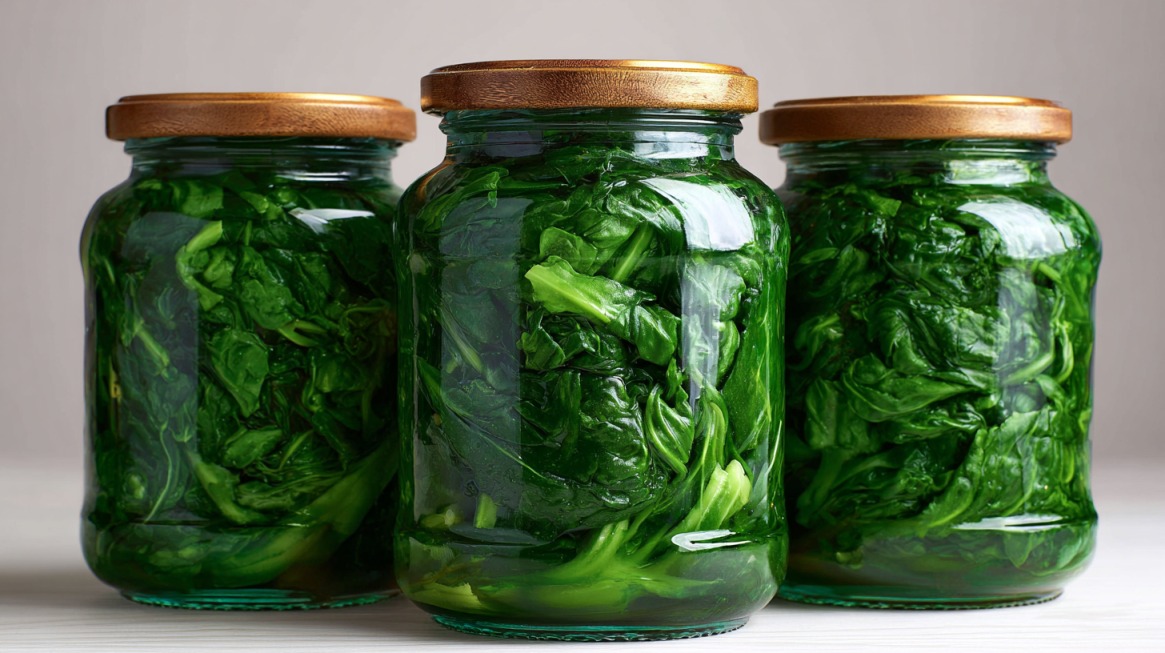
Leafy greens deliver concentrated nutrients because water loss during cooking reduces volume while preserving minerals and antioxidants. An extended shelf life helps reduce food waste and supports efficient meal planning, especially for households that struggle to use fresh greens quickly.
Cooked applications benefit most, since nutrients remain stable and easy to absorb.
- Iron supports oxygen transport throughout the body and helps reduce fatigue
- Calcium contributes to bone strength and proper muscle contraction
- Antioxidants assist with managing oxidative stress and cellular health
Soups, dips, casseroles, and other cooked dishes gain added nutritional depth through canned greens, offering dependable quality without pressure for immediate consumption.
8. Canned Beets
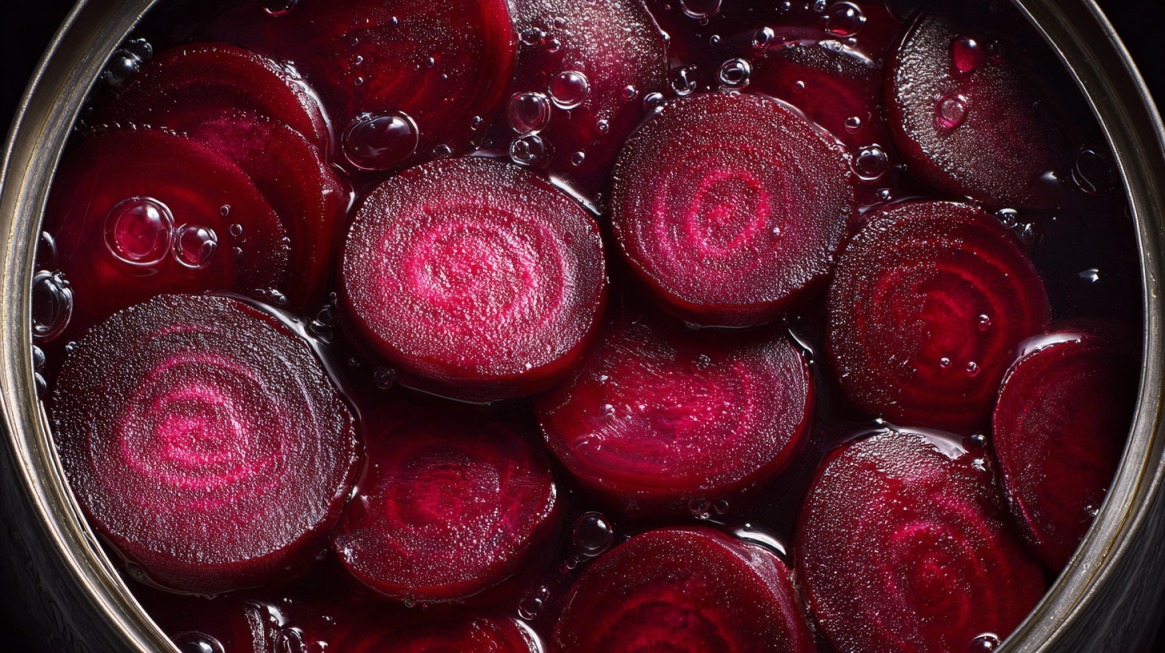
Last but not least, canned beets supply naturally occurring nitrates that support healthy blood flow and cardiovascular performance.
Gentle processing preserves these compounds while keeping texture soft and ready to use. Simple preparation encourages regular intake, making it easier to benefit consistently.
- Nitrates assist circulation and overall vascular function
- Natural pigments contribute antioxidant protection at the cellular level
Salads, grain bowls, and simple side dishes benefit easily through canned beets, adding convenience along with measurable health advantages and vibrant color.
The Bottom Line
Canned foods deserve recognition as practical and nutrient-dense pantry staples rather than inferior substitutes.
Health professionals encourage selecting options with minimal additives, focusing on low-sodium and no-added-sugar varieties.
Balanced eating patterns can include canned foods confidently, especially during seasons when fresh produce costs more or availability drops.

Hi there, my name is Kelly Barlow and kellytoeat.com is my blog. Here, I write about various recipes I want to reccommend to readers.
I try to find the best possible recipes that can attract the attention of readers, and at the same time, I strive to write it in the most engaging manner possible.
When I was younger, I wanted to become a chef. Sadly, it wasn’t meant to be, but at the very least, I write about it.