
In 2026, banquet menus are becoming more interactive, more personalized, and more focused on presentation.
A strong menu can create an experience that shows personality, style, heritage, and connection.
Modern hosts often look for menus that balance guest experience, dietary flexibility, visual impact, and polished meal timing.
Some events call for a formal course dinner, while others feel more natural with live food stations, grazing tables, late-night snacks, or chef-attended dessert bars.
Many successful banquets use both, pairing elegant plated courses with interactive food moments that keep guests engaged.
How to Choose the Best Banquet Menu Style
| Menu Idea | Best For | Examples |
| Interactive Stations | Large events | Pasta, tacos, sushi, carving, bowls |
| Plated Dinners | Formal events | Surf and turf, lobster, salmon, Wellington |
| Global Street Food | Multicultural events | Bao buns, tapas, arepas, empanadas |
| Comfort Food | Relaxed events | Sliders, BBQ, pizza, mac and cheese |
| Grazing Tables | Cocktail events | Charcuterie, seafood, brunch spreads |
| Seasonal Menus | Date-based events | Spring vegetables, summer seafood, fall squash |
| Dietary-Friendly Menus | Inclusive events | Vegan risotto, gluten-free pasta, grain bowls |
Match the menu style to the event tone:
- Plated dinner for formal events
- Stations for interactive receptions
- Grazing tables for cocktail-style events
- Comfort food for relaxed celebrations
- Seasonal menus for events tied to a date or location
Guest count, dietary needs, event timing, venue setup, and guest flow should guide the menu.
For events hosted at restaurants or semi-private dining spaces, restaurant group bookings can be a practical option for organized meals, shared menus, and easier guest coordination.
Food stations need careful placement to prevent crowding. Spread stations throughout the venue when possible.
Interactive stations need enough room for prep tables, cooking equipment, staff, and guest lines.
Professional chefs or attendants can improve flow, show guests how items are assembled, manage replenishment, and maintain food safety.
1. Interactive Food Stations
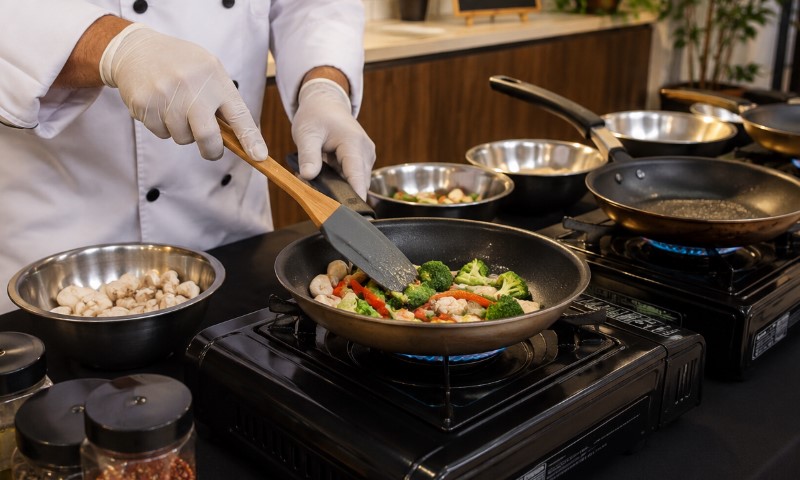
Live stations and build-your-own setups make banquet dining more engaging, flexible, and efficient for large groups.
Guests can watch chefs prepare food, choose ingredients, and build plates that match their preferences.
Best options include:
- Chef-guided pasta station
- Taco bar
- Sushi station
- Carving station
- Build-your-own bowl station
- Interactive salad bar
- Dessert station
Taco bars can include slow-cooked carnitas, grilled shrimp, plant-based fillings, fresh salsas, guacamole, cheeses, mango-habanero salsa, roasted tomatillo salsa, Mexican street corn, and cilantro-lime rice.
Sushi stations can include tuna, salmon, avocado, cucumber, tempura flakes, gluten-free soy sauce, and vegan-friendly fillings.
An expert sushi chef can help guests choose rolls, fillings, and sauces.
Pasta bars can offer fettuccine, penne, gluten-free pasta, marinara, Alfredo, pesto, arrabbiata, grilled chicken, meatballs, vegetables, Parmesan, and fresh herbs.
Three to five well-curated stations usually give guests enough variety without making the event feel crowded or hard to manage.
2. Elegant Plated Dinners
Plated dinners work best for formal banquets, black-tie weddings, galas, and executive events.
Coursed meals support clear timing, seated programming, speeches, awards, and a polished atmosphere.
Strong plated dinner options include:
- Surf and turf
- Lobster dinner
- Prime beef medallions
- Seared diver scallops
- Herb-crusted salmon
- Chicken piccata
- Osso buco
- Mushroom Wellington
Surf and turf pairs red meat with delicate seafood, making it a classic luxury banquet choice.
Mediterranean and French-inspired menus can include fresh seafood, lamb, vegetable dishes, French onion soup, veal medallions, and refined sauces.
Vegetarian plated options can include Mushroom Wellington, seasonal vegetable tarts, risotto, or composed grain dishes.
3. Global Street Food Menus
View this post on Instagram
Global street food menus add flavor, energy, and personality to banquet dining.
In 2026, many events present these foods with polished plating, quality ingredients, and chef-led preparation.
Popular options include:
- Bao buns with pork belly, pickled vegetables, and hoisin sauce
- Taco bars with freshly pressed corn tortillas, slow-roasted pork, and salsa bars
- Arepas with cheese and shredded beef
- Spanish tapas with olives, jamón, cheese, and fried calamari
- Sushi spreads or live sushi bars
- Indian cuisine
- Mexican fiesta-style fajita or enchilada stations
- Empanadas with savory or sweet fillings
Global menus work well for multicultural weddings, welcome dinners, destination events, and casual-luxury banquets.
Menus can also connect to travel, cultural heritage, family roots, or regional food traditions.
4. Elevated Comfort Food
Elevated comfort food turns familiar dishes into banquet-ready menu items with better ingredients, careful preparation, and polished presentation.
Many events use comfort classics instead of overly formal multi-course meals.
Popular options include:
- Gourmet mac and cheese
- Mini short rib or Angus beef sliders
- Artisanal sliders
- Fried chicken with hot honey
- Lobster grilled cheese bites
- Gourmet pizza
- Backyard BBQ with smoked brisket, pulled pork, grilled chicken, and elevated sides
- Seafood boil with crabs, clams, crawfish, potatoes, and corn
- Chicken and waffles for brunch-style events
Gourmet mac and cheese can include aged cheddar, Gruyère, breadcrumbs, lobster, short rib, truffle oil, or roasted vegetables.
Mini sliders can feature short rib, Angus beef, caramelized onions, aioli, sharp cheese, or pickled vegetables.
Gourmet pizza can include anchovies, basil, Romano cheese, sweet potato, kale, or seasonal ingredients.
Backyard BBQ and seafood boils work well for outdoor banquets, rehearsal dinners, relaxed celebrations, and casual corporate events.
5. Grazing Tables and Charcuterie Displays
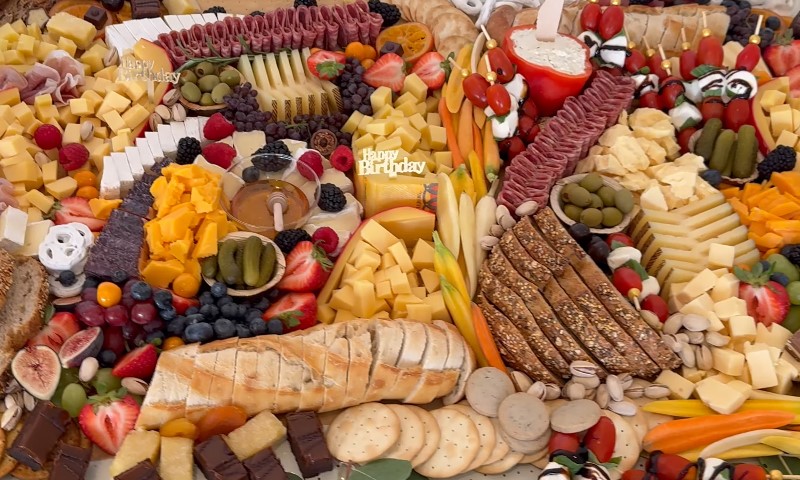
Grazing tables work as both food and décor. A well-planned display gives guests a place to snack, mingle, and enjoy a strong visual focal point.
Popular options include:
- Cheese and charcuterie boards
- Mediterranean grazing tables
- Seafood displays
- Brunch grazing spreads
- Plant-based grazing boards
- Interactive charcuterie and cheese stations
Charcuterie stations can include aged cheddar, brie, blue cheese, goat cheese, prosciutto, salami, soppressata, smoked turkey, breads, crackers, nuts, dried fruits, honey, and fig jam.
Mediterranean grazing tables can include hummus, olives, pita, roasted vegetables, feta, dolmas, cucumbers, tomatoes, and marinated artichokes.
Brunch grazing spreads can include chicken and waffles, mini blueberry French toast squares, fruit platters, egg dishes, ham or turkey carving stations, mimosa bars, and gourmet coffee bars.
Seafood displays can include chilled shrimp, oysters, crab claws, smoked salmon, lemon wedges, cocktail sauce, mignonette, and herbs.
Grazing tables work best for cocktail hours, receptions, networking events, welcome parties, and mingling-focused gatherings.
6. Seasonal and Locally Sourced Menus
Seasonal and locally sourced menus help the food feel fresh, intentional, and connected to the event setting.
Local farms, growers, fisheries, bakeries, and specialty producers can shape the menu around the season.
Seasonal ideas include:
- Spring vegetable dishes
- Summer seafood, fresh salads, and herb-infused dishes
- Fall squash, pumpkin, short ribs, and apple desserts
- Winter harvest menus, braised meats, root vegetables, and warm desserts
Spring menus can include asparagus, peas, artichokes, baby carrots, tender greens, fresh herbs, and citrus.
Summer menus can focus on seafood, fresh salads, grilled vegetables, berries, tomatoes, corn, stone fruit, and herb-infused dishes.
Fall menus can include squash, pumpkin, short ribs, mushrooms, roasted Brussels sprouts, apples, pears, and warm spices.
Winter menus can include braised meats, root vegetables, hearty grains, soups, warm desserts, and seasonal sauces.
Seasonal menus can match the wedding date, corporate theme, venue style, or holiday timing.
7. Plant-Forward and Dietary-Friendly Menus
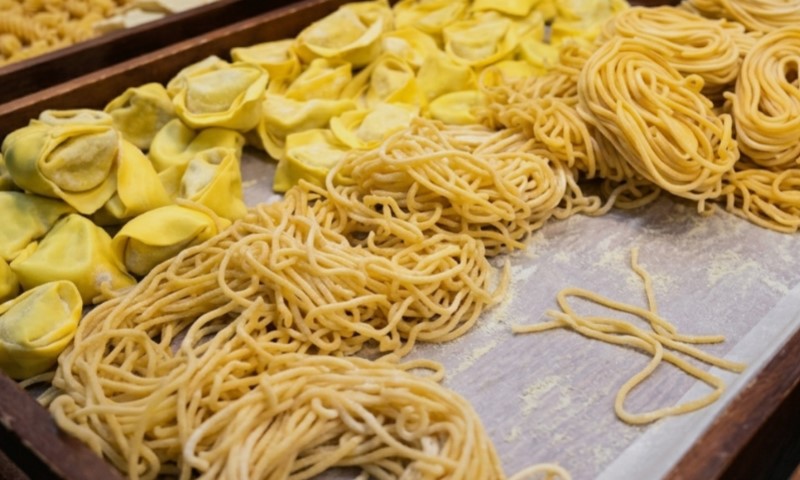
Plant-forward and dietary-friendly menus are expected at modern banquets.
Vegan, vegetarian, gluten-free, keto, and allergy-conscious dishes should feel as complete and flavorful as the main menu.
Strong options include:
- Vegan risotto
- Mushroom Wellington
- Gluten-free pasta station
- Grain bowls
- Mediterranean vegetarian menu
- Plant-based taco bar
- Indian vegetarian banquet
- Interactive salad bar
Vegan risotto can include mushrooms, asparagus, peas, roasted squash, herbs, or dairy-free creamy elements.
Gluten-free pasta stations can include separate utensils, marked sauces, vegetables, proteins, and gluten-free pasta.
Grain bowls can include rice, quinoa, farro, greens, roasted vegetables, tofu, chicken, chickpeas, sauces, and crunchy toppings.
Clear signage should identify vegan, gluten-free, nut-free, and allergen-friendly dishes.
Summary
Strong banquet menus nowadays combine creativity, elegance, personalization, and flexibility.
Interactive stations, plated dinners, global flavors, elevated comfort food, grazing tables, seasonal ingredients, plant-forward options, and late-night snacks can all shape a memorable event.
Interactive stations and plated dinners do not have to compete.
A banquet can begin with a grazing table, move into a plated dinner, add a dessert station, and finish with late-night snacks. Another event might use chef-attended stations as the main meal with a plated dessert later.

Hi there, my name is Kelly Barlow and kellytoeat.com is my blog. Here, I write about various recipes I want to reccommend to readers.
I try to find the best possible recipes that can attract the attention of readers, and at the same time, I strive to write it in the most engaging manner possible.
When I was younger, I wanted to become a chef. Sadly, it wasn’t meant to be, but at the very least, I write about it.