
Cooked chicken is one of those leftovers people want to trust for as long as possible. It looks fine, it smells mostly normal, and throwing it away feels wasteful.
But chicken is also one of the foods most likely to cause food poisoning when it goes bad, and once it crosses that line, reheating does not make it safe again.
Smell Is the First and Most Reliable Signal
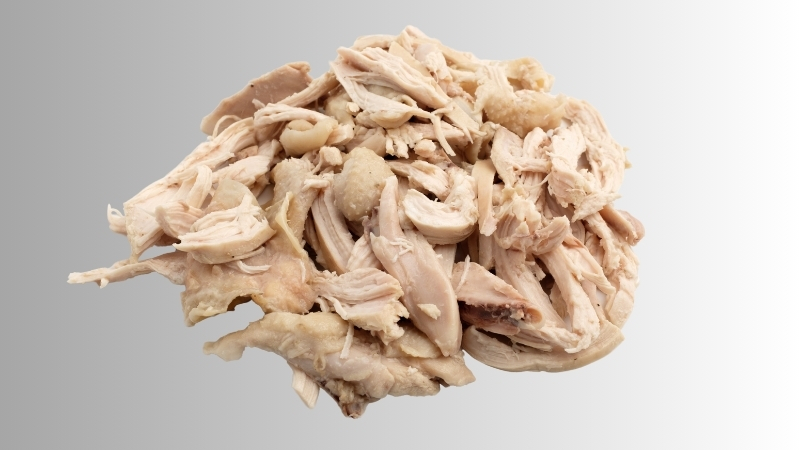
Freshly cooked chicken has very little odor. It may smell like seasoning, broth, or roasting juices, but it should never smell sharp or unpleasant. When chicken begins to spoil, bacteria break down proteins and release gases that create a sour or sulfur-like smell.
If the chicken smells noticeably sour, egg-like, rotten, or simply “off,” it should be discarded immediately. Even a mild sour odor matters.
Many cases of food poisoning happen because people convince themselves the smell is “not that bad.” If you hesitate after smelling it, that hesitation is usually your cue to throw it away.
Texture Changes Tell You More Than Appearance Alone
Healthy cooked chicken feels firm and slightly moist. As spoilage develops, the surface becomes slick or sticky due to bacterial activity. This texture is very different from natural moisture or sauce residue.
If the chicken feels slimy, tacky, or coated with a slippery film, it is unsafe to eat. Washing or reheating will not remove this problem.
Texture changes often appear before strong odors, which is why touching the chicken briefly can be just as important as smelling it.
Visual Changes That Should Never Be Ignored
Color shifts are another warning sign. Properly cooked chicken stays white, beige, or lightly browned depending on the cooking method. When spoilage begins, discoloration appears.
Any green, blue, gray, or fuzzy spots indicate mold growth. Mold on cooked chicken means the entire portion is unsafe, even if only a small area is visible.
Cutting away mold does not solve the problem because mold roots penetrate deeper into the meat.
How Long Cooked Chicken Actually Lasts
Time in the refrigerator is one of the most misunderstood factors. Even when stored correctly in an airtight container, cooked chicken has a short safe window.
Storage Condition
Safe Time Range
Refrigerator at 4°C or below
3 to 4 days
Room temperature
Max 2 hours
Left out overnight
Unsafe
After four days in the refrigerator, the risk of harmful bacteria rises quickly. This is true even if the chicken smells fine. Some dangerous bacteria do not produce strong odors, which is why time matters as much as smell or appearance.
Reheating Does Not Reset Safety
View this post on Instagram
A common mistake is assuming that reheating kills all risks. While heat can destroy some bacteria, it does not eliminate toxins already produced during spoilage.
These toxins can survive high temperatures and still cause illness.
If cooked chicken is stored too long or left out too long, reheating only makes it hot, not safe.
Why Tasting Is Never a Good Idea
Tasting chicken to check if it is still good is risky. Even a small bite can expose you to harmful bacteria or toxins.
Symptoms of chicken-related food poisoning include nausea, vomiting, diarrhea, fever, and dehydration, and they may appear hours or even days later.
If you are unsure, tasting should never be the deciding step.
When Cooked Chicken Should Always Be Thrown Away
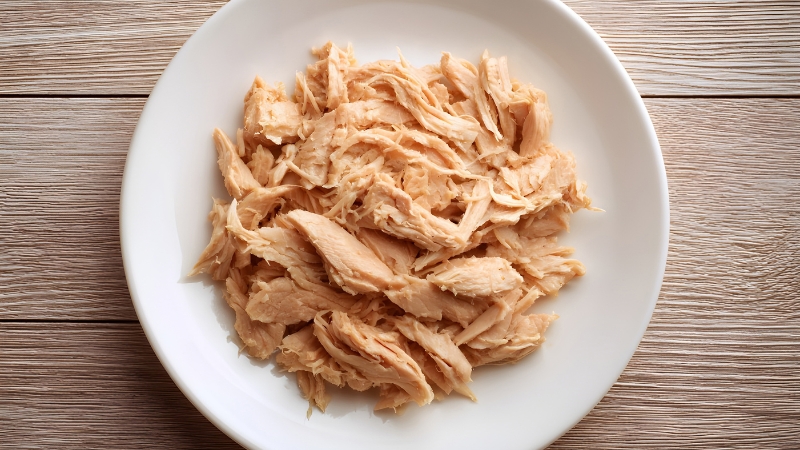
Cooked chicken is unsafe and should be discarded if it smells sour or rotten, feels slimy or sticky, shows any mold or unusual discoloration, has been refrigerated for more than four days, or has been left at room temperature for more than two hours.
Similar spoilage cues apply when ground beef has gone bad, especially sour odors, sticky texture, or color shifts that signal bacterial growth.
Any one of these signs is enough on its own.

Hi there, my name is Kelly Barlow and kellytoeat.com is my blog. Here, I write about various recipes I want to reccommend to readers.
I try to find the best possible recipes that can attract the attention of readers, and at the same time, I strive to write it in the most engaging manner possible.
When I was younger, I wanted to become a chef. Sadly, it wasn’t meant to be, but at the very least, I write about it.