
Steak ranks as a popular, high-protein food valued for its role in muscle support and micronutrient intake. Iron, vitamin B12, zinc, and selenium appear in meaningful amounts, making steak a frequent choice in strength-focused and general nutrition plans.
Nutritional values for an 8-ounce steak depend on cut, fat level, feeding method, and cooking style, which explains why calorie counts can vary widely.
Clear information that breaks down calories, macronutrients, micronutrients, and practical health tips for a standard 8-ounce serving helps cover nearly every essential nutrition concern tied to steak consumption.
Calories in an 8 Ounce Steak
| Cut | Calories | Fat | Protein |
|---|---|---|---|
| Top Sirloin (lean cut) | 324 | 13g | 50g |
| Grass-Fed Strip Steak | 265 | 6.1g | 52g |
| Tenderloin (broiled, lean + fat) | 458 | 17g | 70g |
| Generic Cooked Beef Steak | 572 | 34g | 61.89g |
Calorie content changes significantly based on cut and fat percentage, even when the portion size stays constant. Leaner cuts deliver fewer calories, while fattier cuts raise total energy intake quickly.
- Lean cuts often fall close to the low 300-calorie range
- Moderately fatty cuts reach the mid 400-calorie range
- Higher fat or generic cuts can exceed 550 calories
Top sirloin serves as the baseline option due to a lean profile, solid protein content, and moderate calorie level that fits many dietary goals.
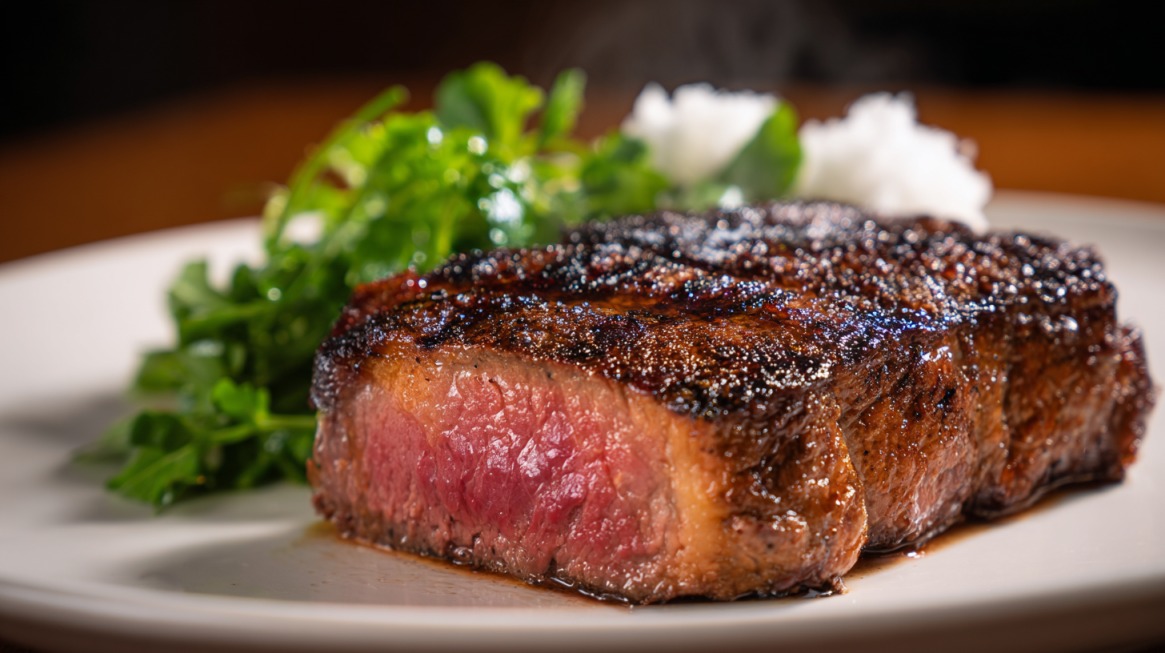
Macronutrient Breakdown for Top Sirloin, 8 Ounces
Protein content reaches about 50 grams, supporting muscle repair, strength gains, and satiety after meals.
Fat content averages 13 grams, with roughly 45 percent saturated fat and the remainder largely monounsaturated fat that supports heart health when intake stays controlled.
Carbohydrate content remains at zero grams unless sauces or marinades are added. Calorie increases usually come not from the steak itself but added ingredients.
- BBQ sauce adding about 11 grams of sugar per two tablespoons
- Sauce additions contributing close to 58 extra calories per serving
Comparison with tenderloin shows higher protein at 70 grams but also higher fat at 17 grams, leaving top sirloin as a leaner option with only a modest protein difference.
@cattlemanssteakhousepgn 8oz Ribeyes ready to serve😋 #steak #steaknight #steakhouse #steaktiktok #fyp #viral #trending #asmr #sizzle ♬ original sound – Cattlemans Steakhouse (PGN)
Micronutrient Profile
| Nutrient | Top Sirloin | Tenderloin | Generic |
|---|---|---|---|
| Iron | High (exact not listed) | 7 mg (86% DV) | 4.31 mg (24% DV) |
| Vitamin B12 | High | 9 μg (392% DV) | Not listed |
| Potassium | Moderate | 789 mg | 692 mg |
| Zinc & Selenium | Moderate | 8 mg Zn, 57 μg Se | Not listed |
Steak supplies several important vitamins and minerals even in moderate portions, supporting both performance and long term health.
Iron plays a role in oxygen transport and energy levels, while zinc and selenium contribute to immune and thyroid function.
- Support for red blood cell production
- Maintenance of nervous system function
- Assistance with energy metabolism
Regular intake of B12 through animal protein helps prevent deficiency, especially in physically active individuals.
Grass Fed vs Grain Fed Steak
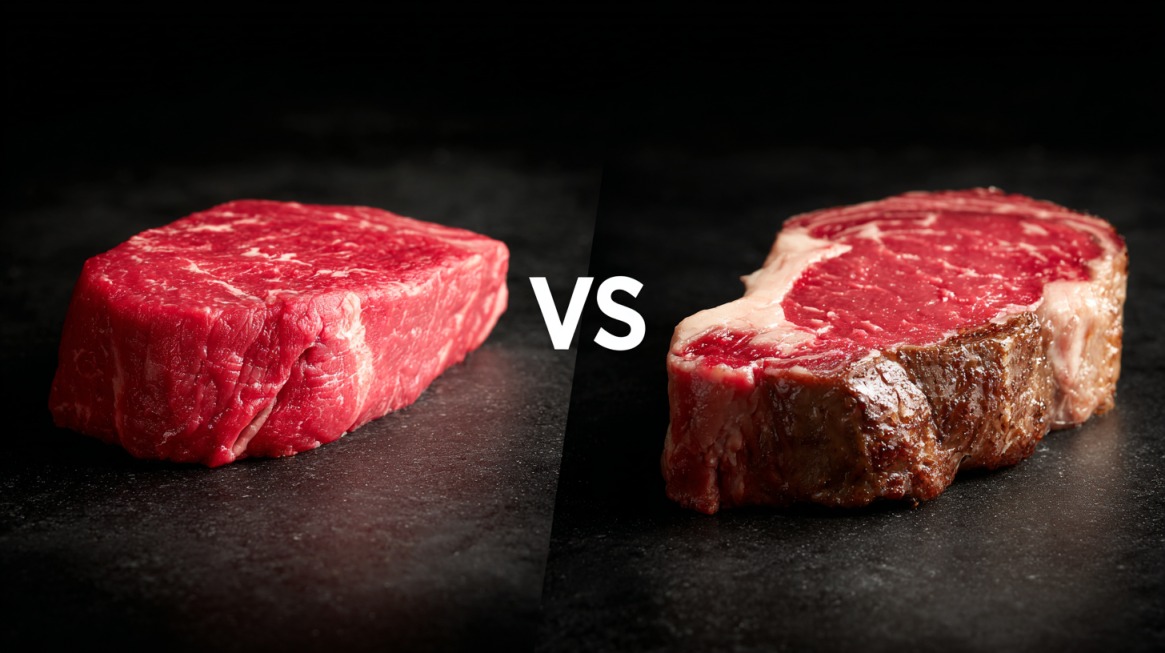
Grass fed steak, such as a grass fed strip steak, typically contains fewer calories and less total fat at about 265 calories and 6.1 grams of fat per 8 ounces.
- Higher omega 3 fatty acid content
- Increased antioxidant vitamins such as E, A, and C
- Absence of added hormones and antibiotics
Grain fed beef usually carries higher fat content and increased calories, along with lower micronutrient density overall. Label checks for grass-fed and grass-finished help avoid grain finishing practices that raise fat levels late in production.
Choosing Leaner Cuts
USDA guidelines define lean beef as less than 10 grams of total fat and under 4.5 grams of saturated fat per 3.5 ounces. Extra lean beef falls below 5 grams of total fat and under 2 grams of saturated fat per 3.5 ounces.
- Top sirloin
- Eye of round
- Bottom round steak
Top sirloin qualifies as lean even at an 8 ounce portion, making it suitable for many eating plans focused on protein intake without excessive calories.
Cooking Tips to Preserve Nutrition

- Cooking methods without added oils or butter help control calorie intake while preserving protein quality.
- Visible fat trimming before or after cooking reduces saturated fat exposure without sacrificing taste.
- Heat based methods that work well include grilling, broiling, and pan searing without heavy sauces.
- Portion control becomes easier when limiting extras that raise calorie density, especially sauces that add over 50 calories and double digit sugar amounts per serving.
Healthy Portioning and Alternatives
Restaurant servings often reach 8 ounces, while a 4 to 6 ounce portion fits calorie control goals better for many people.
- Vegetables that add fiber, volume, and vitamins
- Whole grains that supply steady energy through complex carbohydrates
Protein rotation across chicken, turkey, fish, legumes, and tofu helps manage saturated fat intake while maintaining adequate protein levels.
Final Thoughts
Steak offers strong nutritional value when smart choices guide selection and preparation.
Focus areas include lean cuts like top sirloin, grass fed sources, and simple cooking techniques that avoid excess calories.
Occasional steak intake paired with nutrient dense sides supports a balanced diet that aligns with both health and performance goals.

Hi there, my name is Kelly Barlow and kellytoeat.com is my blog. Here, I write about various recipes I want to reccommend to readers.
I try to find the best possible recipes that can attract the attention of readers, and at the same time, I strive to write it in the most engaging manner possible.
When I was younger, I wanted to become a chef. Sadly, it wasn’t meant to be, but at the very least, I write about it.