
Mold on food often signals spoilage, yet cheese breaks that rule in many cases.
Certain varieties depend on mold as part of their production and remain safe to eat. In fact, mold plays an active role in shaping flavor, texture, and aroma in many well-known cheeses.
The key point lies in telling the difference between beneficial mold and harmful contamination.
Not all mold carries the same risks, and recognizing those differences helps prevent unnecessary waste while protecting health.
Let’s talk about whether we can eat moldy cheese or not.
When Mold Appears on Cheese Unexpectedly
Unexpected mold growth often points to problems in storage or handling.
Cheese can remain stable for long periods under proper conditions, but small changes in the environment can quickly create favorable conditions for mold.
Temperature shifts, excess humidity, or exposure to air all increase the chance of contamination.
- Improper storage, such as leaving cheese uncovered or loosely wrapped
- Cross-contamination through contact with moldy foods or unclean surfaces
- Extended storage time past recommended limits
- Frequent handling without clean utensils or hands
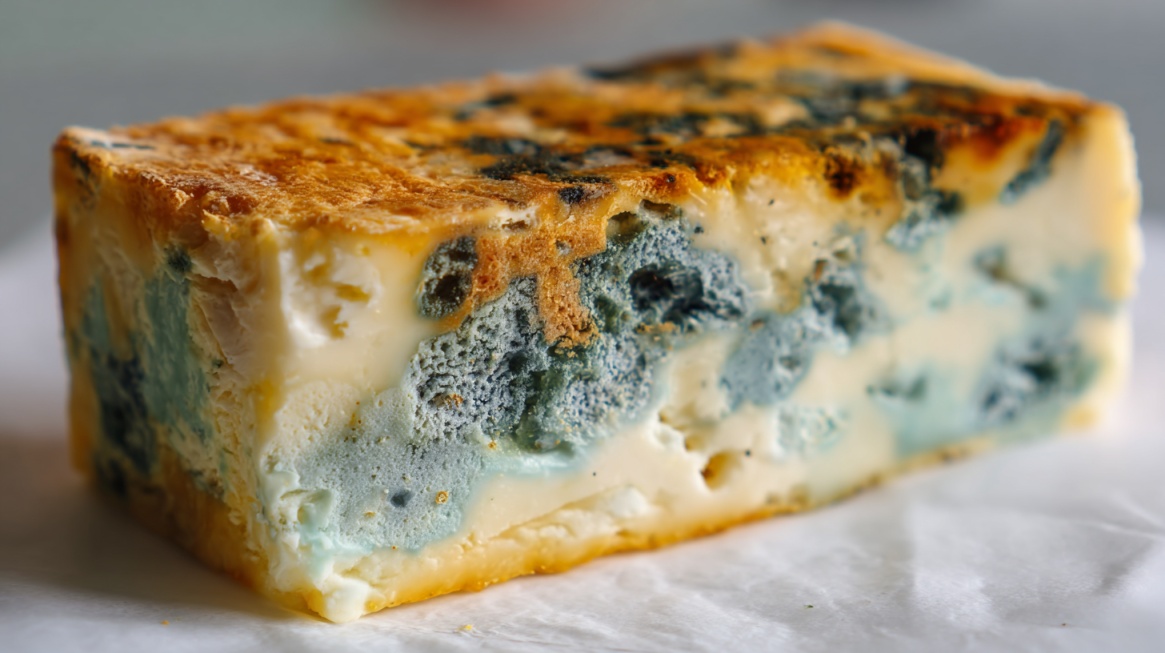
Airborne spores exist in most environments, and once they land on cheese, they can begin to grow if conditions allow. Refrigeration slows this process but does not stop it completely.
Warning signs help identify when cheese is no longer safe to eat. Visual mold is only one indicator, and other changes often reveal deeper spoilage.
Texture and smell often provide earlier clues than visible mold. Changes in these qualities suggest that microorganisms have already spread through parts of the cheese.
Small visible spots may not show the full extent of contamination. Mold can form root-like structures that penetrate below the surface, especially in softer cheeses. Even when a spot appears isolated, internal spread may already be significant.
- Hard cheeses tend to confine mold closer to the surface
- Semi-soft cheeses allow a moderate spread beneath the outer layer
- Soft cheeses permit rapid and often invisible penetration throughout the product
Repeated mold growth after trimming or cleaning signals a larger issue. In such cases, contamination is likely widespread, and discarding the cheese becomes the safer choice.
Safe Moldy Cheeses (Intentionally Mold-Ripened)
Certain cheeses rely on mold as part of their identity. In these products, mold is introduced in a controlled way and contributes to both safety and quality.
Blue Cheeses
Blue cheeses develop their signature appearance through internal mold growth. Examples include Roquefort, Stilton, and Gorgonzola.
- Blue or green veins created by Penicillium roqueforti
- Strong, sharp flavors that develop as mold breaks down fats
- Distinct aroma linked to controlled aging conditions
Production involves strict monitoring to ensure that only safe mold strains are used.
Soft-Ripened Cheeses
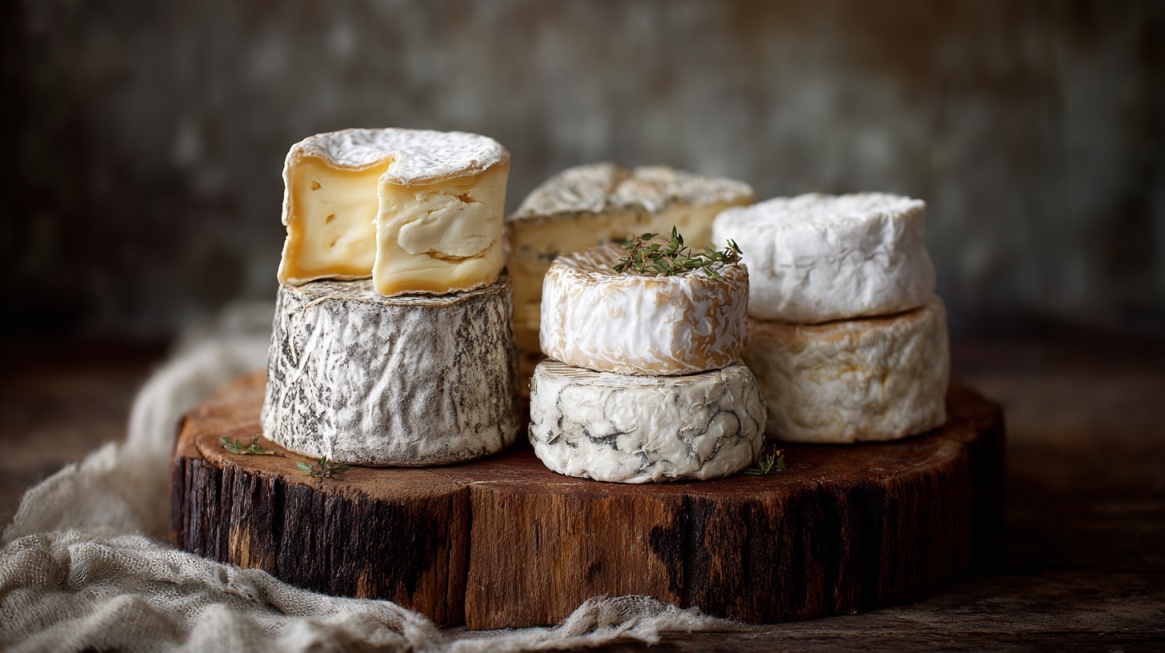
Soft-ripened cheeses form a white outer rind that signals proper aging. Brie and Camembert are common examples.
- White, bloomy rind made with Penicillium camemberti
- Breakdown of fats and proteins that creates a soft, creamy interior
- Edible rind that contributes to flavor and texture
Careful control during production ensures that the mold remains beneficial rather than harmful.
Hard and Semi-Hard Cheeses are Sometimes Salvageable
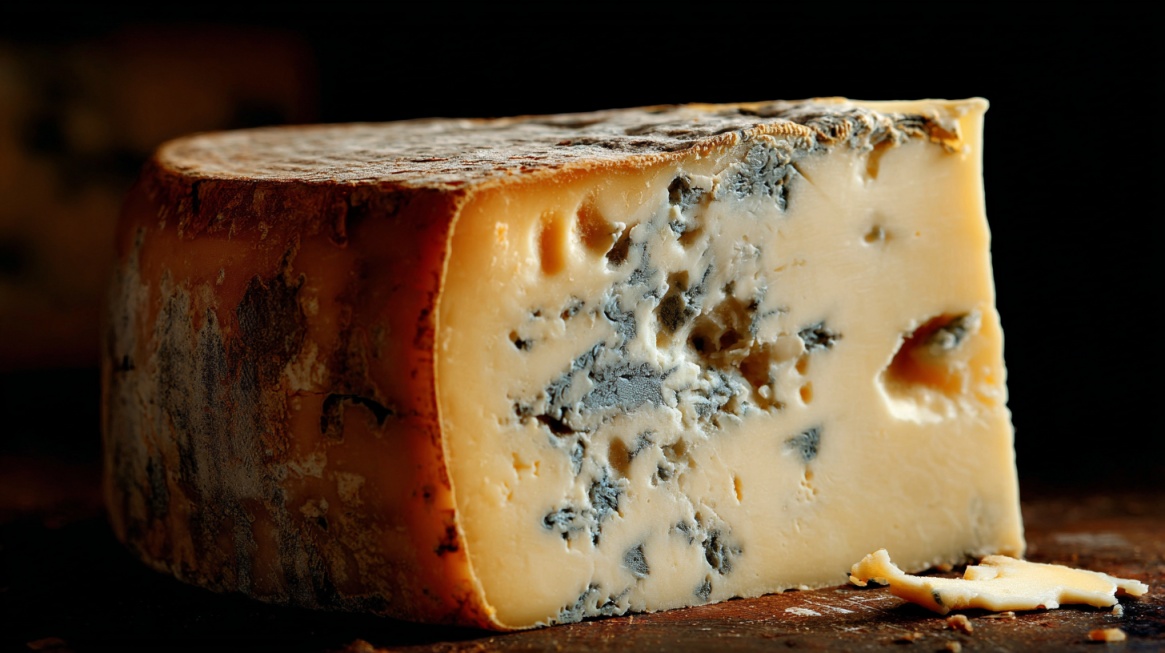
Not all mold growth requires discarding cheese. Hard and semi-hard varieties can often be saved if handled correctly. Cheddar, Parmesan, Swiss, and Gouda fall into this category.
Dense structure and lower moisture slow mold growth, limiting how far it can spread. In many cases, contamination stays near the surface instead of penetrating deeply.
Safe Handling Guidelines
Proper trimming can remove contaminated areas while preserving the rest of the cheese.
- Cut away at least 1 inch or 2.5 cm around and below the mold spot
- Keep the knife away from the mold to avoid spreading spores
- Rewrap cheese in clean material after trimming
Firm structure limits mold movement in a way similar to solid vegetables like carrots. Repeated mold growth suggests deeper spoilage and should not be ignored, even in harder cheeses.
Soft Cheeses Are Unsafe When Moldy
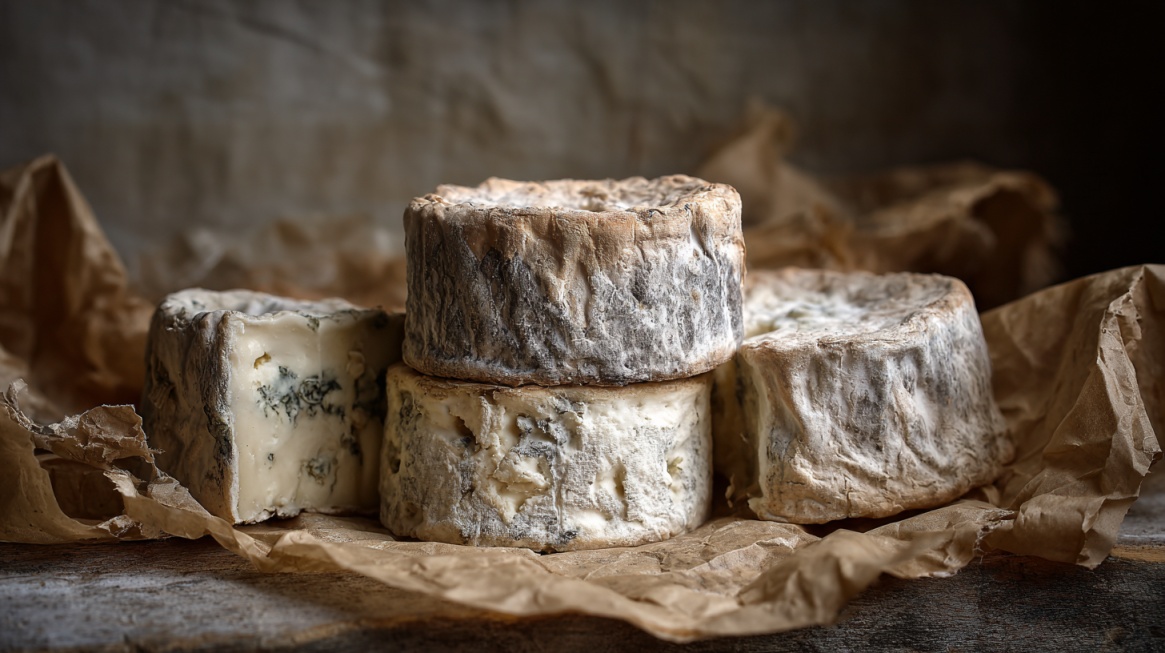
Soft cheeses present a higher risk once mold appears. High moisture content allows rapid and often invisible spread throughout the product.
- Cottage cheese
- Cream cheese
- Ricotta
- Fresh mozzarella
- Pre-sliced, shredded, or crumbled cheeses
Why They’re Risky
Moisture and soft texture allow mold to move freely, often carrying harmful bacteria along with it. Contamination rarely stays confined to one area.
- Rapid spread that cannot be seen on the surface
- Deep penetration throughout the product
- Increased chance of harmful bacterial presence
Discard the entire product if any mold appears. Cutting away affected areas does not remove hidden contamination and can lead to foodborne illness.
Why Cheese Differs from Meat and Other Foods
Cheese behaves differently from many other foods when mold develops, and that difference comes down to structure, moisture, and how microorganisms spread. Physical composition determines how deeply mold and bacteria can move, which directly affects safety.
Harder cheeses slow the movement of mold and toxins due to their compact structure. Tight protein networks create a barrier that limits how far contamination can travel.
In contrast, meat and softer foods contain more water and a more open structure, which allows microorganisms to move freely.
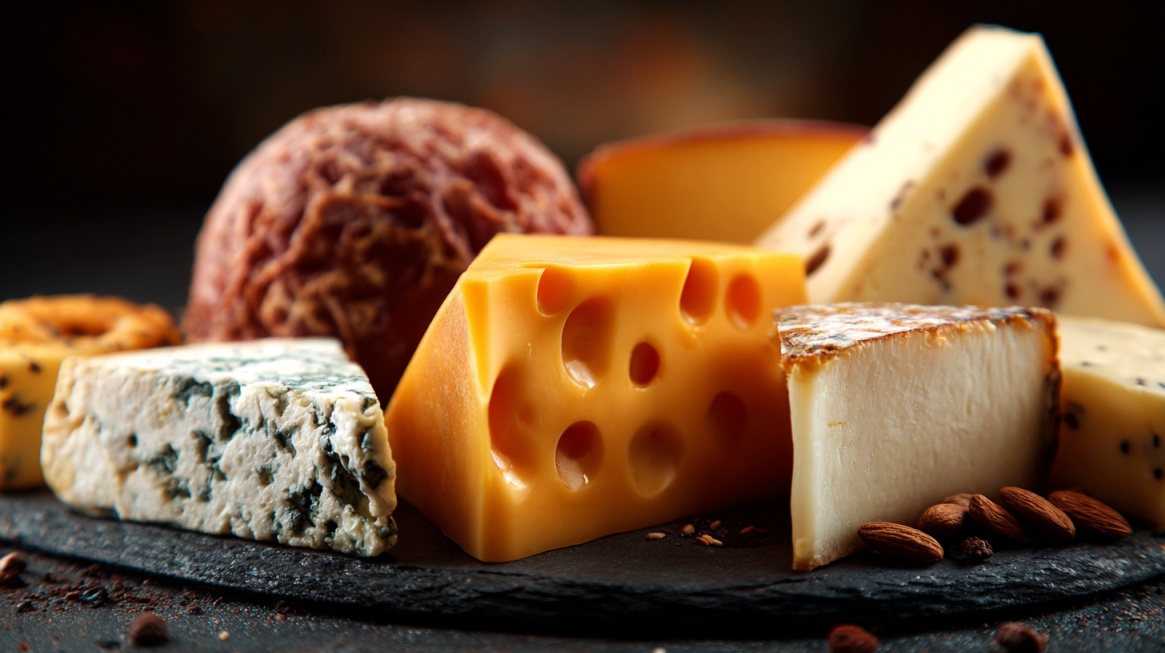
- Dense texture in cheese limits mold penetration and keeps growth closer to the surface
- Lower moisture levels in hard cheeses reduce the speed of microbial activity
- High water content in meat supports rapid bacterial growth and toxin production
- Porous structure in soft foods allows contamination to spread quickly and evenly
Moisture plays a critical role in food safety. Water acts as a medium that helps bacteria and mold expand.
Meat contains significant amounts of water, which creates ideal conditions for harmful microorganisms. Once mold appears on meat, bacteria are often already present and spreading at the same time.
Another important factor involves how toxins behave.
Mold can produce substances known as mycotoxins, and these compounds can move through soft or moist foods much faster than through dense ones. In cheese with a firm structure, the movement of these toxins tends to remain limited.
In meat or soft products, toxins can spread widely even if mold is only visible in one area.
Summary
Mold on cheese is not automatically dangerous and depends on context. Safety depends on the type of cheese, type of mold, and extent of contamination.
Careful evaluation helps determine the right action. When in doubt, caution remains the safest choice.

Hi there, my name is Kelly Barlow and kellytoeat.com is my blog. Here, I write about various recipes I want to reccommend to readers.
I try to find the best possible recipes that can attract the attention of readers, and at the same time, I strive to write it in the most engaging manner possible.
When I was younger, I wanted to become a chef. Sadly, it wasn’t meant to be, but at the very least, I write about it.