
Yes, you can eat undercooked eggs in the sense that many people do. Whether you should depends on the situation.
For healthy adults, a lightly cooked egg with a runny yolk is usually a small but real risk, not a guaranteed problem.
For pregnant women, adults over 65, young children, and people with weakened immune systems, the safer move is to avoid undercooked eggs entirely unless the eggs are pasteurized. Federal food safety guidance is clear on that point.
That difference matters because “risky” and “likely to harm you every time” are not the same thing. A runny fried egg can be low risk for one person and a poor choice for another.
Why Undercooked Eggs Can Be a Problem
The main concern is Salmonella, a group of bacteria that can cause foodborne illness. The FDA says even fresh eggs with clean, uncracked shells may contain Salmonella. CDC also lists raw or undercooked eggs among foods more likely to carry harmful germs.
Illness can range from miserable to medically serious. The FDA says many infected people develop diarrhea, fever, abdominal cramps, and vomiting, often starting 12 to 72 hours after exposure.
Symptoms commonly last 4 to 7 days, but some cases become severe enough to require hospitalization, especially in higher-risk groups.
One reason people get casual about eggs is that they feel ordinary. Raw oysters already carry a “risky” reputation. Rare steak starts debates. Raw egg in aioli or homemade mayo often slips by without the same caution, partly because the ingredient disappears into the recipe.
Food safety agencies do not make that distinction. Raw or lightly cooked egg in sauce, mousse, batter, tiramisu, hollandaise, homemade eggnog, or dressing still counts as raw or undercooked egg exposure.
What “Undercooked” Actually Means
A lot of confusion comes from vague language. “Undercooked” does not only mean drinking raw egg whites from a glass.
- Fried eggs with loose whites or a very runny yolk
- Soft-boiled eggs
- Jammy eggs
- Poached eggs with unset yolk
- Scrambled eggs that stay very wet
- Homemade sauces or desserts made with raw egg
- Batter or dough containing raw egg
FDA says eggs should be cooked until both yolk and white are firm, and USDA says egg dishes should reach 160°F, or 71.1°C.
That means a custardy scramble or a glossy soft-boiled egg may land outside the safest zone, even if it looks finished and tastes great.
When the Risk Is Higher Than Most People Realize
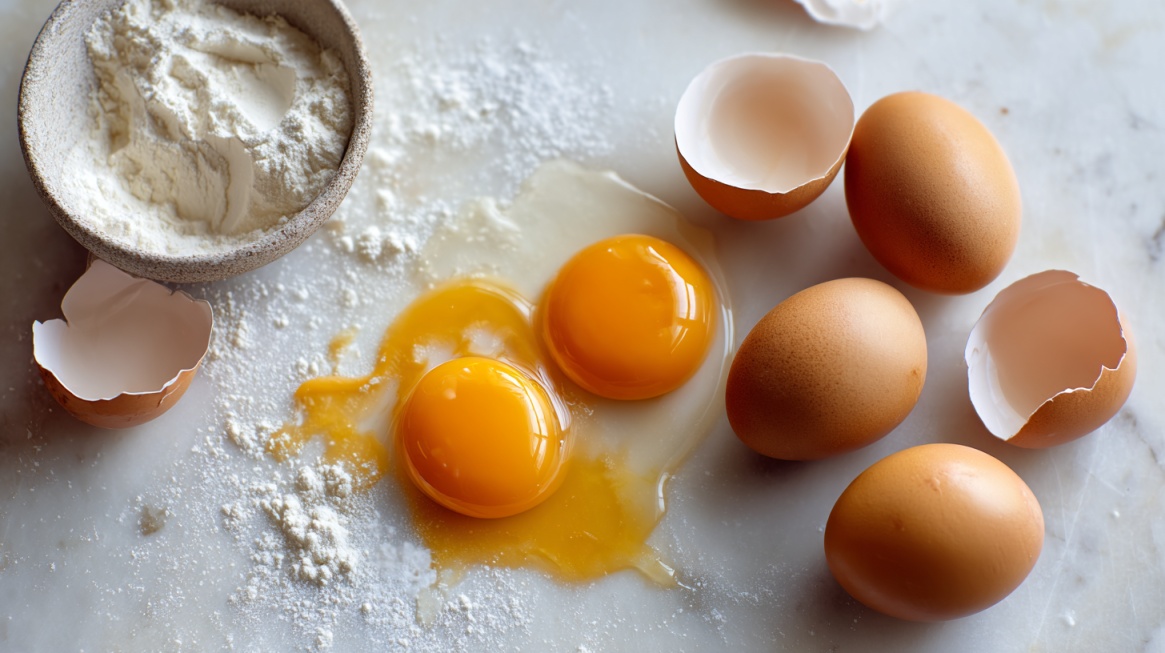
A lot of people assume the danger only shows up with obviously raw eggs, but risk climbs much faster in certain situations, especially for vulnerable groups, no-cook recipes, and poorly handled food.
If You Are in a Higher-Risk Group
Some people should be much more cautious. CDC and FDA identify pregnant women, children under 5, adults 65 and older, and people with weakened immune systems as more likely to become seriously ill from foodborne germs.
The FDA specifically advises higher-risk people to avoid raw or undercooked eggs and foods made with them.
That includes cases where the egg is only one part of the recipe. A pregnant person may think, “It’s only a little homemade Caesar dressing.” Food safety guidance still treats that as exposure.
If the Eggs Are Part of a No-Cook Recipe
No-cook recipes remove the final safety step. Tiramisu, mousse, homemade mayonnaise, fresh aioli, hollandaise held at room temperature, homemade ice cream base, cookie dough, eggnog, and some dressings can all keep bacteria alive if regular shell eggs are used.
FoodSafety advises using pasteurized eggs or egg products in recipes that call for raw or undercooked eggs.
If Handling and Storage Were Sloppy
Even a fully cooked egg can be part of a bigger kitchen problem if raw egg drips onto ready-to-eat food or cooked dishes sit out too long. FDA advises keeping eggs refrigerated at 40°F, or 4.4°C, or below, storing them in the original carton, and not leaving cooked eggs or egg dishes out longer than 2 hours, or 1 hour when temperatures are above 90°F.
CDC also warns that raw eggs can spread germs to hands, utensils, surfaces, and other foods.
A runny yolk is only one part of the safety picture. Cross-contamination and bad storage can turn a small risk into a much larger one.
When the Risk Is Lower
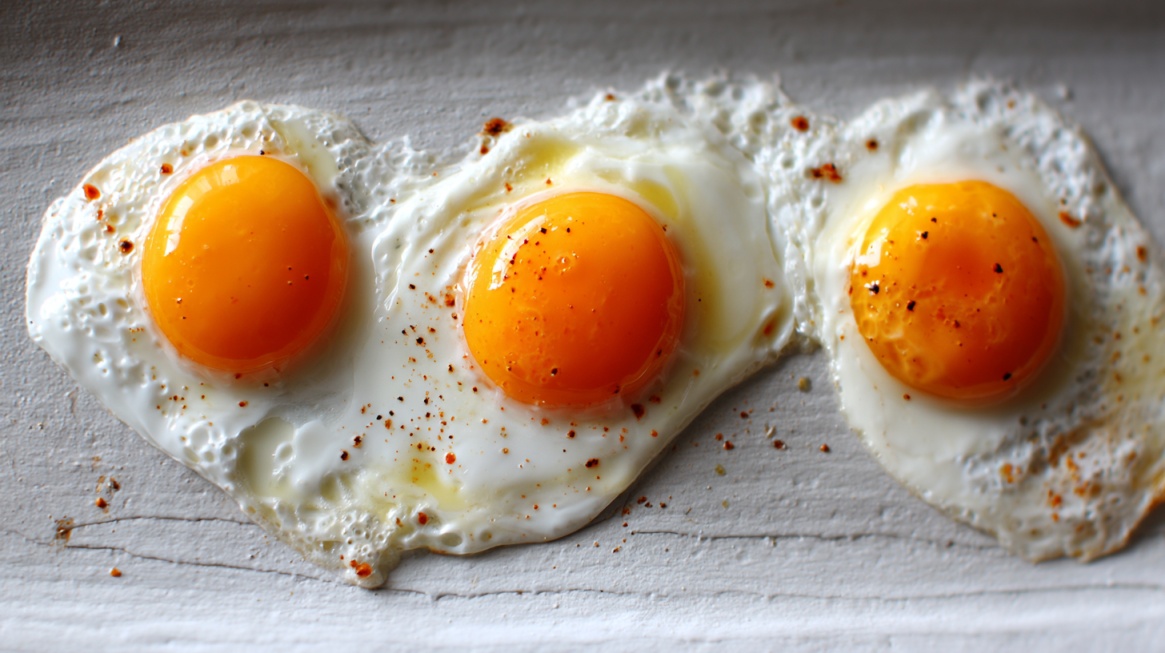
“Lower” does not mean zero. It means the odds are better controlled.
Pasteurized Eggs Change the Calculation
Pasteurized shell eggs and pasteurized egg products are the big exception that many people overlook.
- FDA says eggs treated to destroy Salmonella, such as in-shell pasteurized eggs, are usually labeled as treated.
- USDA guidance also says in-shell pasteurized eggs and pasteurized egg substitutes may be used safely without cooking.
- FoodSafety and FDA both recommend pasteurized eggs for recipes served raw or lightly cooked.
For practical home cooking, that means a homemade Caesar dressing made with pasteurized eggs is a very different decision from the same recipe made with standard shell eggs from the fridge.
Healthy Adults Taking a Small, Known Risk
A healthy adult eating a soft-boiled egg from a reputable source is not in the same category as a pregnant person eating homemade tiramisu made with regular raw eggs left out at a party. Risk exists on a spectrum.
Federal guidance still recommends full cooking for safety, but in real life many healthy adults accept a small risk for texture and flavor.
That is why dishes with runny yolks remain common in restaurants and home kitchens. Taste preferences often win, especially when the eater is not in a higher-risk group. From a food safety standpoint, though, that choice remains a tradeoff, not a free pass.
Common Egg Situations
| Egg Situation | Risk Level | Safer Move |
| Fully cooked scrambled eggs, firm | Low | Serve promptly, refrigerate leftovers |
| Fried egg with runny yolk | Moderate | Cook until yolk and white are firm |
| Soft-boiled or jammy egg | Moderate | Use pasteurized eggs if possible |
| Homemade mayo with regular raw eggs | Higher | Use pasteurized eggs or store-bought mayo |
| Tiramisu with raw egg | Higher | Use pasteurized eggs |
| Raw cookie dough with egg | Higher | Avoid, especially for children and pregnant women |
| Hollandaise kept warm for brunch | Moderate to higher | Use pasteurized eggs and control holding temperature |
| Pasteurized eggs in lightly cooked sauce | Lower | Keep chilled if not served immediately |
What About Restaurant Eggs With Runny Yolks?
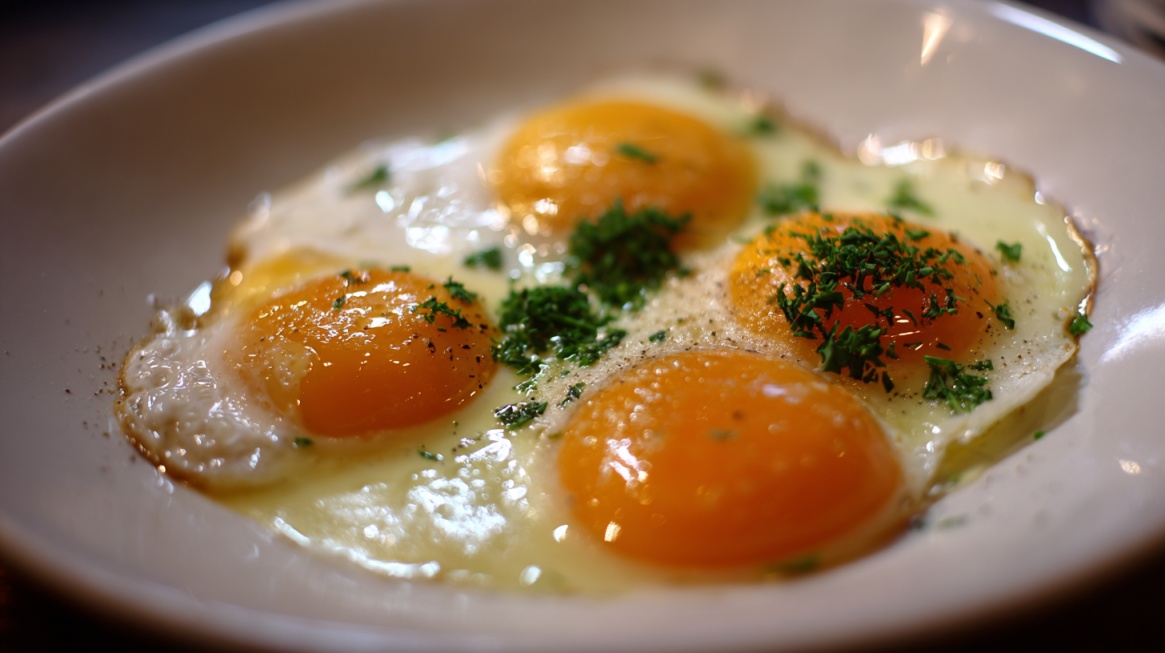
Restaurant brunch culture has normalized sunny-side-up eggs, soft poached eggs, ramen eggs, and eggs Benedict. Plenty of kitchens serve them every day. That does not remove the underlying risk. It means the customer is often making a sensory choice over a stricter safety choice.
Higher-risk diners should be especially careful ordering dishes with runny eggs or egg-based sauces. FoodSafety specifically lists eggs Benedict and freshly made hollandaise among foods pregnant women should avoid unless made with pasteurized eggs.
A useful rule for restaurant dining is simple: if the egg looks glossy, loose, or barely set, ask whether pasteurized eggs are used. Many places will not, especially for shell eggs cooked to order. For sauces or large-batch preparations, the answer may be different.
A Point Many People Miss: Clean Shells Do Not Guarantee Safety
Consumers often judge eggs visually. If the shell looks intact and the carton came from a clean refrigerated display, many assume the inside must be safe. The FDA says that assumption can be wrong. Eggs can carry Salmonella even when shells are clean and uncracked.
That is part of what makes egg risk tricky. You cannot reliably see, smell, or taste contamination. A raw egg that causes no illness and a raw egg that causes a miserable weekend can look identical.
Are Backyard Eggs Safer?
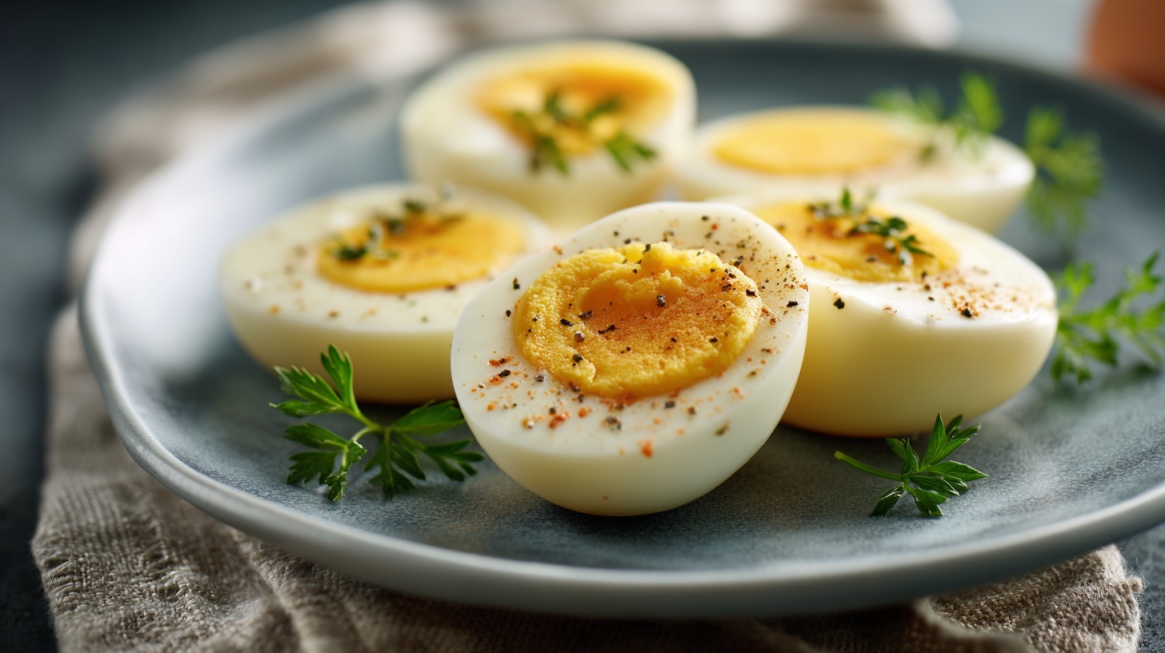
Many people believe farm-fresh or backyard eggs are automatically safer than store eggs. Safety does not work that way.
A short supply chain can help freshness, but Salmonella risk depends on bird health, sanitation, storage, and handling, not rustic charm.
Chickens can carry Salmonella, and eggs can become contaminated before or after laying. FoodSafety notes that chickens and other live poultry can carry Salmonella bacteria, which can spread to eggs.
Freshness and safety overlap only partly. A very fresh egg can still be unsafe if contaminated.
How to Make Lightly Cooked Egg Dishes Safer at Home
For anyone who likes soft yolks or classic raw-egg recipes, risk reduction matters more than wishful thinking.
| Tip | Explanation |
|---|---|
| Buy Smarter | Choose eggs from refrigerated cases, check for cracks, and keep them refrigerated at 40°F or below. Store in the original carton instead of the fridge door. |
| Use Pasteurized Eggs for Certain Recipes | For dishes like Caesar dressing, tiramisu, mousse, mayonnaise, eggnog, or hollandaise, pasteurized eggs are a safer option when eggs are raw or lightly cooked. |
| Keep Kitchen Hygiene Tight | Wash hands and all utensils after contact with raw eggs, and avoid cross-contamination with ready-to-eat foods. |
| Do Not Leave Egg Dishes Sitting Out | Cooked eggs or egg dishes should not be left out for more than 2 hours, or 1 hour if temperatures exceed 90°F. |
What If You Already Ate Undercooked Eggs?

In many cases, nothing happens. A runny yolk does not automatically lead to illness. Still, symptoms of foodborne illness can show up later.
Anyone in a higher-risk group, or anyone who develops severe symptoms, bloody diarrhea, dehydration, high fever, or symptoms that do not ease up, should contact a medical professional promptly. FDA advises people who suspect foodborne illness to call a physician or healthcare provider.
Having eggs for breakfast can be a very healthy way to start your day, but you should always make sure they are cooked properly!
So, Can You Eat Undercooked Eggs?
Yes, people can and do. The better question is whether the risk makes sense for you.
For a healthy adult, a soft yolk may be a conscious gamble with relatively low odds of trouble, especially if the eggs were handled well. For pregnant women, small children, older adults, and immunocompromised people, regular undercooked eggs are a poor bet.
For no-cook recipes, pasteurized eggs are the smartest workaround. For anyone who wants the safest answer, cook eggs until yolks and whites are firm and cook egg dishes to 160°F.
That is the cleanest way to think about it: undercooked eggs are not automatically disastrous, but safety depends on who is eating them, how the eggs were handled, and whether pasteurization changes the risk.
@shaunsonexplains Why you probably shouldn’t eat raw eggs #eggs ♬ original sound – Shaunson Explains

Hi there, my name is Kelly Barlow and kellytoeat.com is my blog. Here, I write about various recipes I want to reccommend to readers.
I try to find the best possible recipes that can attract the attention of readers, and at the same time, I strive to write it in the most engaging manner possible.
When I was younger, I wanted to become a chef. Sadly, it wasn’t meant to be, but at the very least, I write about it.