
When stored properly in the refrigerator at or below 4°C, cooked pasta is generally safe for 3 to 5 days. This applies to plain pasta without sauce, as well as pasta mixed with simple sauces, assuming it was cooled and stored correctly.
That window is not flexible. Day five is not a suggestion. After that point, the risk of bacterial growth increases rapidly, even if the pasta still looks fine.
Why Cooked Pasta Spoils Faster Than People Expect
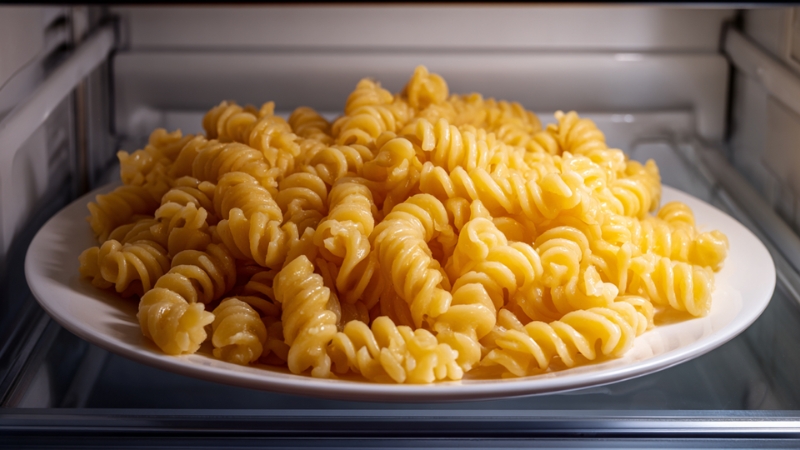
Once pasta is cooked, it absorbs water and loses its dry, shelf-stable nature. Moisture, carbohydrates, and neutral pH create ideal conditions for bacteria and mold. Unlike fermented foods, pasta has no built-in protection against spoilage.
Another overlooked factor is Bacillus cereus, a bacterium commonly associated with cooked starches like pasta and rice. It can produce toxins that are not destroyed by reheating. This is why pasta left out too long or stored improperly is particularly risky.
Plain Pasta vs Pasta With Sauce
Not all cooked pasta behaves the same in the fridge. What you mix with it matters.
| Type of Pasta | Fridge Life (Proper Storage) |
| Plain cooked pasta | 3–5 days |
| Pasta with oil or vegetables | 3–4 days |
| Pasta with tomato-based sauce | 3–4 days |
| Pasta with cream or cheese sauce | 2–3 days |
| Pasta with meat or seafood | 2–3 days |
Cream, cheese, meat, and seafood shorten shelf life because they introduce additional proteins and fats that spoil faster than starch alone.
Storage Makes or Breaks Safety
How pasta is cooled and stored matters as much as how long it sits.
Cooked pasta should be cooled within two hours of cooking and placed in an airtight container. Leaving it uncovered or loosely wrapped allows moisture loss, odor absorption, and bacterial exposure.
Large containers of hot pasta should not go straight into the fridge. Dividing leftovers into smaller portions helps them cool faster and reduces bacterial growth during the cooling phase.
Signs Cooked Pasta Has Gone Bad
Spoiled pasta often gives subtle signals before obvious mold appears. Smell, texture, and appearance all matter.
Pasta should be thrown away if it smells sour, musty, or slightly alcoholic. Freshly cooked pasta has very little smell. Any off odor is a warning sign.
Texture changes are common. Slimy or sticky pasta indicates bacterial activity. Pasta that feels tacky even after reheating is unsafe.
Visual signs include gray discoloration, dark spots, or fuzzy mold. Any mold means the entire container should be discarded, not just the visible portion.
Why Reheating Does Not Always Make Pasta Safe
View this post on Instagram
Reheating pasta kills some bacteria but does not destroy toxins already produced by certain bacteria. This is especially true for starch-related food poisoning.
If pasta is left at room temperature for too long, stored beyond five days, or shows spoilage signs, reheating does not make it safe. Hot pasta can still cause food poisoning.
How Long Cooked Pasta Can Sit Out
Cooked pasta should not sit at room temperature for more than two hours, or one hour if the room is warm. Pasta left out overnight is unsafe, even if covered.
This applies whether the pasta is plain or mixed with sauce.
When Cooked Pasta Should Always Be Thrown Away
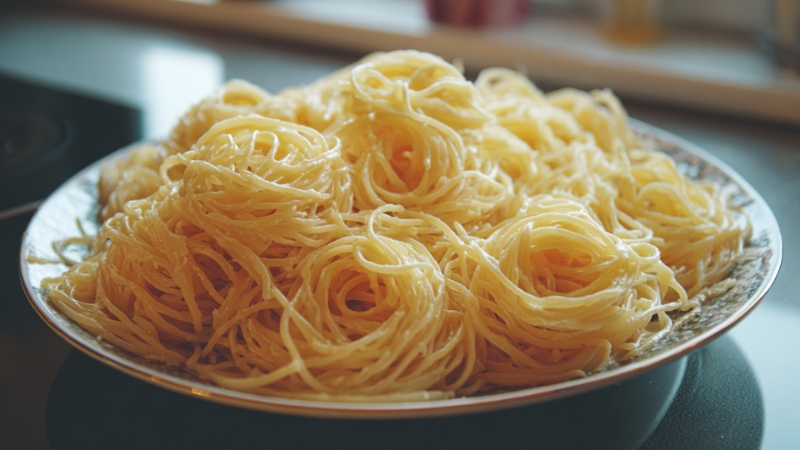
Cooked pasta should be discarded immediately if it:
- has been in the fridge longer than five days
- smells sour or unpleasant
- feels slimy or sticky
- shows mold or unusual discoloration
- was left out at room temperature for more than two hours
Any one of these conditions is enough on its own.

Hi there, my name is Kelly Barlow and kellytoeat.com is my blog. Here, I write about various recipes I want to reccommend to readers.
I try to find the best possible recipes that can attract the attention of readers, and at the same time, I strive to write it in the most engaging manner possible.
When I was younger, I wanted to become a chef. Sadly, it wasn’t meant to be, but at the very least, I write about it.