
Reheating steak can be frustrating because the heat that warms the center can also keep cooking the outside.
Main concern is simple: too much heat dries the meat and pushes it past its original doneness. The goal is to warm it gently while keeping as much juice, tenderness, and crust as possible.
Careful testing has shown that the best reheating method keeps the steak juicy, flavorful, and close to its original texture while also helping the crust stay intact or come back at the end.
Let’s talk about it.
Best Overall Method – Oven First, Quick Sear Second
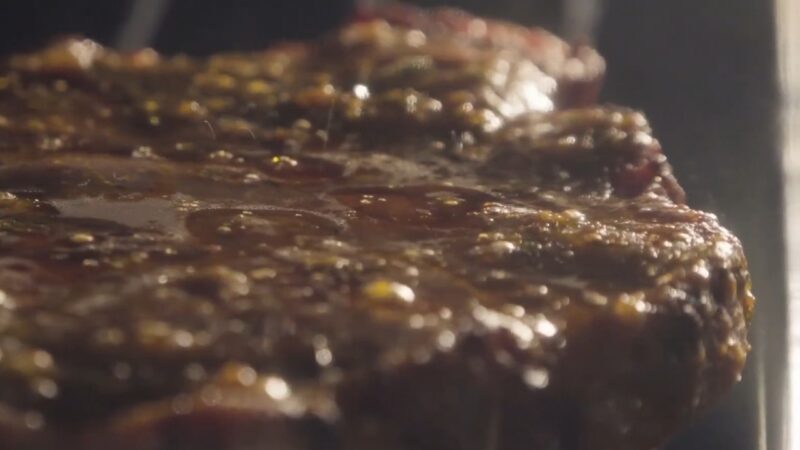
Oven reheating followed by a fast skillet sear is the most dependable all-around method for leftover steak. Slow oven heat warms the meat gradually and reduces the chance of overcooking the exterior. A final sear then helps bring back the browned crust that often softens in the refrigerator.
That two-step approach gives a strong balance of even reheating, moisture retention, and better texture on the outside.
Setup plays a big role here. Preheat the oven to 250°F. Put the steak on a wire rack set over a baking sheet so hot air can circulate around the entire piece of meat.
Elevating the steak helps it warm more evenly than placing it flat on a pan, where one side can heat faster than the other.
- Oven temperature: 250°F
- Internal target before searing: about 110°F
- Approximate oven time: 10 to 20 minutes for some steaks, 20 to 30 minutes for others
- Good first temperature check: around the 15-minute mark
- Finishing sear: about 30 to 60 seconds per side
- Rest after reheating: about 5 minutes
Timing depends mostly on thickness. Thin steaks warm faster, while thicker cuts need more time for the center to heat through. Starting temperature also matters.
A steak that sat out for 20 to 30 minutes before reheating may warm a little faster than one that went into the oven still very cold. Checking early keeps the process under control and lowers the chance of overshooting the target temperature.
Once the steak reaches about 110°F inside, transfer it to a very hot skillet for a quick sear. Short contact with high heat is enough to rebuild some crust without pushing the center too far.
About 30 to 60 seconds per side is usually enough. After that, let the steak rest for about 5 minutes before serving. Thick steaks respond especially well to this method, and the final texture is often closer to a freshly cooked steak than with faster reheating options.
Faster Option – Air Fryer
Air fryer reheating is a practical choice when speed matters and the steak is not especially thick. Circulating hot air can warm the meat fairly quickly and keep some surface texture intact, but the process moves fast enough that close attention is important. A little too much time can push the steak past its original doneness.
Start by preheating the air fryer to about 350°F. Place the steak in a single layer and leave room around it so air can circulate properly. Crowding the basket makes heating less even and can leave one area hotter than another.
A light brushing of oil or a small pat of butter can help protect the surface and reduce dryness during reheating.
- Preheat the air fryer to about 350°F.
- Many steaks reheat in about 3 to 5 minutes.
- One useful approach is 3 to 4 minutes on the first side.
- Flip, then heat another 2 to 3 minutes as needed.
Thin steaks are usually the best fit for this method because they warm quickly and do not need as much time for the center to catch up. Thick cuts can still work, but careful monitoring becomes even more important. Checking early is the safest approach.
A thermometer helps here, too, especially if you are trying to avoid even slight carryover cooking. Exterior texture can stay fairly satisfying in an air fryer, though results are usually less controlled than the oven-and-sear method.
Quickest Backup – Microwave
@leftovermfqueen How to reheat Steak in the f’n MICROWAVE!!! 😎🤘🏻❤️🎶💯🥩🥩🥩 #steak #medium #rare #red #meat #beef #dinner #leftovers #seer #microwave #easyrecipe #leftoverqueen ♬ original sound – Leftover Queen
Microwave reheating is often treated as a last choice, but careful handling can make it far better than many people expect. The main goal is not to blast the steak until it is hot. The main goal is to warm it gently in short steps so the meat does not toughen and dry out.
Lower power is one of the most important adjustments. Set the microwave to about 50% power instead of using full power. Put the steak on a microwave-safe plate and add a little moisture, such as broth, butter, or reserved steak juices.
Covering the steak with a damp paper towel or a microwave-safe lid helps trap steam and slow moisture loss.
Short heating intervals give you more control and lower the chance of creating hot spots that overcook part of the steak while another section stays cool.
A similar low-power, short-interval approach is often used when people look up how to reheat pizza in a microwave, since it helps avoid rubbery texture and uneven heat.
Flipping between rounds helps the center warm more evenly. Some microwave approaches suggest slicing the steak into thinner pieces first to make reheating faster. That can work when speed is the main priority, but it is still a tradeoff because extra cut surfaces allow more moisture to escape.
Whole steak usually stays juicier, so sliced pieces make the most sense only as a method-specific compromise. Final texture will not match the best oven results, yet a carefully microwaved steak can still stay tender enough to enjoy.
What to Do Before Reheating
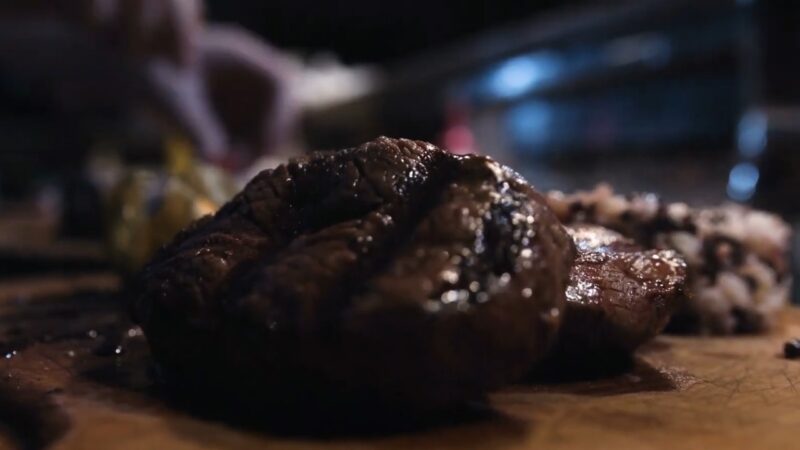
Good results start long before the steak goes back over the heat. Storage, timing, and handling all affect how much moisture the meat keeps and how evenly it warms later. Leftover steak should be refrigerated within about two hours of cooking so it stays safer to eat and holds its quality better.
An airtight container works well, and tight wrapping can also help limit air exposure that leads to drying and stale flavors.
Any juices left on the plate, cutting board, or pan should be saved instead of discarded because those drippings can help replace moisture lost during reheating and bring back some of the beef flavor that fades in cold storage.
- Refrigerate cooked steak within about 2 hours of cooking.
- Use an airtight container or wrap it tightly.
- Save any drippings or juices for reheating.
- Plan to eat refrigerated cooked steak within 3 to 4 days.
Cold steak taken straight out of the refrigerator often heats unevenly. Outer layers can get too hot before the center has time to warm up, which makes overcooking more likely.
Letting the steak sit out before reheating helps reduce that problem. In most cases, 20 to 30 minutes at room temperature is enough to take the chill off. Thicker steaks can use more time. Cuts over 1 inch thick may benefit from resting out for as long as 45 minutes before reheating begins.
Keeping the steak whole is another important step. Slicing it ahead of time exposes more surface area, which gives moisture more chances to escape. A whole steak usually stays juicier than pre-sliced pieces, especially during reheating methods that use moving air or direct heat.
Microwave reheating can be an exception if speed matters most, but a whole steak is still the better default choice for texture and moisture retention.
Summary
View this post on Instagram
Successful steak reheating comes down to patience, temperature control, and moisture management.
Slow oven reheating at 250°F until the steak reaches about 110°F, followed by a quick sear, is the most reliable method for keeping good texture and flavor.
Faster options like the air fryer and microwave can still produce solid results when lower intensity, short intervals, and careful monitoring are used. With the right method, leftover steak can stay tender, juicy, and much closer to its original quality than most people expect.

Hi there, my name is Kelly Barlow and kellytoeat.com is my blog. Here, I write about various recipes I want to reccommend to readers.
I try to find the best possible recipes that can attract the attention of readers, and at the same time, I strive to write it in the most engaging manner possible.
When I was younger, I wanted to become a chef. Sadly, it wasn’t meant to be, but at the very least, I write about it.