
Iron deficiency can leave people dragging through the day, getting winded too easily, or feeling oddly cold and foggy. Food alone will not fix every case, especially when blood loss, pregnancy, gut disorders, or poor absorption are part of the picture, but the right food pattern can make a real difference.
Health agencies and major medical sources consistently point to a mix of iron-rich foods, vitamin C-rich produce, and better meal timing as the most practical place to start.
How Much Iron Do You Need?
View this post on Instagram
Recommended intake changes with age, sex, pregnancy, and dietary pattern. People who eat fully plant-based diets generally need more iron because nonheme iron is absorbed less efficiently.
NIH says vegetarians who do not eat meat, poultry, or seafood need almost twice as much iron as standard recommended amounts.
| Life Stage | Recommended Iron Intake |
| Infants 7 to 12 months | 11 mg |
| Children 1 to 3 years | 7 mg |
| Children 4 to 8 years | 10 mg |
| Children 9 to 13 years | 8 mg |
| Teen boys 14 to 18 years | 11 mg |
| Teen girls 14 to 18 years | 15 mg |
| Adult men 19 to 50 years | 8 mg |
| Adult women 19 to 50 years | 18 mg |
| Adults 51+ years | 8 mg |
| Pregnant women | 27 mg |
| Breastfeeding women | 9 mg |
Best Iron Deficiency Foods to Keep in Regular Rotation
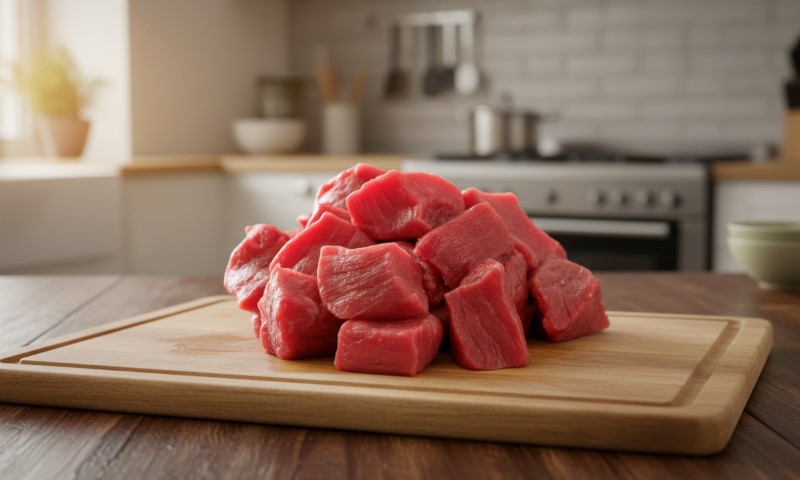
A smart iron-focused kitchen usually includes a mix of animal sources, plant sources, and fortified staples.
Variety matters because iron-rich diets also work better when meals bring along vitamin C and enough overall energy and protein.
WHO recommends a diverse eating pattern that includes iron-rich foods, plus vitamin C-rich fruits and vegetables that help the body absorb iron.
Animal Foods With Well-Absorbed Iron
Lean meats and seafood are among the richest dietary sources of heme iron. NIH lists oysters, beef liver, sardines, beef, tuna, chicken, and turkey among notable sources, while NHLBI also points to salmon and eggs as useful additions.
Good options include:
- Lean beef
- Turkey
- Chicken
- Salmon
- Sardines
- Tuna
- Oysters
- Eggs
- Liver, for people who eat organ meats
Liver is very high in iron, though it is not an everyday food for everyone, either because of taste or personal nutrition goals.
Oysters and lean red meat are often easier starting points for people who want a more familiar meal pattern.
Plant Foods That Pull Their Weight
Plant foods can contribute a meaningful amount of iron, especially when meals are built well.
NIH highlights white beans, lentils, spinach, tofu, kidney beans, chickpeas, peas, cashews, raisins, potatoes, tomatoes, whole wheat bread, enriched rice, and fortified cereals as useful contributors.
NHS also lists pulses, fortified cereals and bread, dried fruit, and dark green leafy vegetables.
Reliable choices include:
- Lentils
- White beans
- Kidney beans
- Chickpeas
- Tofu
- Spinach
- Kale or watercress
- Peas
- Potatoes
- Cashews and pistachios
- Raisins, prunes, and dried apricots
- Iron-fortified cereal
- Iron-fortified bread
Spinach deserves a quick reality check. It contains iron, but iron from spinach is not absorbed especially well because plant compounds can get in the way.
Spinach still belongs in an iron-focused diet, but it works best as one piece of the plan rather than the whole plan.
Best Ingredients to Pair With Iron-Rich Foods
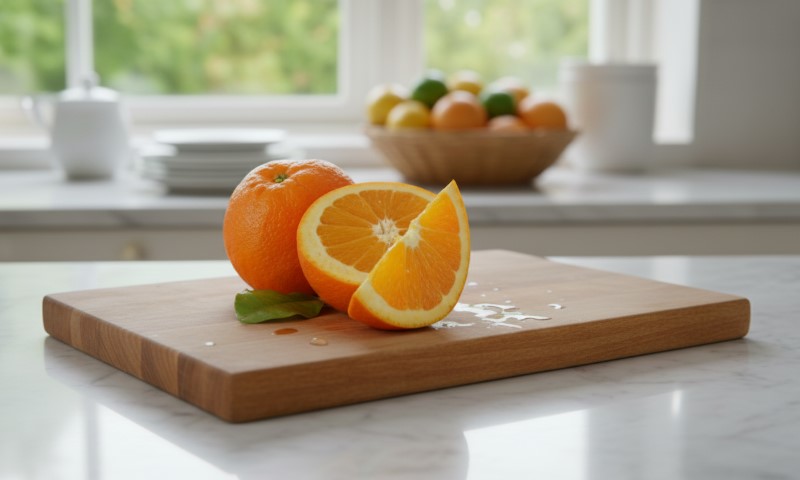
Vitamin C is one of the most useful tools in an iron-focused diet. NIH, WHO, and NHS all point to vitamin C-rich foods as helpers for iron absorption, especially with plant-based meals or iron tablets.
Vitamin C-Rich Foods That Help Iron Absorption
Keep a few of the following around and pair them often with beans, lentils, tofu, greens, or fortified grains:
- Oranges
- Strawberries
- Tomatoes
- Bell peppers
- Broccoli
- Citrus juice
- Kiwi
- Cantaloupe
A simple squeeze of lemon over beans, tomatoes cooked into lentils, or berries with fortified cereal can make a plant-based iron meal work harder.
Foods and Drinks That Can Get in the Way
Iron deficiency advice often focuses only on what to eat. Timing matters too. WHO says bran-rich cereals, tea, coffee, cocoa, and calcium can slow absorption when eaten with iron-rich foods.
For example, organic cocoa powder is rich in iron, but it should be consumed carefully because compounds in cocoa can make it harder for your body to absorb that iron.
NHS also warns that tea, coffee, milk and dairy, plus foods high in phytic acid, can make absorption harder.
Common Iron Blockers Around Meals
| Food or Drink | Why It Can Matter |
| Tea | Polyphenols can reduce iron absorption |
| Coffee | Can reduce iron absorption when taken with meals |
| Milk and dairy | Calcium can interfere with absorption |
| Cocoa | WHO lists cocoa among foods that slow absorption |
| Bran-heavy or high-phytate foods | Phytate can reduce nonheme iron absorption |
None of that means a person must ban coffee forever or stop eating dairy. A more practical move is timing. Put tea, coffee, and calcium-rich foods away from the most iron-focused meals when possible.
WHO advises separating calcium and iron supplements during the day, and the NHS notes that large amounts of tea, coffee, dairy, and high-phytate foods can make absorption harder.
Best Iron-Rich Breakfast Ideas
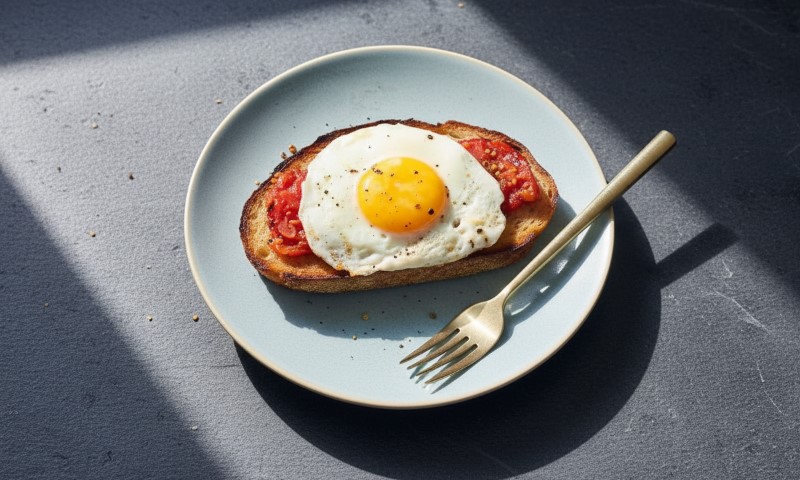
Breakfast is one of the easiest places to raise iron intake because fortified cereals and breads can carry a lot of iron.
NIH says fortified breakfast cereals can provide 18 mg of iron per serving in some cases, which makes them one of the most efficient pantry options available.
Breakfast Ideas That Work Well
Breakfast can be one of the easiest meals to improve when you are trying to raise iron intake, especially if you combine iron-rich foods with ingredients that help your body absorb more of it.
Fortified Cereal With Strawberries and Orange Segments
A fortified cereal paired with fruit gives a useful mix of iron and vitamin C. Add pumpkin or cashew topping for a little extra mineral support and crunch.
Eggs on Iron-Fortified Toast With Tomato Slices
Eggs are not the richest iron food on the list, but they still help. Iron-fortified or enriched bread plus tomato slices turns a basic breakfast into something more strategic.
Tofu Scramble With Bell Peppers and Spinach
For a plant-based breakfast, tofu gives iron, peppers bring vitamin C, and greens round out the plate. Pairing ingredients in one pan keeps the routine simple.
Oatmeal With Raisins, Cashews, and Kiwi on the Side
Oats contain phytate, so a vitamin C-rich fruit on the side can help. Raisins and nuts add small but useful amounts of iron.
Best Iron-Rich Lunches
Lunch works best when it is built around one central iron source and one obvious absorption helper.
Lunches Worth Repeating
Here are some fine examples:
Lentil Soup With Tomato and Lemon
Lentils bring iron. Tomato and lemon help absorption. Add a side salad with bell peppers for an extra push.
Turkey and Hummus Wrap With Red Pepper Strips
Turkey offers heme iron, hummus adds legumes, and peppers add vitamin C. A combo like that is practical for office lunches because it packs well and does not need much prep.
Salmon Bowl With Rice, Broccoli, and Citrus Dressing
Salmon is named by NHLBI as a good source of iron. Broccoli and citrus dressing help round out absorption support.
White Bean Salad With Tomatoes, Parsley, and Roasted Potatoes
White beans are one of the stronger plant options on the NIH list. Potatoes and tomatoes also contribute, making a no-meat lunch fully workable.
Best Iron-Rich Dinners
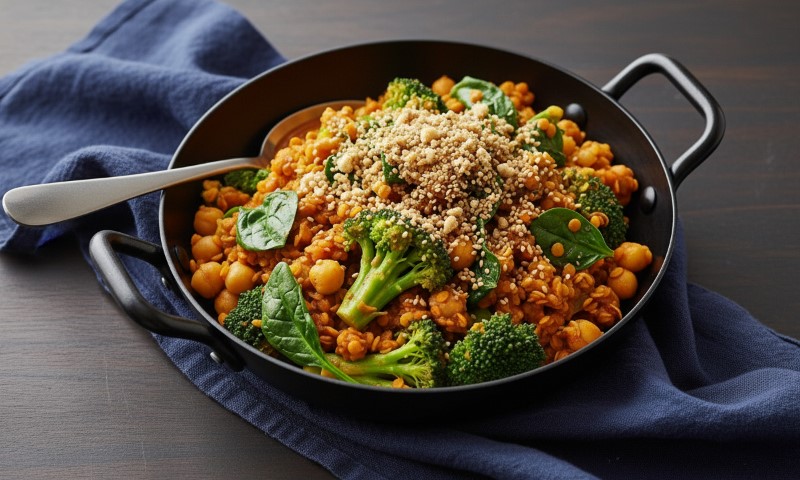
Dinner usually gives the most room for a larger iron-serving food and more complete side dishes.
Dinner Ideas That Make Sense
When dinner is planned well, it can be one of the easiest opportunities to combine iron-rich ingredients with sides that help your body make better use of them.
Lean Beef Stir-Fry With Broccoli and Peppers
Lean beef gives heme iron. Broccoli and peppers add vitamin C. Serve with enriched rice if wanted.
Chickpea and Spinach Curry With Tomatoes
A plant-based dinner can still do serious work when chickpeas, spinach, and tomatoes are cooked together. Add a squeeze of lemon before serving.
Sardines on Baked Potatoes With Tomato Salad
Sardines are an underrated pantry option. NIH lists them among iron sources, and baked potatoes also contribute some iron. Tomato salad helps the meal play better nutritionally.
Chicken, Lentil, and Vegetable Stew
Chicken helps with the meal’s iron profile and can also improve absorption of nonheme iron from lentils. A stew like that is easy to batch cook and useful for people who need more structure during the week.
Best Snacks for Low Iron
Snacks rarely fix iron deficiency on their own, but they can close the gap between meals.
Smart Snack Ideas
- Raisins with a clementine
- Roasted chickpeas with red pepper strips
- Cashews with strawberries
- Iron-fortified granola or cereal dry as a snack
- Hummus with broccoli or pepper slices
- Hard-boiled egg with tomato wedges
- Trail mix with dried apricots and pistachios
Snacks work best when one iron food and one vitamin C food show up together. A handful of dried fruit alone is fine. Dried fruit plus citrus is smarter.
A Practical 1-Day Iron-Focused Menu
Here is a realistic example for a person trying to improve iron intake through food:
- Breakfast: iron-fortified cereal, strawberries, orange slices
- Mid-morning snack: raisins and kiwi
- Lunch: lentil soup with tomatoes, whole grain toast, pepper salad
- Afternoon snack: hummus with broccoli and red pepper strips
- Dinner: lean beef stir-fry with broccoli, peppers, and enriched rice
- Evening option: herbal drink instead of tea or coffee near dinner
A plan like that uses several small advantages rather than relying on one so-called superfood. Fortified grains, legumes, meat, vegetables, and fruit all do part of the job.
Best Iron Deficiency Ingredients to Keep at Home
@nutritionscientist These foods are rich in Iron. Avoiding coffee and tea an hour before or after you eat these foods will help with Iron absorption. #simonhill #ironabsorption #iron #irondeficiency #irondeficient #richroll #richrollpodcast #fyp #foryou
A good shopping list prevents the usual problem, which is buying one bag of spinach and hoping for the best.
Fridge and Pantry Staples
Proteins
- Lean beef
- Turkey
- Chicken
- Salmon
- Sardines
- Eggs
- Tofu
Legumes and grains
- Lentils
- White beans
- Kidney beans
- Chickpeas
- Iron-fortified cereal
- Iron-fortified bread
- Enriched rice
Produce
- Bell peppers
- Tomatoes
- Broccoli
- Citrus fruit
- Strawberries
- Kiwi
- Potatoes
- Dark leafy greens
Snack ingredients
- Raisins
- Dried apricots
- Cashews
- Pistachios
A pantry built like that gives enough flexibility for breakfasts, soups, wraps, stir-fries, bowls, and snacks without forcing anyone into a rigid meal plan.
Why Iron Matters More Than Many People Realize
Iron helps the body make hemoglobin, the protein in red blood cells that carries oxygen, and myoglobin, which helps move oxygen into muscles. When iron intake or absorption falls short for long enough, iron stores can drop and iron deficiency anemia can follow. Common symptoms include tiredness, weakness, shortness of breath, headaches, and poor concentration.
Food matters, but so does context. Heavy menstrual bleeding, pregnancy, gastrointestinal disease, frequent blood donation, and some chronic illnesses can all raise the risk. In other words, a strong grocery list helps, but a good food plan works best when paired with proper medical evaluation.
Heme Iron vs Nonheme Iron
Iron in food comes in 2 main forms. Heme iron comes mostly from animal foods. Nonheme iron comes from plant foods and fortified products. Heme iron is generally absorbed more efficiently, while nonheme iron is more affected by what else is on the plate. NIH notes that meat, poultry, and seafood can also help the body absorb nonheme iron from plant foods eaten in the same meal.
That point shapes almost every practical food decision in a low-iron diet. A bowl of lentils can help. A bowl of lentils with tomatoes, peppers, and a side of fish or chicken often works better.
When Food Alone May Not Be Enough
Food helps, but iron deficiency often needs more than dietary changes. NHS says iron deficiency anemia is often treated with iron tablets plus iron-rich foods. NHLBI notes that oral iron is the most common treatment and that restoration of iron levels often takes 3 to 6 months. IV iron, further testing, or treatment of bleeding may also be needed in some cases.
Pregnancy, heavy periods, gut disorders, blood loss in the stomach or intestines, and chronic disease can all sit behind low iron. WHO also notes that anemia can involve infections, inherited blood disorders, digestive problems, and chronic illness. For anyone with symptoms, ongoing fatigue, heavy menstrual bleeding, black stools, stomach pain, or a history of bowel disease, medical evaluation matters. Also, find out which food to eat to improve your mood and hormonal balance.
Iron supplements also need care. NIH warns that high doses can cause stomach upset, constipation, nausea, and more serious problems in overdose, especially in children. Keep supplements out of children’s reach and use them with professional guidance when possible.
Final Thoughts
The best iron deficiency foods list is rarely about one magic ingredient. Strong results usually come from a steady pattern: iron-rich foods, vitamin C-rich produce, fewer blockers around key meals, and medical follow-up when symptoms or blood work point to a bigger problem. Build meals around that pattern, and the food on your plate starts working with more purpose.

Hi there, my name is Kelly Barlow and kellytoeat.com is my blog. Here, I write about various recipes I want to reccommend to readers.
I try to find the best possible recipes that can attract the attention of readers, and at the same time, I strive to write it in the most engaging manner possible.
When I was younger, I wanted to become a chef. Sadly, it wasn’t meant to be, but at the very least, I write about it.