
Espresso often sparks debate because headlines sometimes exaggerate its effects. Many coffee drinkers enjoy it for its concentrated flavor and energizing kick, yet mixed messages can create confusion about safety.
Some reports have claimed that a single shot may harm the heart, but such claims usually ignore context and scientific nuance.
Current research paints a clearer picture. Moderate intake shows several health gains, while most concerns relate to short-term reactions or high caffeine doses.
A balanced explanation helps separate fact from sensationalism and shows how espresso fits into a healthy routine for most adults.
How Is Espresso Different from Other Coffees?
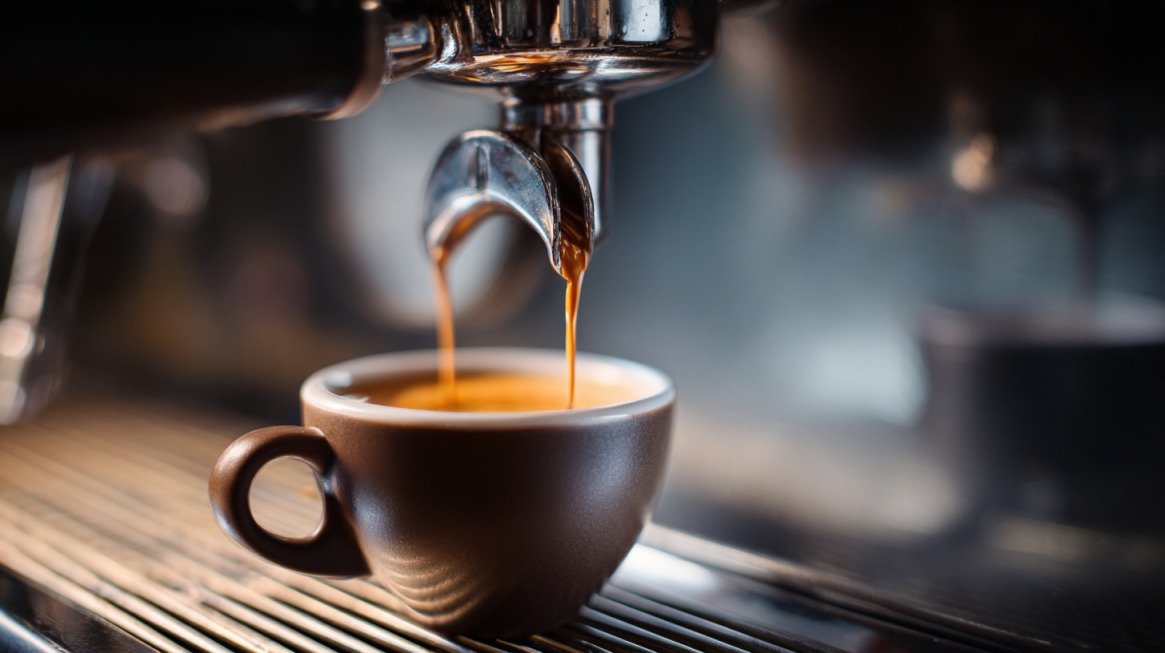
Espresso refers to a concentrated shot created by pushing hot water through finely ground beans under high pressure. A serving usually measures about 30 millilitres, giving a compact drink with a strong aroma and flavour.
Pressure, grind size, and extraction time all shape its intensity, creating a result that feels denser and more focused than many other coffee styles. Caffeine levels vary a lot between drinks.
According to EcoWatch, standard shots usually land between 30 and 50 milligrams. At the same time, certain commercial servings can climb to surprisingly high levels near 322 milligrams.
A common 12-ounce brewed coffee averages around 135 milligrams, so espresso holds more caffeine per ounce but often falls lower in overall quantity because the serving is so small.
- Espresso uses extremely fine grounds, while brewed coffee uses medium or coarse.
- High pressure extracts oils and compounds quickly, giving espresso a fuller mouthfeel.
- Short extraction time adds intensity without over-dilution.
- Brewed coffee relies on slower gravity-based extraction and larger water volume.
Bean choice also shapes caffeine levels and flavor character. Arabica beans appear in most espresso drinks and tend to carry a milder caffeine load along with sweeter, softer notes.
Robusta beans can hold nearly twice the caffeine and create a more assertive taste.
Anyone watching caffeine consumption benefits from paying attention to which bean type is used, since that choice can shift caffeine levels significantly.
Read more: Ever heard of a weight-loss coffee? Find how to make it at home here!
Health Benefits of Espresso
Espresso draws attention not only because of its flavor but also because of its concentrated nutritional profile. Many people are surprised to learn that a small shot carries compounds linked with protective effects across several body systems.
Research highlights improvements in antioxidant status, long-term disease resistance, brain function, and physical readiness.
Antioxidant Profile
Espresso delivers a high concentration of antioxidant compounds in a very small volume.
A single shot offers plant-derived substances that help shield cells from oxidative stress caused by daily exposure to pollution, stress, and normal metabolic processes.
- Chlorogenic acid, a compound associated with reduced inflammation
- Trigonelline, known for supporting cellular defense
- Caffeine, which carries antioxidant activity along with stimulant effects

Together, these substances help maintain healthier cellular environments and ease the strain placed on tissues by free radicals. Intake of antioxidant-rich coffee has been linked to better resistance against oxidative damage that contributes to aging and chronic illness.
Many people choose espresso for its efficiency, as a small shot delivers a concentrated dose without needing a large drink.
Support for Long-Term Health
Espresso consumption aligns with several encouraging findings tied to long-term wellness. Coffee research consistently shows protective associations across various chronic conditions.
Regular drinkers often display stronger health markers and reduced disease risk compared with non-drinkers.
Extended benefits include improved outcomes related to multiple cancers. Studies note lower risk profiles for oral, oesophageal, gastric, colorectal, and liver cancers among individuals who consume coffee regularly.
Scientists attribute part of this effect to the antioxidant and anti-inflammatory compounds present in coffee beans.
Cardiovascular benefits appear across numerous population studies. Moderate consumption of three to five caffeinated coffee servings per day correlates with a drop in cardiovascular issues.
Many nutrition experts consider coffee and tea to be supportive components of healthy dietary habits, largely due to their bioactive compounds and low-calorie nature when consumed without added sugars.
Metabolic advantages add another layer to espresso’s appeal. A study by Siamak Bidel and Jaakko Tuomilehto from 2013 shows us how regular intake aligns with a reduced likelihood of type 2 diabetes, and improved:
- Insulin sensitivity
- Glucose control
Kidney function may also benefit, as research links habitual coffee consumption with lower odds of chronic kidney conditions. Improvements in liver enzymes among coffee drinkers often show up in long-term health data as well.
Mental and Physical Performance

Espresso plays a notable role in short-term performance enhancement. Many people begin their day with it because of its fast-acting stimulant effect, which can sharpen concentration and reduce mental fatigue.
Caffeine’s influence on neurotransmitters, including dopamine, contributes to improved mood and motivation for individuals experiencing low energy or mild depressive symptoms.
Better awareness and quicker reaction times are common responses within minutes of drinking a shot.
Work productivity, problem-solving, and general alertness often rise after intake, making espresso a popular choice before tasks requiring focus.
Athletes frequently rely on caffeine as a performance aid. Espresso supports endurance by lowering perceived effort during physical activity.
Gains in stamina allow individuals to sustain higher training intensity or longer sessions. Increased fatty acid mobilization may also help the body use energy more efficiently during exercise.
- Longer runs or rides with a reduced sense of fatigue
- Stronger energy levels during gym sessions
- Improved attention during strategic or high-focus sports
Benefits appear even with small doses, making a single espresso shot a convenient pre-workout option.
Headache Relief
Caffeine has a long history of use in pain-relief formulas, especially for migraines. Many over-the-counter medications pair caffeine with analgesics because caffeine constricts blood vessels and boosts the effectiveness of accompanying pain relievers.
Migraine sufferers often report faster relief when caffeine is included in their regimen.
In some cases, people who consume caffeine regularly may notice headaches when intake drops suddenly, as withdrawal can trigger temporary symptoms. Sensitivity varies widely, but strategic use often helps many individuals manage migraines more effectively.
- Enhances the absorption of certain painkillers
- Narrowed dilated blood vessels contribute to migraine pain
- Speeds the onset of relief for many users
Although caffeine can both trigger and relieve headaches, careful timing and consistent rituals often help individuals control symptoms rather than worsen them.
Risks and Side Effects of Espresso
Espresso delivers notable health advantages, yet several concerns deserve attention so that intake remains safe and comfortable.
Caffeine affects each person differently, and factors such as existing health conditions, medication use, and timing can shape the experience.
Heart and Blood Pressure Effects
Short spikes in heart rate and blood pressure often occur shortly after espresso intake. Such reactions usually fade quickly, yet they can feel noticeable for individuals who are sensitive to stimulants.
A frequently cited study compared espresso with decaf and found improved artery dilation after the decaf option. No signs of artery damage appeared, and researchers measured changes in an arm vessel rather than coronary arteries.
Results were temporary and unlikely to cause lasting issues for healthy adults. Headlines sometimes exaggerate studies like this, creating sharper concern than the research supports.
- Fluttering or a rapid heartbeat after consumption
- Lightheadedness when caffeine hits quickly
- Pressure sensations that fade within minutes
Caffeine Sensitivity and Overconsumption
FDA recommendations suggest staying under 400 milligrams per day, equal to about five shots of espresso. Surpassing this range increases the likelihood of jitteriness, anxiety, restlessness, and sleep disruption.
Some individuals experience a racing pulse or stomach discomfort when intake climbs too high.
Withdrawal symptoms appear when daily habits shift abruptly. Headaches, irritability, low motivation, and fatigue may set in within twelve hours of reduced intake. Many people find that a gradual taper avoids most of these difficulties.
Extra guidance can help those who frequently exceed recommended limits.
- Difficulty concentrating after several shots
- Waves of nervous energy that feel hard to manage
- A crash in alertness followed by mood swings
Impact on Sleep and Anxiety
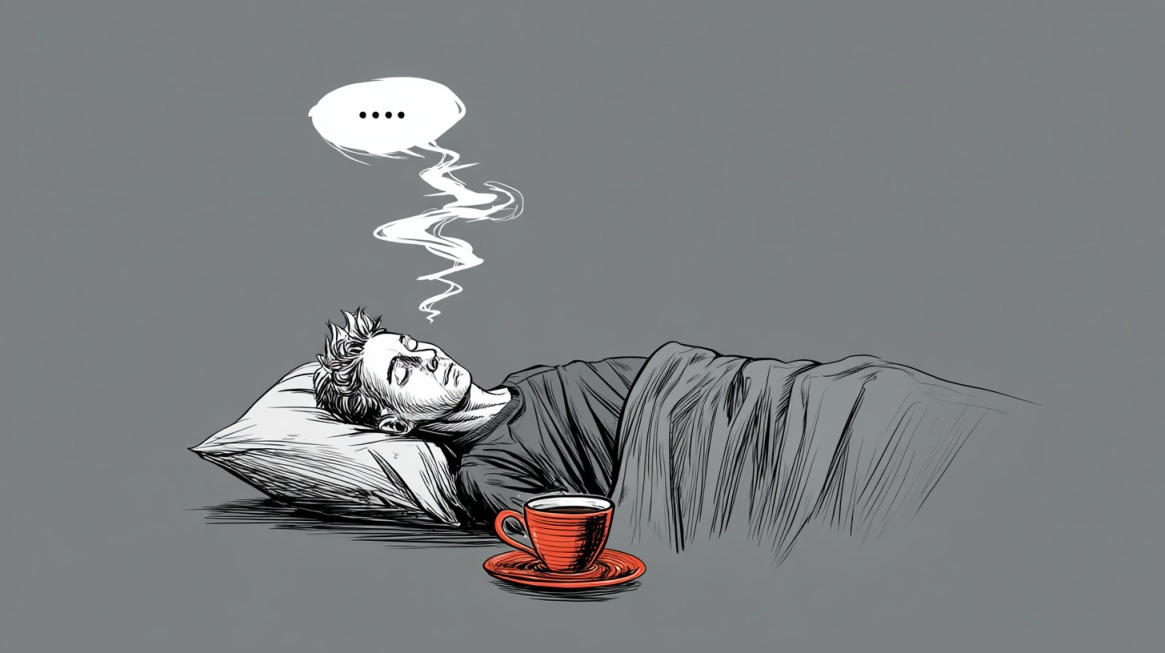
Caffeine remains in the body for many hours, making late-day consumption a common source of poor sleep. People who metabolize caffeine slowly may feel restless long into the evening after only a single afternoon shot.
Light sleep, trouble falling asleep, and more frequent nighttime awakenings are common effects.
Anxiety may intensify in people who already deal with heightened stress. Even moderate amounts can amplify worry or nervousness if consumed during tense periods or on an empty stomach.
Morning intake produces fewer problems, partly because the stimulant has more time to clear before bedtime.
Effect on Cholesterol
Espresso naturally contains cafestol, a compound known to increase LDL cholesterol. Paper filters remove cafestol in drip coffee, yet espresso and French press methods lack such filtration.
People concerned about their cholesterol profile often increase their use of filtered coffee or balance espresso intake with options that reduce exposure to cafestol.
- Alternating espresso with filtered coffee
- Requesting lighter roasts, which may alter cafestol levels slightly
- Completing cholesterol checks regularly when drinking unfiltered coffee often
Safe Consumption Guidelines
View this post on Instagram
Safe espresso habits rely on balanced amounts, smart timing, and awareness of personal sensitivity. Many adults tolerate one to three shots comfortably, and that range usually fits within recommended caffeine limits.
Early-day intake helps most people enjoy the energizing effect without disrupting nighttime rest. Later consumption often lingers in the body and may lead to difficulty falling asleep or staying asleep.
Caffeine content varies by bean type, so bean selection offers an easy way to manage intake. Arabica beans support those seeking a gentler option because they bring lower caffeine levels compared with Robusta varieties.
Brewing method plays its own role as well. Unfiltered methods, such as espresso or French press, allow cafestol to stay present in the beverage, which can influence cholesterol levels for individuals with concerns in that area.
People aiming to moderate or decrease intake often benefit from a steady, gradual approach.
Sudden removal of caffeine may trigger headaches, mood changes, and fatigue, while a slower adjustment eases the transition and helps the body adapt more comfortably.
Summary
Espresso does not pose a hazard for most adults when consumed in sensible amounts. A concentrated shot delivers antioxidants along with benefits linked to metabolic health, cardiovascular function, mood, and performance.
Most concerns stem from short-term reactions or unusually high caffeine exposure.
Balanced use, smart timing, and awareness of individual sensitivity allow espresso to fit comfortably into a healthy routine.
Sensational headlines often rely on small studies or misinterpreted findings, so context matters when evaluating claims about espresso and wellness.

Hi there, my name is Kelly Barlow and kellytoeat.com is my blog. Here, I write about various recipes I want to reccommend to readers.
I try to find the best possible recipes that can attract the attention of readers, and at the same time, I strive to write it in the most engaging manner possible.
When I was younger, I wanted to become a chef. Sadly, it wasn’t meant to be, but at the very least, I write about it.