
A dining table often acts as the heart of a home, providing a place for meals, conversation, and family gatherings.
Daily use exposes the surface to spills, hot cookware, scratches, and constant contact with dishes and utensils.
Wooden dining tables remain a popular choice because of their strength and classic appearance. Solid wood construction can last for decades, yet proper care plays an important role in maintaining the surface condition.
Heat, moisture, friction, and sunlight can slowly damage wood finishes if protection is ignored.
Protective accessories, careful cleaning practices, and durable finishing treatments help extend the life of a dining table.
Consistent maintenance helps keep the surface smooth, attractive, and functional during years of daily use.
Protecting a Dining Table From Heat
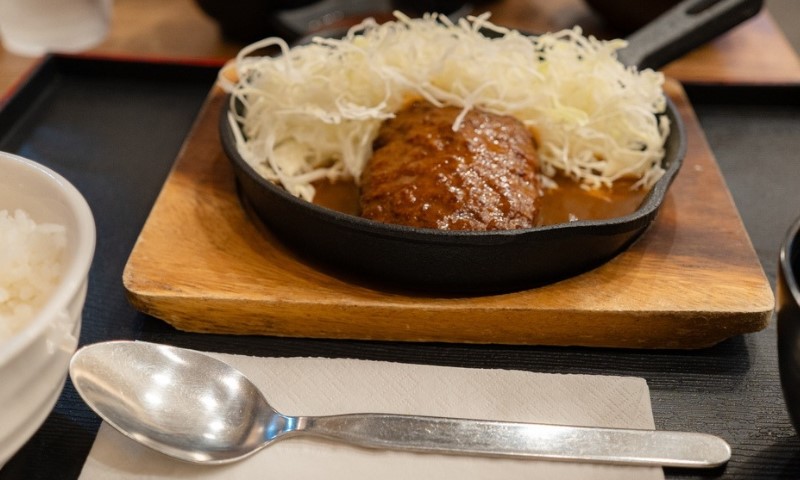
Heat exposure remains one of the most common causes of damage to wooden dining tables.
Hot cookware, steaming serving dishes, and heated drinkware can gradually weaken finishes and create permanent marks on wood surfaces.
Consistent protection helps prevent heat damage and maintains the integrity of the tabletop finish.
Use Heat-Resistant Accessories
Hot dishes, pans, and serving plates can cause permanent heat marks on wooden surfaces if placed directly on the tabletop.
Heat-resistant accessories act as a protective layer that absorbs and disperses heat before it reaches the wood finish.
Common protective accessories include several widely used options:
- Trivets designed with metal, ceramic, or silicone materials
- Heat pads made of thick cork, fabric, or silicone
- Placemats designed to withstand elevated temperatures
Households that frequently place serving dishes on the table during meals benefit greatly through regular use of these protective items. Proper placement helps maintain the surface condition even during large gatherings or extended dining periods.
Use Coasters for Hot and Cold Drinks
Drinkware also presents a significant source of heat and moisture exposure for dining tables. Coffee mugs, tea cups, and chilled glasses often create surface rings or stains if placed directly on wood.
Coasters create a protective base that shields the surface against both heat and moisture. Materials commonly used for effective coasters include:
- Cork
- Stone or ceramic
- Silicone
- Absorbent wood fiber
Condensation produced by cold drinks can collect under glasses and seep into wood finishes. Moisture trapped on the surface may create white rings or dull patches. Coasters absorb or redirect that moisture before it contacts the finish.
Regular coaster use also prevents gradual staining caused by repeated contact with beverages. Small protective barriers significantly reduce long-term surface damage.
Maintain Distance From Heat Sources
Placement of furniture within a room also affects long-term durability.
Continuous heat exposure created by heating systems can dry wood fibers and weaken protective finishes.
Dining tables located too close to strong heat sources may experience several forms of gradual damage:
- Drying of wood fibers
- Cracking along joints or seams
- Peeling or softening of protective finishes
- Uneven expansion and contraction of wood panels
Proper positioning within the room helps reduce these risks. Dining tables should remain at a safe distance away from heating vents, furnaces, fireplaces, and radiators.
Stable room temperatures support the longevity of wood furniture. Reduced exposure to intense heat helps preserve both the structural stability and the surface finish of the table.
Preventing Scratches and Surface Damage
Daily dining activities place repeated physical stress on table surfaces.
Plates, utensils, decorative objects, and serving dishes can slowly create scratches and surface wear.
Preventive protection helps maintain the smooth finish and visual quality of wooden tables.
Small habits practiced during meals and routine household use greatly reduce long-term surface damage. Protective coverings and careful object handling help maintain the finish for many years.
Use Table Linens
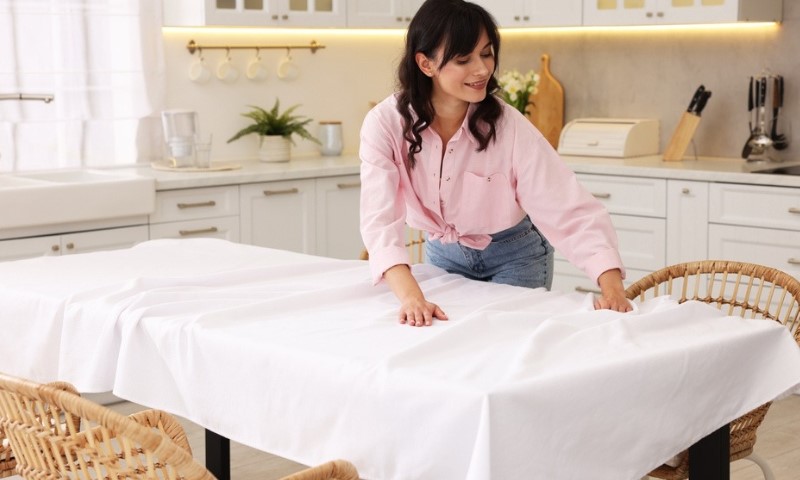
Table linens provide a protective layer that shields the tabletop during meals.
Contact between dishes and the surface often creates friction that gradually wears down the finish.
Fabric coverings reduce this friction while also protecting against minor impacts.
Common linen options used during meals include:
- Full tablecloths that cover the entire surface
- Placemats placed beneath each setting
- Table runners placed along the center for serving dishes
Frequent use of table linens helps prevent small scratches created during everyday dining activities. Soft fabric barriers also reduce noise, impact, and utensil contact with the tabletop.
Households that host frequent meals or family gatherings benefit significantly through consistent linen use.
Add Protective Pads Under Items
Decorative objects placed on dining tables can also cause damage over time.
Centerpieces, candles, vases, and small appliances may scratch the surface if placed directly on wood finishes.
Protective padding placed under these items reduces direct friction and protects the surface finish.
Common protective pad materials include:
- Felt pads
- Rubber pads
- Cork pads
- Fabric covers
Regular inspection of protective pads also helps maintain effectiveness. Worn pads should be replaced to maintain proper surface protection.
Avoid Sliding Heavy Objects
Movement of heavy dishes and serving trays can gradually wear down the finish. Sliding objects across the table surface creates friction that may leave fine scratches.
Simple habits during meal preparation and cleanup significantly reduce these risks.
Consistent use of these habits preserves the finish and prevents gradual surface wear.
Protect the Table From Direct Sunlight
Sunlight exposure can also affect the long-term appearance of wooden dining tables. Ultraviolet light slowly fades finishes and may cause uneven discoloration across exposed areas.
Surfaces positioned near windows often develop fading patterns that appear darker in shaded areas. Protective steps help reduce sunlight exposure.
Several simple adjustments can reduce ultraviolet damage:
- Positioning the table away from strong window exposure
- Installing curtains or blinds to block direct sunlight
- Rotating decorative items periodically to reduce uneven fading
Protection against direct sunlight helps preserve finish color and surface consistency.
Applying Protective Finishes and Coatings
Protective finishes form a crucial barrier that shields wood surfaces against damage.
Sealants, wax, and polish strengthen the tabletop and help resist moisture, heat, and surface wear.
Proper finishing treatments create a durable protective layer that extends the lifespan of wooden furniture. Periodic reapplication maintains the strength of that protective barrier.
Use Durable Sealants
Durable sealants such as polyurethane and varnish protect wood surfaces through a hardened outer coating.
Sealants provide several protective benefits that improve durability:
- Resistance against heat exposure
- Protection against moisture penetration
- Reduced scratching and abrasion
- Increased surface durability during daily use
Application of these finishes strengthens the table surface and helps maintain a smooth appearance.
Apply Furniture Polish or Wax
Furniture polish and wax create an additional protective layer on top of the existing finish. Regular polishing helps maintain shine while reducing minor surface friction.
Beeswax polish offers a natural protective option that enhances the visible grain of wood surfaces.
Smooth polished surfaces also become easier to clean during routine maintenance.
Application should occur using soft cloths that distribute wax evenly across the surface.
Refinish the Surface When Necessary
Long-term use eventually wears down protective finishes. Scratches, dull patches, and uneven surfaces may develop after years of use.
Refinishing restores the protective layer and improves the visual condition of the table. Process generally involves several steps:
Sanding the old finish to remove worn coatings
Cleaning the surface to remove sanding residue
Applying a fresh protective sealant
Renewed finishes restore durability while also improving the appearance of the tabletop.
Refinishing also protects the wood surface against future heat exposure, spills, and physical wear.
Establishing a Cleaning and Maintenance Routine
@lizaprideaux53 Wood tsble cleaning tip: Our wood table sometimes feel sticky even after cleaning it, I’m guessing it’s a build up of product but today i found something that gets rid of that sticky feeling and it’s Sugar Soap! So glad i found a solution now if you’ve got any product recommendations on what to use to clean my wood table then please let me know without it leaving a sticky residue. #cleaningwood #woodtablecleaning #cleaninghacks #cleaningtips
Consistent cleaning habits help maintain both the appearance and durability of a dining table. Dirt, dust, and spills can gradually damage wood finishes if left untreated.
Routine care prevents buildup that could scratch the surface or weaken protective coatings. Proper cleaning also helps extend the lifespan of finishing treatments.
Dust Regularly
Dust accumulation can create fine abrasions on furniture surfaces during daily use. Tiny particles trapped beneath dishes or decorative objects may scratch the finish.
Safe dust removal requires soft cleaning materials such as:
- Microfiber cloths
- Lint-free cotton cloths
- Soft dusting cloths designed for furniture
Weekly dusting helps remove abrasive particles and maintain a smooth tabletop surface.
Clean With Gentle Products
Cleaning products designed for general household use may contain chemicals that damage wood finishes. Abrasive cleaners can dull the surface and weaken protective coatings.
Gentle cleaning methods protect the finish during regular maintenance. Safe cleaning approaches include:
- Using a damp cloth with warm water
- Applying wood-safe cleaning products
- Avoiding strong solvents or abrasive chemicals
Simple cleaning solutions maintain surface cleanliness while protecting the wood finish.
Clean and Dry Surfaces Properly
Correct cleaning technique plays an important role in protecting wooden furniture. Excess moisture may penetrate the finish and damage the underlying wood.
Effective cleaning practices involve several steps:
- Wiping surfaces with a lightly damp cloth
- Following the direction of the wood grain during cleaning
- Drying the surface immediately using a soft cloth
Proper drying prevents moisture accumulation and protects the integrity of the finish.
Maintain Consistent Humidity Levels
Wood naturally reacts to environmental humidity changes. Expansion and contraction occur as moisture levels fluctuate within indoor spaces.
Unstable humidity conditions may lead to structural issues that affect furniture durability.
Balanced indoor humidity helps maintain the structural integrity of wooden furniture. Stable air conditions reduce stress placed on wood fibers and support long-term durability.
The Bottom Line
Dining tables represent long-term furniture investments that benefit greatly through regular care.
Protective habits such as using coasters, placemats, and heat barriers help prevent surface damage.
Application of protective finishes combined with routine cleaning maintains the condition of wood surfaces.
Consistent maintenance protects against heat damage, scratches, and daily wear.

Hi there, my name is Kelly Barlow and kellytoeat.com is my blog. Here, I write about various recipes I want to reccommend to readers.
I try to find the best possible recipes that can attract the attention of readers, and at the same time, I strive to write it in the most engaging manner possible.
When I was younger, I wanted to become a chef. Sadly, it wasn’t meant to be, but at the very least, I write about it.