
United States consumers lead global spice consumption and import activity. Annual spice use has increased dramatically across recent decades:
- In 1966, average consumption reached about 1.2 pounds per person each year.
- By 2015, that figure climbed to roughly 3.7 pounds per person per year.
Growing interest in bold flavors, international recipes, and home cooking has driven steady demand.
Local food movements often focus on produce and meat, yet spices remain heavily reliant on overseas supply due to agricultural and economic factors.
1. Vanilla Beans
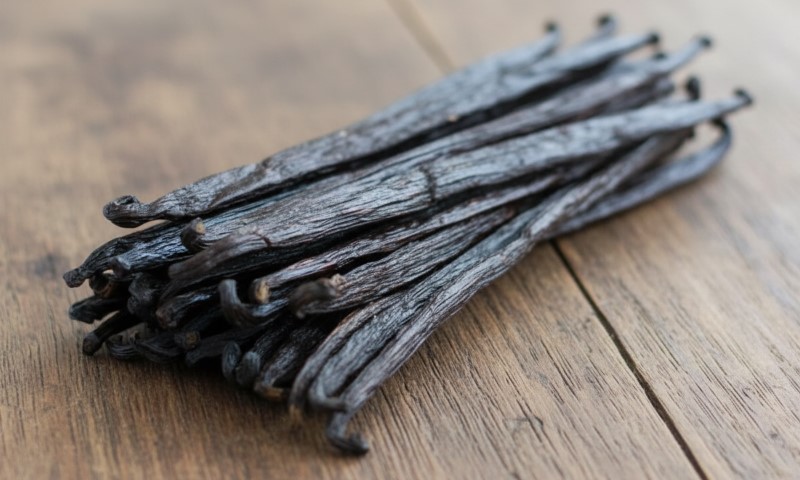
Vanilla ranks among the most expensive spices sold in American markets due to demanding production methods and fragile supply chains.
Each vanilla orchid flower must be pollinated by hand within a short window, which sharply limits scale and raises labor costs.
Supply concentration plays a major role in pricing and availability, shaped by a single dominant producer.
Key supply and production realities include:
- Madagascar providing most vanilla beans purchased by U.S. buyers
- Hand pollination required for every flower
- Long curing periods needed before beans reach export quality
Market volatility often follows weather events or labor disruptions in producing regions, leading to sharp price swings felt by food manufacturers and retailers.
2. Black, White, and Chili Peppers
Pepper varieties serve as everyday seasonings across American households and large-scale food processing operations.
Demand remains consistent year-round, supported by packaged foods, restaurants, and home cooking.
Reliable import channels keep shelves stocked despite limited domestic output.
Primary sourcing reflects global pepper production patterns:
- India supplying multiple pepper types
- Vietnam leading large-volume exports
- Indonesia supporting both black and white pepper demand
Usage spans simple table seasoning to industrial spice mixes used in snacks, sauces, and frozen meals.
3. Cinnamon

Cinnamon maintains a familiar role in American cooking, strongly tied to baked goods, warm beverages, and seasonal recipes associated with colder months.
Usage increases sharply during fall and winter as households and food brands lean into comforting flavors tied to holidays and desserts.
Climate limits domestic cultivation, which keeps import reliance firmly in place.
Supply concentration directly influences price stability and flavor consistency, shaped by two dominant origins:
- Sri Lanka linked to higher-grade cinnamon with softer texture and refined flavor
- Indonesia supporting large-volume supply used widely in commercial baking and packaged foods
Food manufacturers depend on reliable shipments to preserve uniform taste across cereals, pastries, snack products, and drink mixes sold nationwide.
Facilities like Loretto Rd storage with NSA Storage offer climate-controlled units that help preserve spice quality during distribution or overflow storage.
4. Cloves
Cloves deliver intense aroma and warmth despite being used sparingly.
American demand focuses on spice mixes, baked goods, sauces, and seasonal beverages such as mulled drinks.
Long growing cycles and labor-heavy harvesting keep global production limited, which reinforces dependence on established suppliers.
Export flows into the U.S. follow a narrow channel of major producers:
- Indonesia managing large-scale cultivation and export volume
- Madagascar serving as an additional source supporting supply balance
Small usage quantities still require steady imports since commercial spice blending depends on uninterrupted availability.
5. Mustard Seed
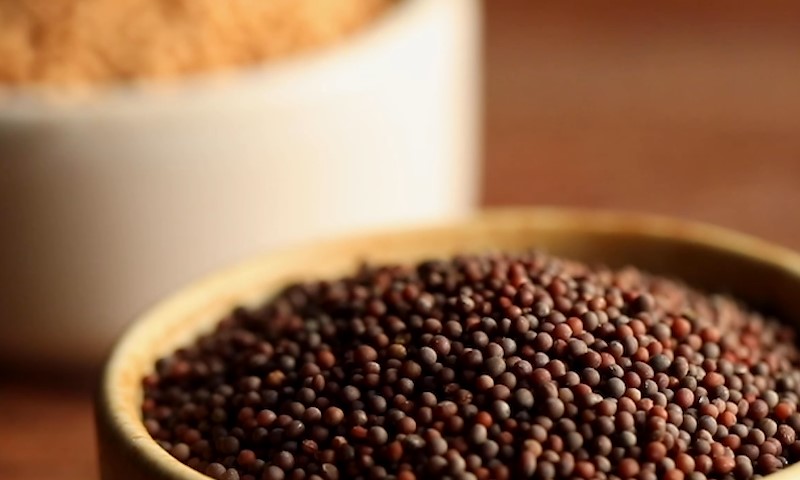
Mustard seed remains essential for condiment manufacturing, especially yellow and brown mustard products found across grocery shelves.
Spice rubs, pickling blends, and processed foods also rely on consistent seed quality.
Domestic farming contributes modest output but falls short of national needs.
Trade relationships shape supply stability and pricing:
- Canada providing a substantial share due to geographic proximity
- India contributing added volume to meet demand spikes
Processing facilities require uniform seed size and predictable oil content, which strengthens reliance on long-established growing regions.
6. Oregano
Oregano plays a central role in Italian, Mexican, and Mediterranean cooking commonly practiced across American households and restaurants.
Dried oregano dominates both retail and foodservice use, favored for shelf stability and strong aroma.
Oil concentration and flavor intensity guide sourcing decisions.
Import origins align with traditional cultivation zones:
- Mexico supplying large commercial quantities
- Greece and Turkey supporting premium-grade oregano
Steady imports allow restaurants and packaged food producers to maintain consistent flavor profiles across sauces, pizzas, and seasoning mixes.
7. Sesame Seeds
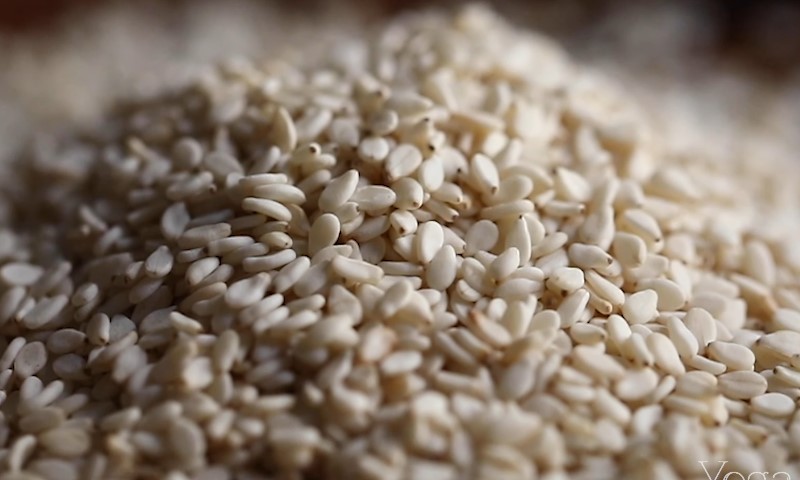
Sesame seeds appear throughout American food culture, visible on bagels and widely used in sauces, oils, and snack products.
Domestic farms grow sesame, yet market forces push much of that harvest toward export markets.
Import channels compensate for domestic shortfall tied to consumption needs.
Trade data reflects a notable imbalance
- India acting as a leading supplier to U.S. buyers
- Sudan and Ethiopia contributing sizable volumes
- S. output directed mainly toward overseas markets
Food processors rely on imports to stabilize pricing and ensure continuous supply across bakery and packaged food operations.
8. Cumin, Turmeric, and Paprika
Demand for cumin, turmeric, and paprika continues rising as American cooking habits incorporate more Indian and Middle Eastern recipes.
Home kitchens and packaged food brands both contribute to volume growth.
Each spice delivers distinct attributes tied to aroma, color, and heat intensity.
Sourcing patterns remain closely tied to traditional producers:
- India supplying most cumin and turmeric consumed domestically
- Spain, Hungary, and Peru supporting paprika demand
Increased use appears across spice mixes, ready meals, sauces, and health-oriented recipes sold in retail and foodservice channels.
Reasons Domestic Spice Farming Remains Limited
View this post on Instagram
Climate constraints represent one of the strongest barriers to large-scale spice production across the United States.
Many spices require extended warmth, high humidity, and stable growing seasons that temperate regions cannot consistently provide.
Frost risk, seasonal variability, and limited suitable zones restrict commercial viability for most spice crops.
Economic pressures further discourage expansion.
Labor expenses inside the country remain far higher than costs seen in traditional producing regions, where harvesting, drying, and sorting rely heavily on manual work.
Profit margins shrink quickly when wages rise, making large-scale spice farming less competitive.
Even spices capable of growing domestically face structural limitations tied to market focus and trade economics.
Production often targets export buyers rather than local processors, which keeps domestic availability limited.
Clear examples of these constraints appear across several crops:
Infrastructure also plays a role. Processing facilities for cleaning, drying, and grading spices remain concentrated near established global producers.
Without local processing capacity, domestic growers face higher costs and reduced market access.
Import systems already in place continue serving as the most efficient way to supply American kitchens, restaurants, and food manufacturers under current conditions.
The Bottom Line
American kitchens show an enduring appetite for spices driven by global food influences and curiosity for bold flavors.
Local sourcing trends continue growing, yet spices remain deeply tied to international supply networks.
Agricultural innovation and targeted investment could shift production patterns over time.
Current conditions keep imports dominant across grocery shelves, restaurants, and food manufacturing operations nationwide.

Hi there, my name is Kelly Barlow and kellytoeat.com is my blog. Here, I write about various recipes I want to reccommend to readers.
I try to find the best possible recipes that can attract the attention of readers, and at the same time, I strive to write it in the most engaging manner possible.
When I was younger, I wanted to become a chef. Sadly, it wasn’t meant to be, but at the very least, I write about it.