
The direct answer is this: slightly sour milk is sometimes safe to consume, but only under specific conditions, and only for certain uses.
Sourness alone does not automatically mean milk is dangerous, but it also does not guarantee safety.
The key factors are how sour it is, how it was stored, how old it is, and how you plan to use it. Confusing naturally soured milk with spoiled milk is where most people get into trouble.
Why Milk Turns Sour in the First Place
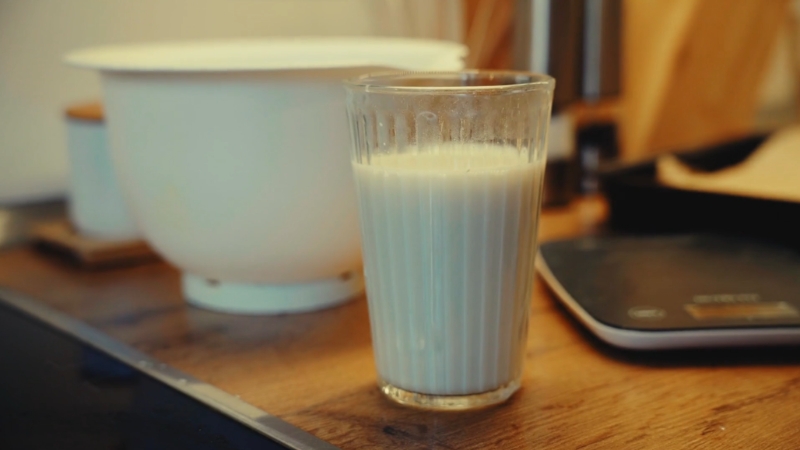
Milk becomes sour when lactic acid–producing bacteria consume lactose and convert it into lactic acid. This process lowers the pH, giving milk a tangy smell and taste.
This can happen in two very different ways:
- Controlled souring, similar to yogurt or buttermilk production
- Uncontrolled spoilage, where harmful bacteria may also be present
The smell may be similar at first, but the safety profile is not.
The Difference Between “Sour” and “Spoiled” Milk
Slightly sour milk usually has:
- A mild, tangy smell
- No visible chunks
- Smooth, uniform texture
- No gas bubbles
- No slime
Spoiled milk typically shows:
- Strong, unpleasant odor
- Thick clumps or curd
- Yellowish separation
- Slimy texture
- Bitter or rancid taste
Once milk reaches the second category, it is no longer safe.
Sour vs Spoiled Milk
| Characteristic | Slightly Sour | Spoiled |
| Smell | Mild, tangy | Sharp, foul |
| Texture | Smooth | Chunky or slimy |
| Taste | Lightly acidic | Bitter or rotten |
| Safety | Sometimes usable | Discard |
Pasteurized Milk vs Raw Milk: Safety Is Not the Same
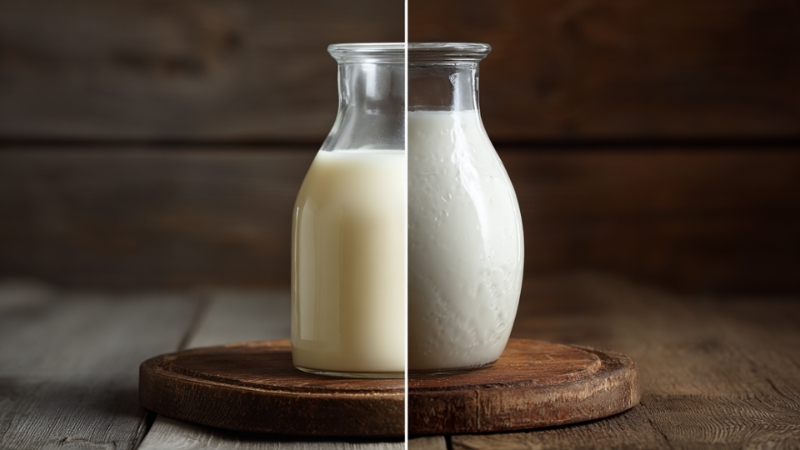
Most store-bought milk is pasteurized, meaning harmful bacteria were killed before packaging. When pasteurized milk turns slightly sour while kept refrigerated, it is usually due to lactic acid bacteria, not pathogens.
Raw milk is different. It can contain dangerous bacteria such as Salmonella, Listeria, or E. coli. Sourness in raw milk does not make it safer and does not indicate fermentation in a controlled way.
Safety by Milk Type
| Milk Type | Slight Sourness Safety |
| Pasteurized | Sometimes safe |
| Ultra-pasteurized | Rarely sour before spoilage |
| Raw milk | Unsafe |
When Slightly Sour Milk Can Be Used Safely
View this post on Instagram
Slightly sour pasteurized milk can be safely used only in cooked foods, not drunk directly.
Safe uses include:
- Pancakes or waffles
- Muffins or quick breads
- Biscuits or scones
- Marinades
- Cream-based soups (fully cooked)
Heat kills most remaining bacteria, and acidity often improves baking performance.
Safe vs Unsafe Uses
| Use | Recommended |
| Drinking | No |
| Baking | Yes |
| Cooking | Yes |
| Coffee or cereal | No |
| Feeding children | No |
When Sour Milk Is NOT Safe Under Any Circumstances
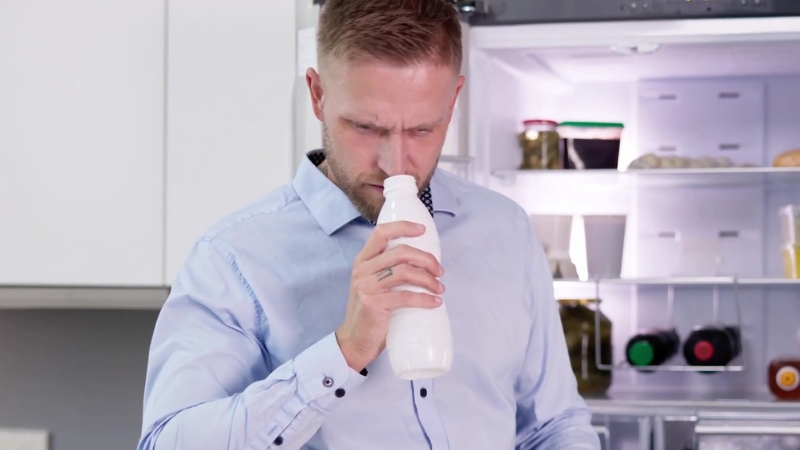
Discard milk immediately if:
- It smells rotten or sulfur-like
- It has visible clumps or slime
- The container was left unrefrigerated
- The carton is bloated
- The milk is raw
- Mold is visible
- The taste is bitter or unpleasant
Do not “boil to fix” milk that is clearly spoiled. Heat does not neutralize toxins produced by certain bacteria.
What About Expiration Dates?
Expiration dates are quality guidelines, not exact safety cutoffs. Milk stored consistently at 4°C (40°F) or below may remain usable for several days past the date. Milk exposed to temperature fluctuations may spoil before the date.
Always evaluate:
- Storage temperature
- Smell
- Texture
- Container condition
Shelf Life Reality
| Condition | Likely Outcome |
| Constant refrigeration | Longer usable window |
| Frequent door opening | Faster spoilage |
| Room temp exposure | Unsafe quickly |
| Clean pouring | Slower contamination |
Why Drinking Sour Milk Is Riskier Than Cooking With It
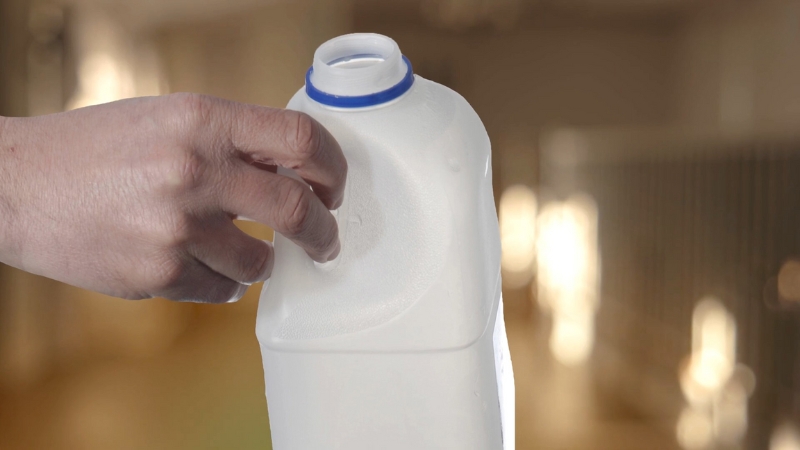
Drinking sour milk introduces bacteria directly into the digestive system. Cooking exposes the milk to temperatures that significantly reduce bacterial load.
Even if sour milk does not cause food poisoning, it can cause:
- Nausea
- Stomach cramps
- Diarrhea
- Vomiting
Children, pregnant people, elderly adults, and immunocompromised individuals should never consume sour milk in any form.
Common Myths About Sour Milk
Many people assume sour milk equals buttermilk or yogurt. This is incorrect. Those products are made using controlled bacterial cultures under strict conditions. Accidental souring is uncontrolled and unpredictable.
Another myth is that boiling spoiled milk makes it safe. It does not remove bacterial toxins.
Myths vs Reality
| Myth | Reality |
| Sour milk is like buttermilk | False |
| Boiling fixes spoiled milk | False |
| Smell alone is enough | Incomplete |
| Slight sour = safe to drink | False |
Final Perspective
@mybutchkitchen Replying to @tstepp229 what is soured milk??? I have an answer! #mybutchkitchen #milk #souredmilk #baking @rolson17 ♬ No One Needs To Know – Shania Twain
Slightly sour pasteurized milk is not automatically dangerous, but it is also not safe to drink.
In limited cases, it can be safely used in cooked or baked recipes if there are no signs of spoilage and the milk has been stored correctly.
Once texture changes, odor becomes strong, or storage conditions are questionable, the milk should be discarded.

Hi there, my name is Kelly Barlow and kellytoeat.com is my blog. Here, I write about various recipes I want to reccommend to readers.
I try to find the best possible recipes that can attract the attention of readers, and at the same time, I strive to write it in the most engaging manner possible.
When I was younger, I wanted to become a chef. Sadly, it wasn’t meant to be, but at the very least, I write about it.