
Hormones regulate key processes in the body, including mood, metabolism, sleep, reproductive health, and energy levels. Balanced hormonal activity supports stable mood, consistent energy, and proper metabolic function.
Hormone levels can shift due to factors such as stress, poor nutrition, sleep disruption, and metabolic changes.
Imbalances may lead to symptoms like fatigue, mood swings, weight changes, irregular menstrual cycles, and reduced libido.
Nutrition plays an important role in maintaining hormone balance.
Nutrients found in whole foods support hormone production and regulation, while compounds such as omega-3 fatty acids, fiber, antioxidants, and magnesium help control inflammation, stabilize blood sugar, and support brain and endocrine health.
Regular consumption of nutrient-dense foods can support natural hormonal balance and contribute to improved mood, energy, and overall well-being.
1. Leafy Green Vegetables

Examples include spinach, kale, and Swiss chard.
Key nutrients include magnesium, folate, antioxidants, and fiber.
Nutrient density in leafy greens supports many metabolic and hormonal functions in the body.
Frequent intake of leafy vegetables contributes to steady energy levels and supports systems involved in stress response, digestion, and neurological activity.
Several nutrients present in leafy greens contribute directly to hormone balance and metabolic regulation. Important components include:
- Magnesium, which participates in hundreds of enzymatic reactions connected to hormone production and nervous system regulation
- Folate, a B vitamin involved in DNA synthesis and neurological function
- Antioxidants such as carotenoids and flavonoids that protect cells against oxidative stress
- Dietary fiber that supports digestion and metabolic stability
Magnesium plays an important role in stress regulation and may help control cortisol, often called the stress hormone.
Fiber and prebiotic compounds found in leafy greens support gut microbiome health.
Healthy gut bacteria influence hormone metabolism and estrogen balance by assisting hormone breakdown and elimination.
Several digestive benefits contribute to hormonal regulation:
- Prebiotic compounds feed beneficial gut bacteria
- Fiber promotes regular digestion and elimination
- Healthy microbiome activity assists metabolism of circulating hormones
Regular consumption of leafy vegetables can support brain health, maintain energy levels, and provide essential micronutrients involved in hormone production.
2. Fatty Fish (Salmon, Sardines, Mackerel)
Fatty fish provide omega-3 fatty acids, vitamin D, and high-quality protein. Nutrient combination in fatty fish supports hormone production, brain health, and metabolic stability.
Several nutrients present in fatty fish contribute to endocrine function and mood regulation:
- Omega-3 fatty acids such as EPA and DHA
- Vitamin D, a hormone-like nutrient involved in immune and endocrine processes
- Complete protein containing essential amino acids
Omega-3 fatty acids play an important role in reducing inflammation and supporting hormonal balance, especially reproductive hormones.
Lower inflammation supports proper signaling between endocrine glands and body tissues.
Inflammation can interfere with hormone communication in the body.
Anti-inflammatory effects linked to omega-3 fatty acids support the healthy function of several systems:
- Endocrine glands that regulate hormone release
- Brain pathways connected to emotional regulation
- Metabolic systems that control insulin and energy use
Healthy fats are essential components in hormone production because many hormones are synthesized using cholesterol and fatty acids as building blocks.
Adequate intake of healthy fats supports cellular structure and hormone communication between cells.
Vitamin D also contributes to hormone regulation and immune health.
For individuals who do not get enough vitamin D from diet or sunlight, a daily vitamin D supplement may help support healthy levels.
Adequate vitamin D levels have been linked to improved mood stability and better endocrine function.
Nutrients participate in the regulation of several important systems:
- Calcium balance and bone metabolism
- Immune response
- Hormonal signaling pathways
Omega-3 fatty acids also support brain health. Healthy brain function plays a major role in mood regulation and emotional stability.
Regular intake of fatty fish may support cognitive performance and emotional balance.
3. Flaxseeds and Chia Seeds
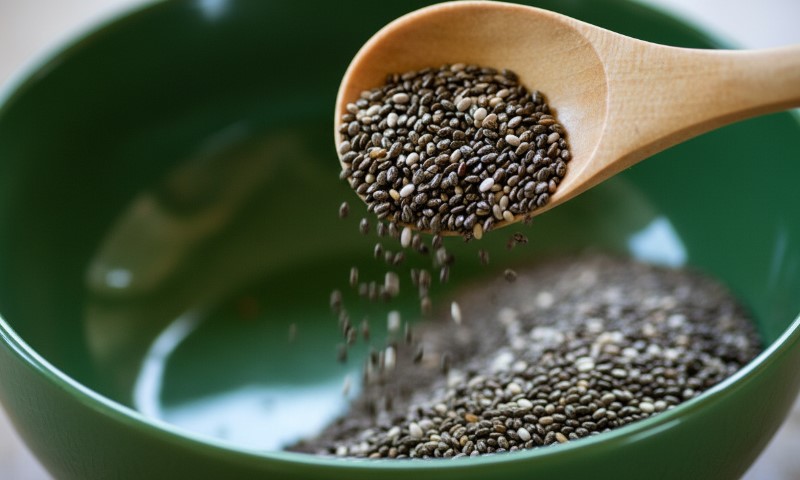
Flaxseeds and chia seeds contain omega-3 fatty acids, fiber, and lignans, which are plant compounds classified as phytoestrogens.
The nutritional profile of these seeds supports digestion, hormone metabolism, and stable energy levels.
Key nutrients and compounds found in these seeds include:
- Alpha-linolenic acid, a plant-based omega-3 fatty acid
- Soluble and insoluble fiber that supports digestive health
- Lignans that influence estrogen metabolism
Lignans can support estrogen metabolism and help regulate hormonal activity in the body.
Plant compounds may assist with maintaining balanced estrogen activity, especially during hormonal fluctuations.
The activity of lignans may contribute to several hormonal processes:
- Regulation of estrogen activity in tissues
- Support of hormone detoxification pathways
- Modulation of hormone receptor activity
High fiber content improves digestion and supports stable blood sugar levels. Balanced blood sugar helps regulate insulin responses, which directly influence hormone stability.
Seeds are often used in a dietary practice called seed cycling. Seed cycling involves consuming specific seeds during different phases of the menstrual cycle to support estrogen and progesterone balance.
Regular intake of flaxseeds and chia seeds can support digestive health, hormone metabolism, and steady energy levels.
4. Avocados
View this post on Instagram
Avocados provide monounsaturated fats, fiber, potassium, and vitamins E and K.
Nutrient composition supports hormone production, cardiovascular health, and stable metabolic function.
Important nutrients present in avocados include:
- Monounsaturated fats that support hormone synthesis
- Fiber that assists digestive and metabolic health
- Potassium is involved in fluid balance and nerve signaling
- Fat-soluble vitamins such as vitamin E and vitamin K
Healthy fats present in avocados support hormone production and cellular health.
Fat molecules help create structural components of hormones and maintain cell membrane stability.
Monounsaturated fats may help improve insulin sensitivity and contribute to stable blood sugar levels.
Balanced insulin responses are closely linked with hormonal health and metabolic regulation.
Several metabolic benefits are associated with monounsaturated fat intake:
- Support for healthy cholesterol levels
- Improved insulin response
- Reduced inflammation associated with metabolic stress
Fiber content also supports digestive function and blood sugar control. Stable blood sugar levels help prevent sudden energy drops and mood fluctuations.
Potassium and vitamins in avocados support cardiovascular health and cellular function. The nutrient combination in avocados provides sustained energy and contributes to emotional balance.
5. Berries (Blueberries, Strawberries, Raspberries)

Berries contain antioxidants, vitamin C, and dietary fiber.
Nutrient combination supports cellular protection, metabolic stability, and cognitive health.
Several antioxidants present in berries contribute to hormonal and metabolic support:
- Anthocyanins that give berries their color
- Flavonoids that support cardiovascular and neurological health
- Polyphenols that help regulate inflammation
Antioxidants protect cells against oxidative stress, which can disrupt hormone signaling and contribute to inflammation.
Protection against cellular damage supports endocrine system function.
Vitamin C contributes to immune health and plays a role in hormone synthesis, particularly stress-related hormones.
Adequate vitamin C intake supports adrenal function and stress response.
Vitamin C also participates in several physiological processes important for hormonal balance:
- Production of adrenal hormones involved in stress regulation
- Collagen formation that supports tissue health
- Immune system activity that protects cellular integrity
Fiber content assists blood sugar control and digestive health. Stable insulin levels support hormone balance and metabolic stability.
Compounds found in berries also support brain health and may contribute to mood stability and cognitive function.
6. Nuts (Almonds, Walnuts)
Almonds and walnuts provide magnesium, zinc, healthy fats, and protein.
Nutrient profile of nuts supports hormone production, nervous system health, and steady energy levels.
Several nutrients present in nuts contribute to endocrine balance:
- Magnesium is involved in nervous system regulation
- Zinc is required for hormone production and immune activity
- Polyunsaturated and monounsaturated fats that support cellular health
- Plant protein that supports metabolic stability
Zinc contributes to hormone production and immune system function. Nutrients play an important role in reproductive health and endocrine system activity.
Zinc participates in several hormonal processes:
- Regulation of testosterone and reproductive hormones
- Support for thyroid hormone production
- Participation in immune system signaling
Healthy fats present in nuts contribute to hormone synthesis and cellular structure.
A combination of protein and fats provides sustained energy that helps prevent sudden blood sugar fluctuations.
Regular consumption of nuts may help reduce inflammation, support hormonal stability, and promote steady energy levels.
7. Legumes (Chickpeas, Lentils, Beans)

Legumes provide plant-based protein, iron, B vitamins, and fiber. Nutritional composition supports digestive health, metabolic stability, and hormone regulation.
Important nutrients found in legumes include:
- Plant-based proteins that support tissue repair and metabolic processes
- Iron required for oxygen transport and energy production
- B vitamins involved in metabolism and nervous system activity
- Dietary fiber that supports digestion and blood sugar balance
Plant proteins support balanced blood sugar responses and help regulate insulin levels. Stable insulin activity plays an important role in maintaining hormone balance.
Iron contributes to oxygen transport and energy production in the body. Adequate iron intake supports reproductive health and helps prevent fatigue.
B vitamins participate in metabolic processes and support neurological function.
Several B vitamins assist hormone regulation and energy metabolism:
- Vitamin B6 involved in neurotransmitter synthesis
- Folate involved in cell division and neurological activity
- Vitamin B1 and B2 that support metabolic energy pathways
Fiber in legumes promotes digestive health and supports satiety. Balanced digestion and stable blood sugar contribute to improved hormonal stability.
8. Yogurt and Fermented Foods
Examples include Greek yogurt, kefir, and fermented vegetables.
Fermented foods provide probiotics, calcium, and protein. Probiotics consist of beneficial bacteria that support gut microbiome health.
Several microbial strains present in fermented foods contribute to digestive and hormonal support:
- Lactobacillus species commonly found in yogurt and kefir
- Bifidobacterium species involved in digestive balance
- Fermentation-related bacteria that assist nutrient breakdown
Gut microbiome plays an important role in hormone metabolism. Healthy bacteria assist breakdown and regulation of hormones such as estrogen.
Several mechanisms explain the connection between gut bacteria and hormone balance:
- Bacteria assist metabolism and elimination of circulating hormones
- Microbial activity supports digestive enzyme function
- Balanced microbiome supports immune and endocrine communication
Improved digestive health also enhances nutrient absorption. Better nutrient absorption supports overall endocrine function.
The connection between gut health and mental health is often described as the gut–brain axis.
Gut bacteria influence communication between digestive system and brain through several pathways:
- Production of neurotransmitter precursors
- Regulation of inflammation that affects brain activity
- Interaction with nervous system signaling related to mood regulation
Healthy gut bacteria may contribute to improved mood regulation and emotional balance.
Summary
function. Balanced hormone activity supports both physical and emotional stability.
Diet plays a significant role in maintaining endocrine health.
Foods that provide healthy fats, fiber, antioxidants, and essential micronutrients support hormone production, metabolic balance, and cellular function.
Leafy greens, fatty fish, seeds, avocados, berries, nuts, legumes, and fermented foods provide nutrients that support hormone regulation, gut health, and stable mood.

Hi there, my name is Kelly Barlow and kellytoeat.com is my blog. Here, I write about various recipes I want to reccommend to readers.
I try to find the best possible recipes that can attract the attention of readers, and at the same time, I strive to write it in the most engaging manner possible.
When I was younger, I wanted to become a chef. Sadly, it wasn’t meant to be, but at the very least, I write about it.