
Collagen is a structural protein that helps keep skin firm, elastic, and strong. It also supports joints, bones, hair, nails, ligaments, tendons, and connective tissue.
Age can lower collagen production over time.
After age 25, collagen levels may drop by around 1% each year.
Lower collagen levels may play a role in fine lines, wrinkles, sagging skin, joint concerns, weaker connective tissue, and reduced skin elasticity.
So, which collagen-containing and collagen-supporting foods are most worth adding to your diet?
1. Bone Broth

Bone broth is made by simmering animal bones and connective tissue.
Slow cooking can release collagen, gelatin, amino acids, and minerals into the liquid. Many people view bone broth as one of the most collagen-packed drinks.
Bone broth is often valued because it can supply amino acids used in collagen formation:
- Glycine helps form and repair collagen fibers.
- Proline plays a key role in collagen synthesis.
- Gelatin can form when collagen breaks down during cooking.
- Minerals may vary based on the bones and cooking method.
Easy ways to add bone broth include sipping it warm, using it as a soup or stew base, adding it to sauces, or cooking grains such as rice and quinoa in it for extra flavor.
Quality can vary. Bones, cooking time, preparation method, and added connective tissue all affect how much collagen and gelatin end up in the broth.
2. Fish and Shellfish
Fish and shellfish can provide collagen, especially in the skin, bones, scales, and connective tissue.
Marine collagen is often discussed as a highly useful type of collagen, and fish plus shellfish can supply a lot of it.
Several seafood choices can support collagen intake and skin health:
- Salmon
- Trout
- Mackerel
- Sardines
- Shellfish
Oily fish such as salmon, trout, and mackerel also provide omega-3 fatty acids. Omega-3 fats help support skin moisture, elasticity, and the fatty membranes around skin cells.
Skin-on fish can be a helpful choice when it fits the meal. Fish bones or heads can also be used for broth in cuisines where that feels familiar and practical.
Fish skin and bones are especially high in collagen, although many people do not eat those parts often.
3. Chicken

Chicken contains connective tissue, especially in cartilage, skin, bones, thighs, drumsticks, wings, and joint areas.
Chicken bone and cartilage are often used to make collagen supplements.
Certain chicken cuts contain more collagen-related parts than lean breast meat:
- Bone-in chicken thighs
- Drumsticks
- Wings
- Whole chicken
- Chicken cartilage
- Chicken skin, when appropriate
Amino acids in chicken can help your body build collagen. Choosing bone-in cuts instead of only lean chicken breast can add more connective tissue to meals.
Use leftover bones to make broth. Add chicken to soups, salads, wraps, or grain bowls.
Lean chicken breast supplies protein, but collagen is more concentrated in connective tissue, skin, cartilage, and bones.
4. Eggs, Especially Egg Whites
View this post on Instagram
Egg whites contain proline, one of the main amino acids needed for collagen synthesis.
Eggs are not as collagen-packed as bone broth, chicken cartilage, or fish skin, but they support collagen building by supplying useful amino acids.
Simple meal ideas can pair eggs with nutrients that help collagen formation. Hard-boiled eggs make an easy snack.
Omelets with vitamin C foods, such as peppers, spinach, or tomatoes, can make breakfast more collagen-friendly. Scrambled eggs also pair well with greens, peppers, or tomatoes.
Eggs work best for collagen support when paired with vitamin C foods:
- Peppers
- Spinach
- Tomatoes
- Citrus fruit
- Berries
Egg drop soup made with bone broth is another simple option. Vitamin C helps your body turn amino acids into new collagen.
5. Citrus Fruits
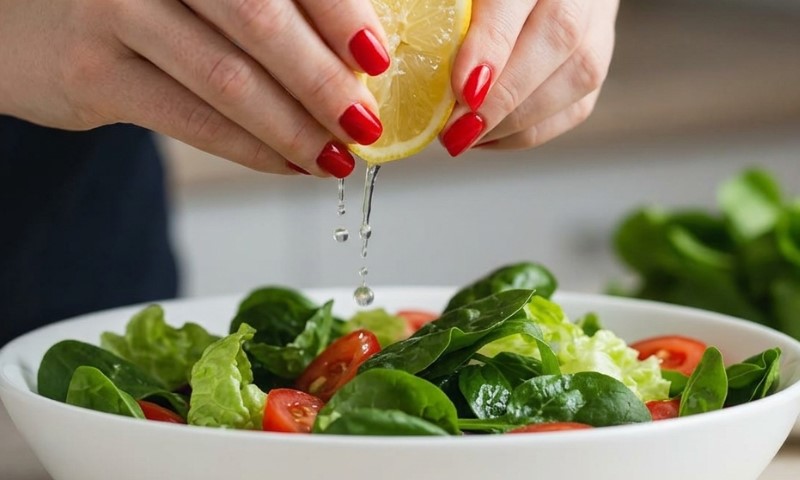
Oranges, lemons, limes, and grapefruits are high in vitamin C. Vitamin C is a key cofactor in collagen formation and helps stabilize collagen molecules.
Citrus fruits do not contain collagen. They help your body make collagen, especially when eaten with protein foods.
Citrus can fit into meals in several easy ways:
- Add lemon or lime juice to water.
- Squeeze citrus over salads.
- Use citrus juice on fish or chicken.
- Add lemon or lime to soups.
- Use citrus juice in marinades.
Citrus works especially well with protein foods such as eggs, chicken, fish, or bone broth.
6. Berries
Strawberries, blueberries, raspberries, and blackberries provide vitamin C and antioxidants. These nutrients support collagen formation and help protect collagen against damage linked to sun exposure and environmental stress.
Berries can support collagen in two important ways:
Vitamin C supports collagen synthesis.
Antioxidants help protect skin against oxidative stress.
Strawberries are especially useful because they are high in vitamin C.
Add berries to yogurt, oatmeal, smoothies, or salads. Pair berries with protein foods such as Greek yogurt, eggs, or nuts for a more balanced snack or meal.
7. Leafy Greens

Spinach, kale, arugula, and other leafy greens provide vitamins, minerals, antioxidants, and chlorophyll-associated compounds. Chlorophyll may increase precursors to collagen in the skin.
Leafy greens can supply several collagen-supporting nutrients:
- Vitamin C
- Antioxidants
- Minerals that support skin and connective tissue health
- Chlorophyll-associated compounds
Add spinach to smoothies. Use kale, arugula, or spinach in salads. Stir greens into soups, omelets, pasta, or grain bowls.
Pair leafy greens with collagen-containing or protein foods such as chicken, fish, eggs, or bone broth for stronger collagen support.
Foods and Habits That May Damage Collagen
Excess sugar and refined carbohydrates can harm collagen through glycation. That process can make skin look duller and less firm.
Smoking is linked with collagen breakdown and premature skin aging. Reducing or avoiding smoking can help protect skin structure.
Too much UV exposure can break down collagen fibers and speed up visible skin aging. Daily sun protection can help protect collagen.
For hair care, topical oils can be part of a broader routine, although they do not replace collagen-supporting nutrition.
Many people also look into uses for castor oil hair when building a scalp or hair-care routine.
Stress may also speed up collagen breakdown. Several everyday habits can help protect collagen health:
- Stay hydrated.
- Get adequate sleep.
- Exercise regularly.
- Eat enough protein.
- Use daily sun protection.
- Choose nutrient-dense foods with vitamin C, zinc, copper, and antioxidants.
A collagen-friendly diet should include protein, vitamin C, zinc, copper, and antioxidants. Those nutrients help your body build, protect, and repair collagen over time.
Summary
A strong collagen-supportive diet combines animal-based collagen sources, protein foods, vitamin C foods, antioxidant-packed vegetables, and mineral-containing foods.
Bone broth, fish, shellfish, chicken skin, cartilage, and connective tissue can provide ready-made collagen.
Eggs provide key amino acids. Citrus fruits and berries provide vitamin C.
Leafy greens, tomatoes, peppers, carrots, and sweet potatoes provide antioxidants and other nutrients. Nuts, seeds, oysters, and garlic add minerals and compounds that help protect collagen.

Hi there, my name is Kelly Barlow and kellytoeat.com is my blog. Here, I write about various recipes I want to reccommend to readers.
I try to find the best possible recipes that can attract the attention of readers, and at the same time, I strive to write it in the most engaging manner possible.
When I was younger, I wanted to become a chef. Sadly, it wasn’t meant to be, but at the very least, I write about it.