
Eggs are a highly nutritious and widely used food, yet their shelf life is often misunderstood.
High-quality protein, essential vitamins, and healthy fats make eggs a staple in many households, yet confusion about freshness often leads to unnecessary waste.
Many consumers rely strictly on carton dates, even though eggs can remain safe past those labels when stored correctly. Refrigeration and proper handling play the most important roles in how long eggs stay safe to eat.
Consistent cold storage slows bacterial growth and preserves internal quality, making storage habits more important than printed dates alone.
Let’s talk about it.
General Shelf Life of Eggs in the Fridge
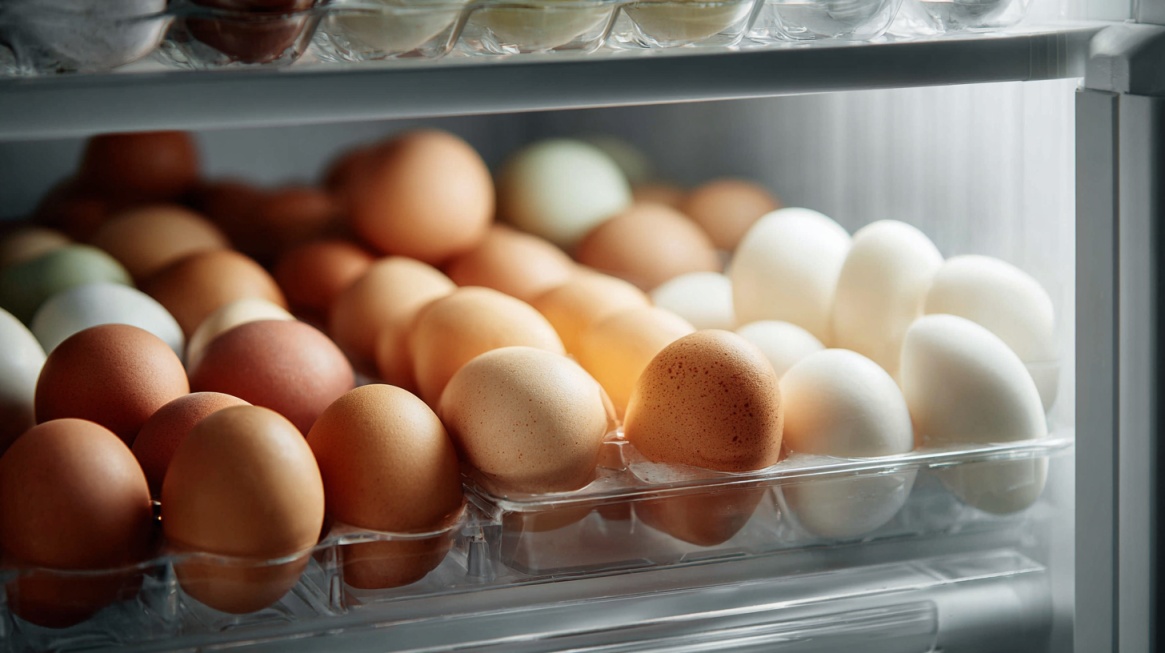
Raw eggs in their shells can last 3 to 5 weeks after the pack date when kept refrigerated at or below 4°C or 40°F. USDA guidance indicates eggs may still be safe 3 weeks after purchase if stored correctly, especially when refrigeration remains stable.
Several key timelines help clarify safe use:
| Egg Type | Shelf Life |
|---|---|
| Raw shell eggs | 3 to 5 weeks after pack date (refrigerated) |
| Hard-boiled eggs | Up to 1 week (refrigerated) |
| Liquid egg products (unopened) | Until expiration date |
| Liquid egg products (opened) | 2 to 4 days (refrigerated) |
Hard-boiled eggs should be eaten within one week, regardless of peeling, since cooking removes natural protection and increases exposure to bacteria. Liquid egg products require careful attention once opened, as exposure to air and contaminants shortens usability.
Consistent refrigeration helps maintain quality and safety, while temperature changes can shorten shelf life by encouraging bacterial growth.
Store-Bought vs Farm-Fresh Eggs
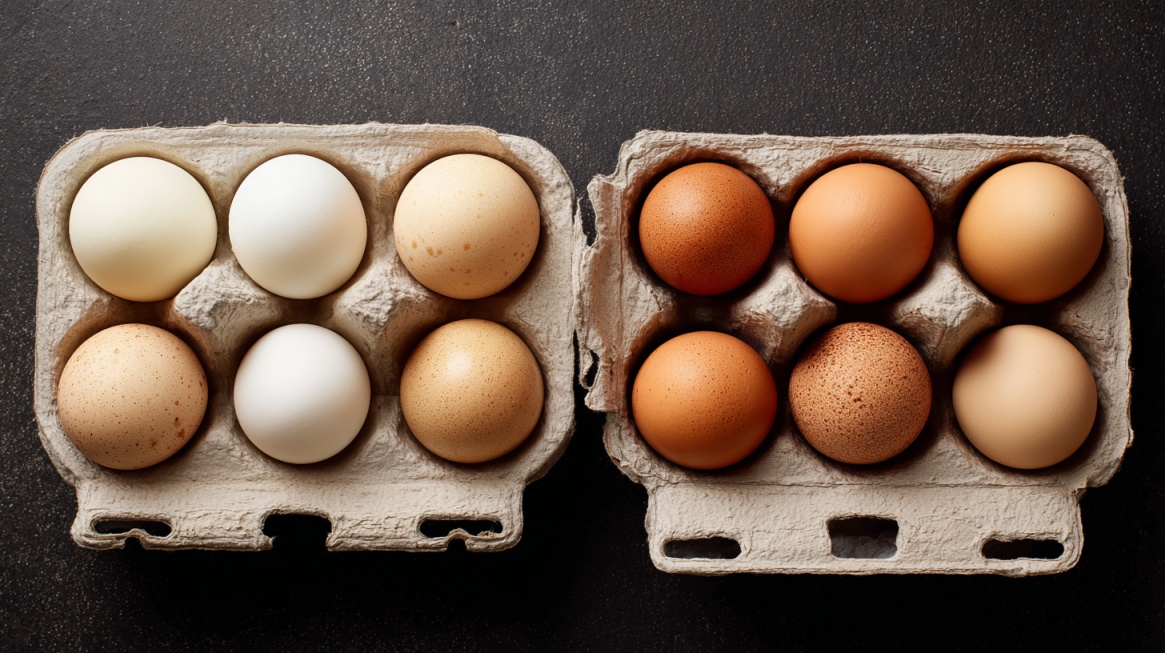
Store-bought eggs go through washing and sanitizing, which removes the natural protective coating known as the bloom. Removal of this coating increases vulnerability to bacteria and moisture loss, making refrigeration essential.
Farm-fresh eggs that remain unwashed still have the bloom, which acts as a barrier against contaminants and slows internal degradation.
- Store-bought: always require refrigeration due to removed bloom
- Unwashed farm: can last longer without refrigeration in some conditions
- Washed farm: require refrigeration similar to store-bought eggs
Refrigerated farm eggs can last several weeks, similar to store-bought eggs. Freshness depends heavily on how quickly they are collected, cleaned, and cooled after laying, since delays increase exposure to bacteria and environmental factors.
Egg Date Labels
Pack date uses a Julian system that marks the day of the year, such as 001 for January 1 and 365 for December 31. This number offers a reliable way to estimate age and freshness when combined with proper storage.
Sell-by dates guide retailers in stock rotation rather than consumer safety decisions. Expiration dates suggest when quality may begin to drop, yet properly refrigerated eggs can remain safe past these markers.
Accurate interpretation of these labels helps prevent unnecessary disposal of usable eggs.
How to Tell if Eggs Are Still Good
Float testing relies on air cell size, which increases over time due to moisture and gas exchange through the shell.
- Sink and lie flat: very fresh
- Stand upright: older but still usable
- Float: likely spoiled and should be discarded
Smell testing provides a direct indicator, since a strong sulfur or rotten odor signals spoilage immediately after cracking.
Visual checks also help confirm quality. Cloudy egg whites indicate freshness due to retained carbon dioxide, while changes in color or appearance can signal problems.
- Pink or green discoloration
- Iridescent or shiny surface on the egg white
- Unusual textures or separation
The presence of any of these signs suggests bacterial contamination and requires disposal.
Factors That Affect Egg Freshness
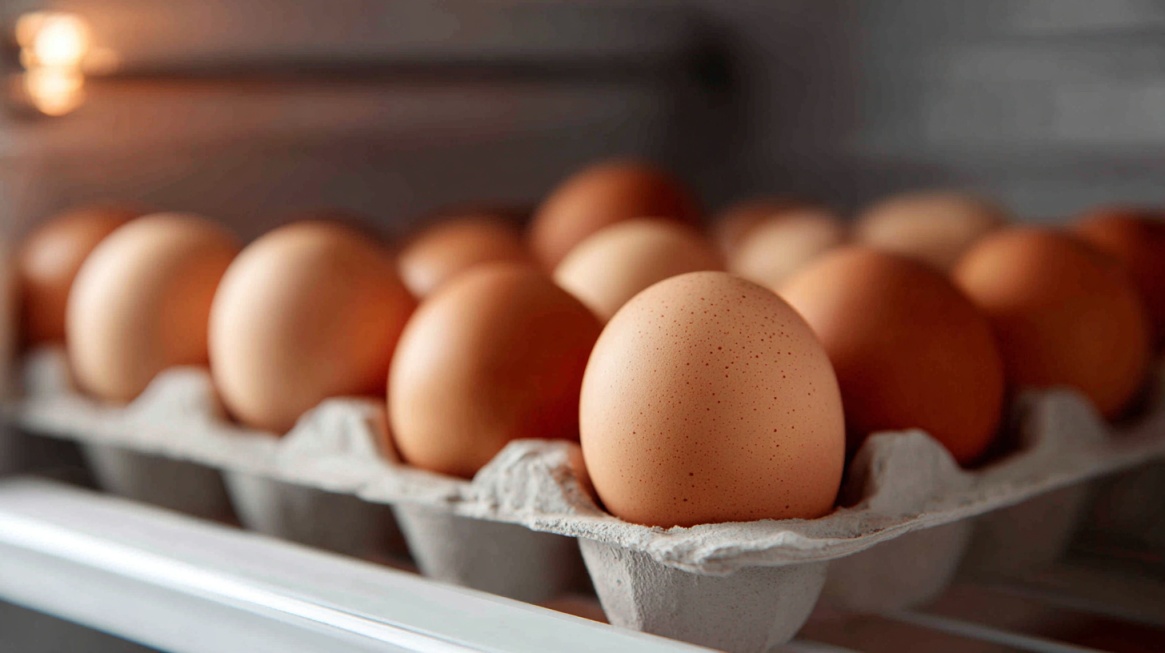
Temperature stability plays a key role, since fluctuations such as storing eggs in a fridge door can speed up spoilage.
Constant cold temperatures slow chemical changes and bacterial growth.
- Temperature changes accelerate spoilage and reduce shelf life
- Air exposure increases moisture loss and enlarges the air cell
- Odor absorption when porous shells allow eggs to take on nearby smells
Aging causes the air cell to grow larger, which affects buoyancy and internal texture. Egg whites become thinner, and yolks flatten over time, reducing structural integrity during cooking.
Be careful and make sure your eggs are not undercooked!
Washing removes the protective bloom, increasing susceptibility to bacteria, especially if they are not stored properly afterward.
The Bottom Line
Eggs can last a long time as a perishable food when stored correctly in a refrigerator.
Many remain safe for weeks after purchase, even if slightly past labeled dates.
Simple freshness checks and proper storage practices help reduce waste and maintain food safety while extending their usable life.

Hi there, my name is Kelly Barlow and kellytoeat.com is my blog. Here, I write about various recipes I want to reccommend to readers.
I try to find the best possible recipes that can attract the attention of readers, and at the same time, I strive to write it in the most engaging manner possible.
When I was younger, I wanted to become a chef. Sadly, it wasn’t meant to be, but at the very least, I write about it.