
There’s a reason many of us reach for the same meals we grew up eating when life feels overwhelming. When I’m tired, stressed, or just feeling a bit off, I almost always find myself craving something familiar, like the chicken soup I had whenever I got sick as a little girl. These dishes are emotionally comforting, and it turns out, they may actually be better for our bodies, too.
How Our Bodies Adapt to Early Diets

It’s fascinating that the way we eat as children can affect how our bodies handle food years later. Although this doesn’t mean we’re stuck eating only one type of cuisine forever, it explains why familiar meals are usually easier on our stomachs.
A big part of this comes down to the gut microbiome, which is the community of bacteria living in our digestive system. What we eat helps shape its composition and function, and it’s especially sensitive in the first two years of life.
When we were born, the microbiota had low diversity, then it gradually became more varied and adult-like over the first 24 months. Breastfeeding is one of the strongest influences on gut microbiome development during infancy, but everything else also counts during that time. This includes traditional family meals, the dirt we played in and even the pets we had. For example, if you grew up eating fermented foods, rice, root vegetables or fiber-rich grains, your gut may be better at handling them today.
Modern Diets Have Caused Us to Eat the Same Few Things
Looking at how we eat today, despite having endless supermarket shelves and food delivery apps, most of us are actually eating the same handful of ingredients. And it’s not just my imagination. Research found that 75% of the world’s food supply comes from only 12 plant and five animal species.
We keep coming back to these because they’re easy to grow on a large scale, making them profitable for businesses. Crops like rice, wheat and corn are everywhere because they’re efficient, not only because they’re the most nourishing. The downside is that many traditional crops are being left behind. Foods like millet, sorghum, quinoa and countless local vegetables are becoming less common. Some are slowly disappearing altogether.
This has a nutritional cost. Many traditional foods contain valuable nutrients that common modern staples don’t provide. Since our diet accounts for 20% of the variation in gut microbiome structure, eating the same thing over and over again can also harm the beneficial bacteria.
Aside from nutrition, modern diets also contribute to environmental problems. When farmers grow the same crop repeatedly — known as monoculture farming — it can wear down the soil and lead to a major biodiversity loss. Plus, losing traditional food and ingredients means losing flavor, family recipes and pieces of cultural history.
The Surprising Benefits of Traditional Food
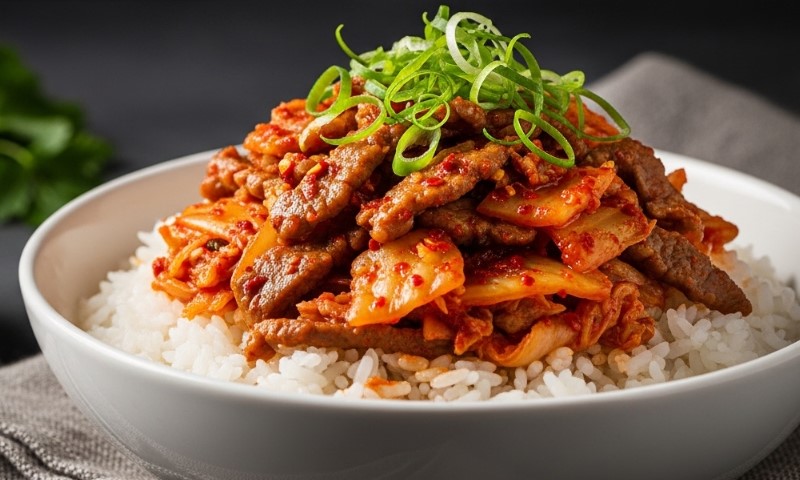
Modern diets are increasingly dominated by ultraprocessed foods, quick snacks and oversized meals that are convenient but not always kind to our bodies. However, returning to the traditional foods we grew up with offers plenty of surprising benefits.
Familiar Foods Can Support Digestion
What a “familiar food” looks like depends on where and how you grew up. For me, it might be oatmeal, bananas, white rice, chicken broth or yogurt. For you, it could be similar or consist of lentils, barley porridge, miso soup or fermented vegetables like kimchi. But when we compare traditional diet vs modern diet in general, it’s clear that traditional ones are almost always healthier.
Highly processed foods in modern diets usually contain preservatives, additives and refined sugars that can upset the gut microbiome. They may feed harmful bacteria, increase inflammation in the gut lining and are low in fiber, which is important for healthy digestion.
Traditional foods, on the other hand, are typically made with simpler ingredients and less heavy processing. They help support healthy gut bacteria and provide prebiotics and nutrients that support digestion.
Traditional Food Contributes to Overall Health
Many traditional meals include vegetables, legumes, whole grains, herbs and fresh proteins that provide vitamins, minerals, antioxidants and dietary fiber. These give us better energy, improve immunity and reduce our risk of chronic diseases like diabetes and obesity. In contrast, experts have found that modern diets and lifestyles have contributed to the rise of chronic disease over the past 75 years.
Of course, not every old recipe is automatically healthy, and not every modern food is bad. But bringing more traditional meals into everyday life can create healthier habits without making food feel like punishment.
Natural Portioning Stops You From Overeating
If we pay close attention to the traditional eating habits we grew up with, we’ll see that many of them naturally use smaller and more balanced portions. Mediterranean meals or traditional Mexican dishes, for example, often include moderate amounts of meat with more vegetables, beans and whole grains. Modern food culture does the opposite. Since the 1970s, portion sizes in many Western countries have grown dramatically, sometimes becoming two to five times larger than they used to be.
Traditional meals also encourage slower eating. We sit down, share food and stop before feeling too full. That gives our bodies time to catch up and recognize fullness instead of eating straight past it.
Better for the Planet and the People Around You
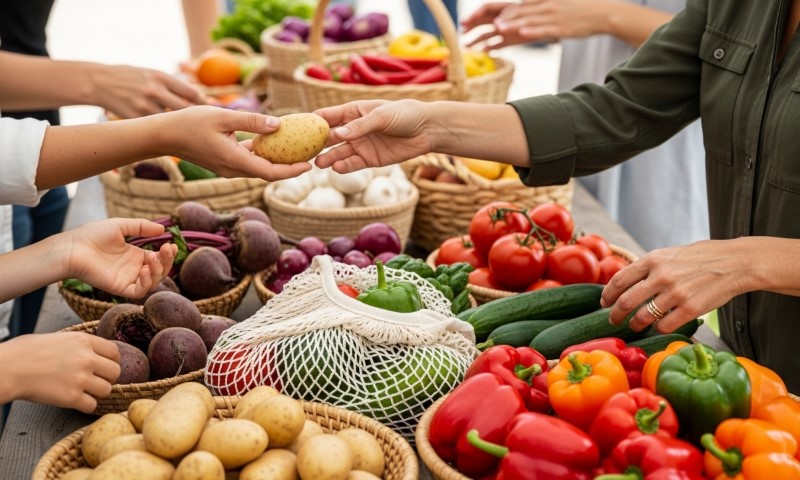
One thing I love about the traditional foods we grew up with is that they usually grow close to home. Local and seasonal ingredients typically travel shorter distances, which means fewer transport emissions and less fuel being used. They also need less plastic and packaging because they’re not being shipped across the country.
Supporting local food also protects farmland and encourages farmers to keep growing a wider variety of crops rather than the same few. It helps people, too. With 30.7 million American small businesses employing half of the private workforce, a strong local market keeps money circulating within the community.
Cultural Food Creates Emotional Comfort, Too
The foods we grew up with are the foods that remind us of childhood, family and celebration, so they bring a sense of safety and calm. A warm soup, a family rice dish, or a dessert your grandmother always made can feel comforting because it reminds you of being cared for.
A 2025 study found that the more nostalgia a food evoked, the more comfort people felt. In the study, participants often remembered times when they felt close to others, and those memories improved their mood.
Full Circle, One Plate at a Time
The conversation around traditional diet vs modern diet is not really about choosing the past over the present. The foods we grew up with are better for our bodies for many reasons, but that doesn’t mean you have to give up everything modern or restrict yourself to only what you ate as a child. Simply remembering what your body already knows and responds well to, then bringing some of those foods back into your routine, can be a good way to improve your health.

Hi there, my name is Kelly Barlow and kellytoeat.com is my blog. Here, I write about various recipes I want to reccommend to readers.
I try to find the best possible recipes that can attract the attention of readers, and at the same time, I strive to write it in the most engaging manner possible.
When I was younger, I wanted to become a chef. Sadly, it wasn’t meant to be, but at the very least, I write about it.