
Ground beef ranks among the most perishable meat products because grinding exposes more surface area to bacteria.
Improper storage can lead to rapid bacterial growth and increase the risk of foodborne illness. Common pathogens linked to ground beef include E. coli and Salmonella, both of which can multiply quickly under the right conditions.
Knowing safe storage timelines helps reduce waste and supports food safety in everyday cooking.
Careful handling at every stage, including transport, storage, and preparation, plays a major role in keeping meat safe.
How Long Ground Beef Lasts in the Fridge
Storage time plays a critical role in food safety and quality. Ground beef requires careful handling because bacteria spread easily during processing.
Raw Ground Beef
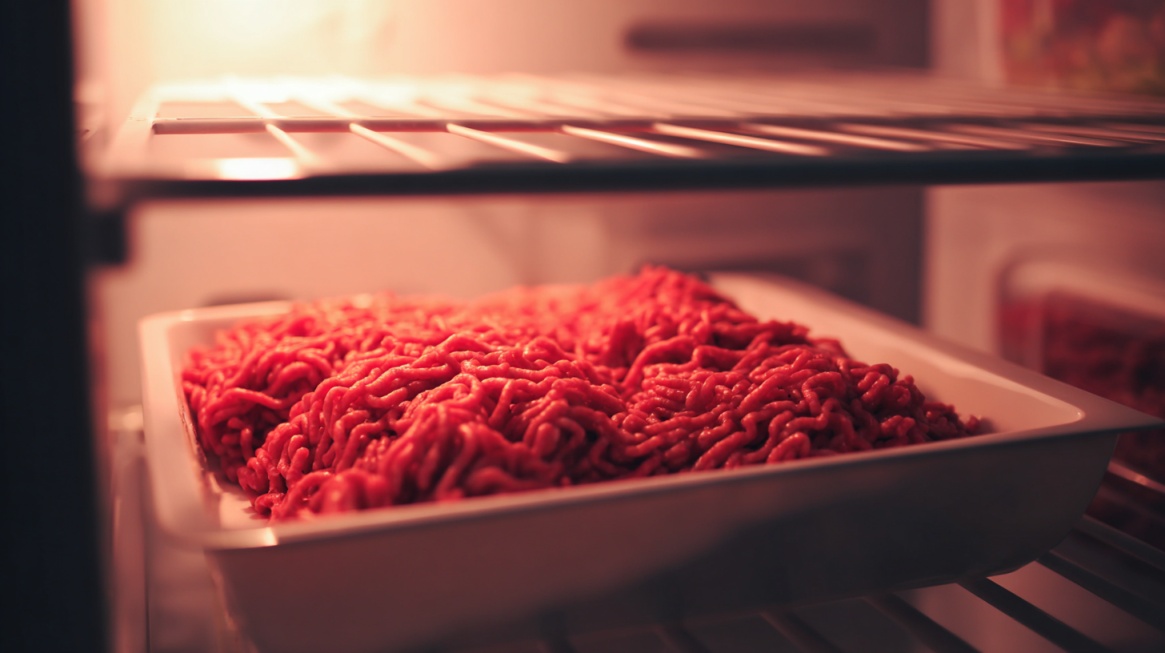
Raw ground beef has a very short lifespan in the refrigerator due to its structure and exposure to bacteria. Refrigeration slows bacterial growth but does not stop it completely, which is why quick use is necessary.
- 1 to 2 days of safe storage at or below 40°F (4°C)
- Use within 1 to 2 days after opening, even if the package date is later
- Vacuum-sealed packaging may last slightly longer before opening, but not after
Pre-packaged ground beef often includes a “sell-by” or “use-by” date. That date helps guide purchase decisions, but once the package is opened, the 1 to 2 day window still applies.
Freshly ground meat purchased the same day may last closer to the full range if kept consistently cold.
Cooked Ground Beef
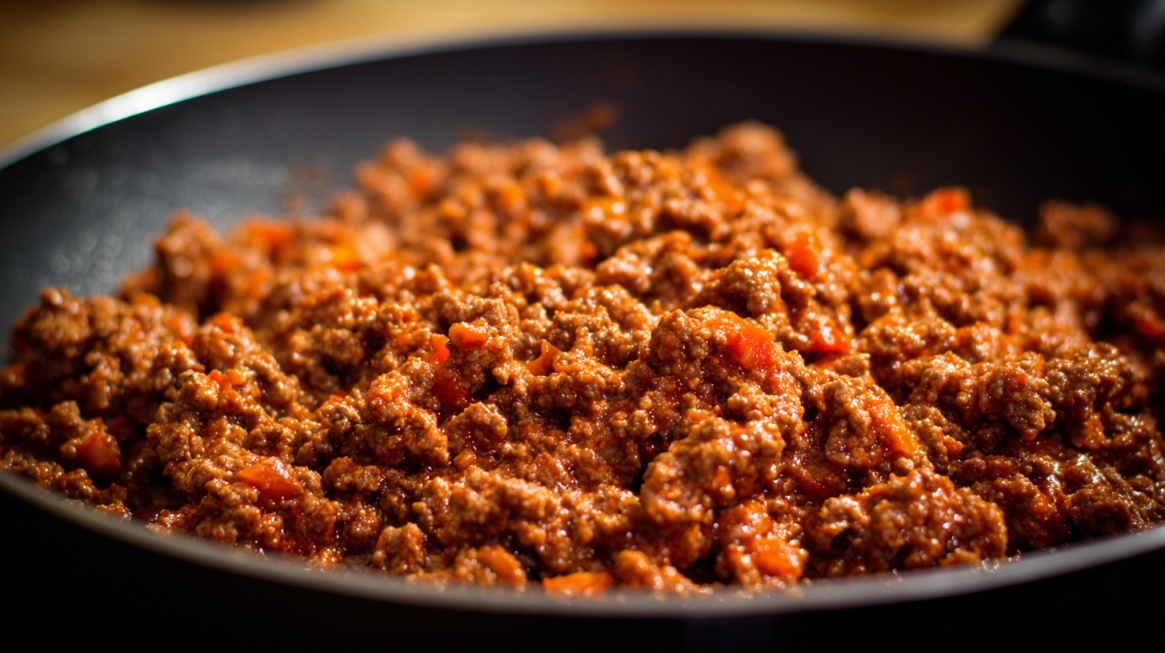
Cooked ground beef lasts longer than raw because heat reduces bacteria during cooking. Proper cooling and storage remain essential to maintain safety.
Bacteria can still grow after cooking if the meat is left at unsafe temperatures for too long.
- Refrigerate within 2 hours after cooking
- Refrigerate within 1 hour if the environment is hot
- Store in shallow, airtight containers to cool faster
Cooked ground beef stays safe for 3 to 4 days in the refrigerator. Shallow containers allow heat to escape quickly, reducing time spent in temperatures where bacteria grow rapidly.
Tight sealing also helps prevent contamination and moisture loss. Large portions should be divided into smaller containers to speed up cooling and maintain quality.
Why Ground Beef Spoils Quickly
Spoilage happens faster in ground beef compared to whole cuts due to structural changes during processing. Grinding distributes bacteria throughout the meat instead of leaving it only on the surface.
Increased exposure to air also accelerates chemical changes that affect smell, texture, and color.
Whole cuts can sometimes be safer because bacteria remain mostly on the outside. Ground beef does not have that advantage, making proper storage and cooking more important.
Faster spoilage also means visual and sensory checks become more important before use.
Factors That Affect Shelf Life
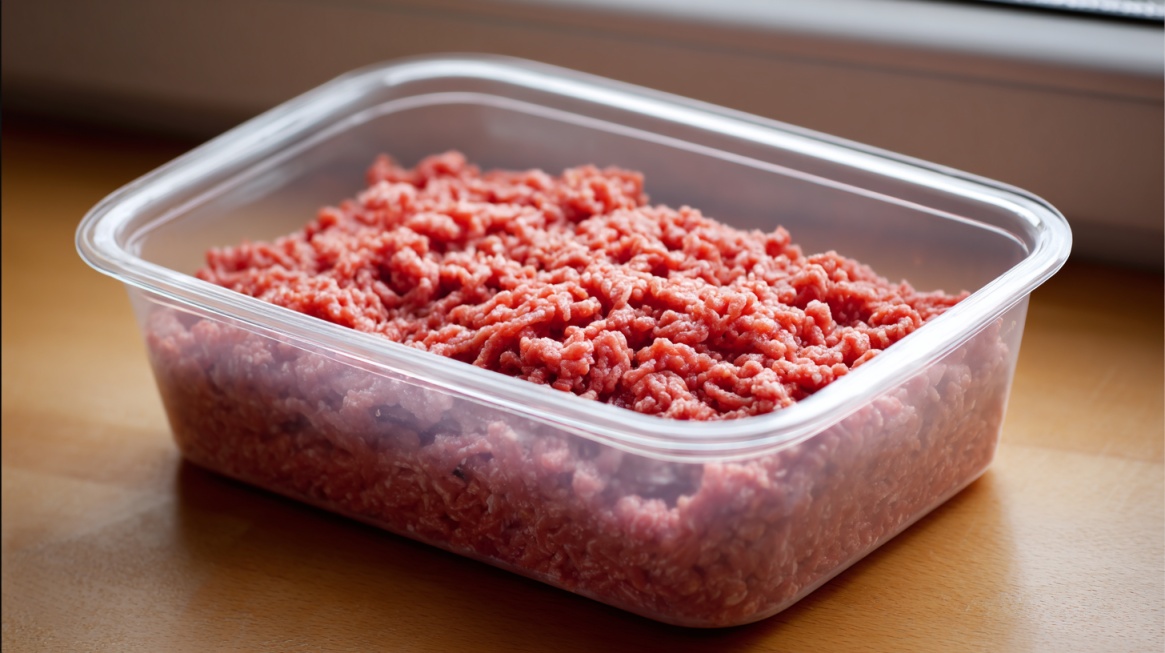
Multiple conditions influence how long ground beef stays safe and fresh. Even small changes can shorten its usable time. Paying attention to these factors can help extend freshness within safe limits.
Temperature
Temperature control remains the most important factor. Bacteria grow quickly when meat is not kept cold enough, between 40 °F – 140 °F. Even brief exposure to warmer temperatures can increase bacterial activity.
- Keep at or below 40°F (4°C) at all times
- Avoid the range between 40°F and 140°F (4°C to 60°C), where bacteria multiply rapidly
Frequent opening of the refrigerator door can cause small temperature increases that reduce shelf life over time. Storing meat deeper inside the fridge helps maintain a more stable temperature.
Packaging
Packaging affects exposure to air and moisture, both of which influence spoilage. Many store packages allow some air inside, which speeds up deterioration.
- Airtight containers to limit oxygen exposure
- Vacuum sealing to slow bacterial growth and oxidation
Rewrapping meat right after purchase can extend freshness within the safe time window. Reducing air contact also helps preserve color and texture.
Freshness at Purchase
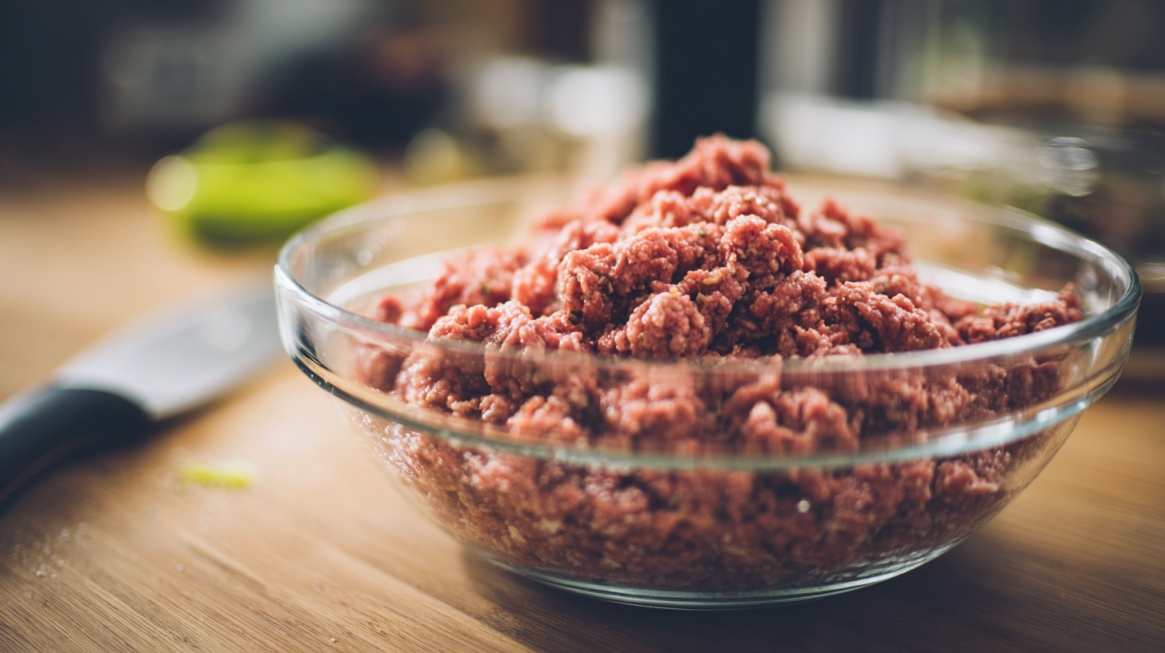
Initial quality plays a major role in how long ground beef lasts at home. Meat that is already close to its sell-by date has less remaining storage time.
Appearance and smell at purchase can provide early clues about freshness.
Ground beef processed the same day offers the longest potential storage within the recommended timeframe. Selecting colder packages in the store also helps maintain quality during transport.
Handling Practices
Handling habits can either preserve or reduce shelf life. Small mistakes can introduce bacteria or raise the temperature, both of which speed up spoilage.
- Leaving meat at room temperature during prep
- Cross-contamination from cutting boards, utensils, or hands
- Repeated temperature changes during transport
Keeping handling time short and maintaining cleanliness helps reduce these risks. Washing hands and sanitizing surfaces before and after contact with raw meat can prevent contamination.
Signs Ground Beef Has Gone Bad
@andreabuckettcooks The more you know #beefrecipes #mealprep #pickthebeefwiththeleaf @Canadian Beef ♬ Walking Around – Instrumental Version – Eldar Kedem
Recognizing spoilage signs helps prevent unsafe consumption. Visual and sensory checks provide important clues, especially when storage time is uncertain.
- Sour, rancid, or ammonia-like odor
- Sticky, tacky, or slimy texture
- Gray or green color throughout the meat
- Presence of mold or unusual discoloration
Fresh ground beef usually appears bright red on the outside. Brown color inside can occur due to limited oxygen, and does not always mean spoilage.
Strong odor or slimy texture signals that the meat should be discarded immediately. When any doubt exists, discarding the meat is the safest decision.
How to Store Ground Beef Properly
Proper storage practices extend freshness within safe limits and reduce contamination risks. Placement and packaging both matter, along with minimizing exposure to air and temperature changes.
- Store on the bottom shelf, where temperatures stay most consistent
- Keep in leak-proof packaging to avoid spreading bacteria
- Use within 1 to 2 days after purchase or opening
Refrigerator doors experience more temperature changes, making them a poor choice for storing meat. Keeping meat sealed also prevents juices from contaminating other foods.
Freezing provides a longer-term option when immediate use is not planned. Ground beef maintains its best quality for 3 to 4 months in the freezer, though it remains safe longer if kept frozen continuously. Lower temperatures slow bacterial activity to a near stop.
- Wrap tightly in plastic wrap, foil, or freezer bags
- Remove as much air as possible to prevent freezer burn
- Label each package with the date for tracking
Freezing slows bacterial activity significantly, making it the most reliable method for extending shelf life. Proper thawing in the refrigerator also helps maintain safety when preparing frozen ground beef.
Summary
Raw ground beef lasts 1 to 2 days in the refrigerator, while cooked ground beef remains safe for 3 to 4 days.
Proper storage, careful handling, and consistent temperature control are essential for safety.
Freezing provides the most effective way to extend shelf life without increasing risk. So, without further ado, if you have beef in your freezer. Better to make some tasty burgers right now than to throw it away in a few days cause it got spoiled.

Hi there, my name is Kelly Barlow and kellytoeat.com is my blog. Here, I write about various recipes I want to reccommend to readers.
I try to find the best possible recipes that can attract the attention of readers, and at the same time, I strive to write it in the most engaging manner possible.
When I was younger, I wanted to become a chef. Sadly, it wasn’t meant to be, but at the very least, I write about it.