
Peanut butter remains one of the most commonly consumed foods worldwide due to its convenience, affordability, and strong nutritional profile. Ongoing debate continues around its impact on health.
High-calorie and fat content often lead to the perception that it contributes to weight gain. At the same time, strong nutrient density supports its reputation as a healthy option.
Peanut butter’s effect on health depends on portion size, level of processing, and overall dietary patterns rather than the food alone.
Nutritional Profile of Peanut Butter
View this post on Instagram
Nutritional composition plays a central role in how peanut butter affects health, weight, and metabolism.
Macronutrients
A typical serving of two tablespoons contains approximately 180 to 200 calories, making portion awareness important. Fat content reaches around 16 grams, with most of that coming from unsaturated fats that support cardiovascular function.
Protein content averages 7 to 8 grams per serving, offering a convenient plant-based option that supports muscle maintenance and satiety. Carbohydrate levels remain relatively low, particularly in natural varieties that avoid added sugar.
Key macronutrient values per standard serving include:
- Calories: 180 to 200
- Fat: about 16 grams, primarily unsaturated
- Protein: 7 to 8 grams
- Carbohydrates: typically 6 to 8 grams, with minimal sugar in natural versions
Micronutrients
Peanut butter also delivers a variety of vitamins and minerals that support essential bodily functions. Vitamin E acts as an antioxidant, helping protect cells against oxidative stress. Magnesium supports muscle contraction and nerve signaling.
Potassium contributes to fluid balance and blood pressure regulation. Niacin plays a key role in converting food into usable energy.
Several micronutrients contribute to daily nutritional needs:
- Vitamin E supports cellular protection
- Magnesium aids muscle and nerve activity
- Potassium assists in maintaining healthy blood pressure
- Niacin supports metabolism and energy production
Additional trace minerals such as zinc and phosphorus further support immune function and bone health.
Caloric Density
Energy density remains one of the most important characteristics of peanut butter. Small amounts deliver a large number of calories, which can be beneficial in controlled portions but problematic when intake increases unintentionally.
Many individuals misjudge serving size, especially when eating directly from a jar or spreading it generously.
Common patterns that lead to excess intake include:
- Using more than two tablespoons without measuring
- Pairing peanut butter with calorie-dense foods like bread or sweets
- Repeated small servings throughout the day that accumulate unnoticed
Awareness of portion size plays a critical role in managing calorie intake.
Health Benefits of Peanut Butter
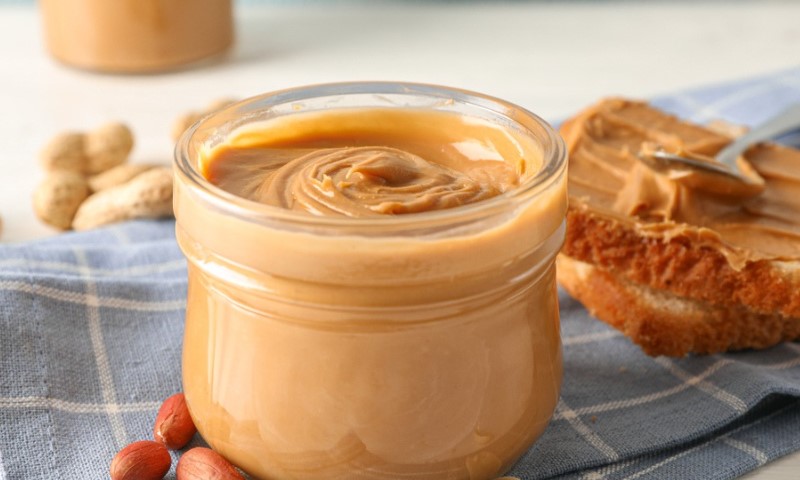
Multiple physiological benefits arise when peanut butter is consumed in appropriate amounts and as part of a balanced diet. Nutrient composition contributes to heart health, appetite regulation, and metabolic stability.
Heart Health
Fat profile in peanut butter supports cardiovascular function. Monounsaturated fats resemble those found in olive oil, which have been associated with improved cholesterol levels.
Regular moderate intake may lead to reductions in LDL cholesterol and increases in HDL cholesterol.
Observed cardiovascular effects include:
- Lower levels of LDL cholesterol
- Higher levels of HDL cholesterol
- Reduced risk factors associated with heart disease
Consistent intake within recommended portions aligns with improved long-term heart health outcomes.
Satiety and Appetite Control
Combination of fat, protein, and fiber slows digestion and promotes sustained fullness. Hunger signals tend to stabilize, reducing the urge to snack frequently. Meals that include peanut butter often result in fewer cravings later in the day.
Mechanisms that contribute to appetite control include:
- Slower gastric emptying
- Increased release of satiety hormones
- Reduced fluctuations in energy levels
Greater satiety can support better control of daily calorie intake.
Blood Sugar Regulation

Low glycemic index allows peanut butter to help maintain stable blood glucose levels. Pairing it with carbohydrate-rich foods can reduce spikes in blood sugar, leading to more gradual energy release.
- Reduced post-meal glucose spikes
- Improved insulin response
- More stable energy levels throughout the day
Such effects make peanut butter a useful addition to meals that include refined carbohydrates.
Gut Health and Bioindividual Response
Individual responses vary based on metabolism, gut microbiome, and overall diet.
Most people experience minimal impact on blood glucose levels after consuming peanut butter. Gradual energy release supports consistent performance and reduced fatigue.
Digestive response tends to include steady absorption of nutrients without rapid fluctuations, which can benefit both energy balance and metabolic stability.
Nutrient Density
High concentration of essential nutrients in a relatively small serving makes peanut butter a valuable addition to many diets. Minimally processed versions maintain more of their natural nutritional profile.
- Delivery of healthy fats, protein, and micronutrients in small portions
- Support for energy needs without large food volume
- Contribution to daily nutrient intake efficiently
Balanced consumption enhances overall dietary quality.
Potential Downsides
Despite multiple benefits, certain factors can limit peanut butter’s positive impact, especially when intake or product quality is not carefully managed.
High Calorie Content
Calorie density can lead to excessive intake if portions are not controlled. Even small daily surpluses can accumulate over time and contribute to weight gain.
- Frequent snacking without portion control
- Adding peanut butter to already calorie-dense meals
- Underestimating serving size
Careful measurement helps prevent unintended calorie excess.
Added Ingredients in Processed Varieties
Many commercial products contain additives that reduce nutritional quality. Added sugars increase total calorie intake and may affect blood sugar regulation.
Ingredients often found in processed options include:
- Added sugars or sweeteners
- Hydrogenated or partially hydrogenated oils
- Excess sodium
Reading labels helps identify healthier options.
Omega-6 Fat Content
Peanut butter contains significant amounts of omega-6 fatty acids. High intake without adequate omega-3 balance may promote inflammation in certain dietary contexts.
Balance between fatty acids remains important for maintaining optimal health. Inclusion of omega-3 sources such as fish, flaxseeds, or walnuts can help maintain equilibrium.
Contaminants and Processing Concerns
Aflatoxins, naturally occurring compounds produced by certain molds, can be present in peanuts. Strict food safety regulations limit exposure and keep levels within safe ranges.
Modern processing and monitoring significantly reduce risk, making commercially available peanut butter safe for regular consumption.
Allergies
Peanut allergies affect a portion of the population and can lead to severe reactions. Even small amounts can trigger symptoms in sensitive individuals.
Avoidance remains essential for those diagnosed with peanut allergies, as exposure can result in life-threatening outcomes.
Peanut Butter and Weight Gain

The relationship between peanut butter and weight gain depends on overall calorie balance rather than the food alone. High calorie density increases the likelihood of consuming excess energy without noticing.
How It Can Be Fattening
Overconsumption often occurs due to taste and ease of eating. Large amounts can be consumed quickly, especially when paired with other calorie-dense foods.
Situations that increase risk of weight gain include:
- Eating directly from the jar without measuring
- Combining peanut butter with sweets or refined carbohydrates
- Frequent snacking that adds extra calories throughout the day
Calorie surplus over time leads to fat accumulation.
Evidence-Based Perspective
Scientific evidence does not support a direct link between peanut butter and weight gain when consumed in moderation. Dietary patterns, physical activity, and total calorie intake determine long-term body weight.
Balanced intake can fit within a healthy eating plan without negative effects on weight.
Summary
Peanut butter offers strong nutritional value and multiple health benefits. Excess intake can contribute to increased calorie consumption and potential weight gain. Moderate consumption supports heart health, satiety, and stable metabolism.
Peanut butter can function as part of a balanced diet or contribute to excess calorie intake. Quantity, ingredient quality, and overall dietary habits determine its impact.

Hi there, my name is Kelly Barlow and kellytoeat.com is my blog. Here, I write about various recipes I want to reccommend to readers.
I try to find the best possible recipes that can attract the attention of readers, and at the same time, I strive to write it in the most engaging manner possible.
When I was younger, I wanted to become a chef. Sadly, it wasn’t meant to be, but at the very least, I write about it.