
Protein snacks such as protein popcorn, chips, and puffs are expanding quickly in grocery stores and online marketplaces. Brands promote higher protein content, improved nutrition profiles, and low-carb positioning to attract shoppers looking for better snack options.
Packaging often features bold numbers and fitness-focused messaging designed to signal strength and smart choices.
Marketing language frequently includes phrases like high protein, keto-friendly, and packed with power.
Such claims can create a health halo effect that makes products seem more nutritious than they actually are.
A closer look at ingredient lists and nutrition panels often tells a more complicated story. Let us do just that.
How Much Protein Are You Really Getting?
| Daily Value (DV) for Protein | 50 grams per day | Based on a 2,000-calorie diet |
| High Protein Claim Threshold | 10% to 20% DV | Required to qualify as “high protein” |
| Typical Protein per Serving (Puffs) | 5 to 10 grams | Equals 10% to 20% DV |
| 5 Grams of Protein | 10% DV | Per 50-gram daily standard |
| 10 Grams of Protein | 20% DV | Per 50-gram daily standard |
| Average Adult Daily Intake | 60 to 100 grams | Often met through regular meals |
| Example Protein Puff Serving (Protein) | 7 grams | Common labeled amount |
| Example Protein Puff Serving (Calories) | 150 to 200 calories | Per serving |
| Calorie to Protein Ratio (Example) | ~25 calories per gram | Based on 7 grams of protein and 180 calories |
Protein content often acts as the main selling point for puffs and similar snacks. Large numbers on packaging can make a product seem like a serious source of nutrition. Actual contribution to daily needs deserves a closer look.
Snacks labeled high protein typically meet regulatory standards by providing at least 10% to 20% of the Daily Value for protein. In practical terms, that usually equals about 5 to 10 grams per serving. That amount may sound impressive for a chip-style product, yet context matters.
For reference, the current Daily Value for protein is 50 grams per day based on a 2,000-calorie diet.
An extra 5 to 10 grams in a snack may not significantly change overall intake for someone already meeting needs through breakfast, lunch, and dinner.
Front of package claims often display protein content in bold print, while calories, sodium, and ingredient details appear in smaller text. A product containing 7 grams of protein may still carry 150 to 200 calories and a notable amount of sodium. Reading the full Nutrition Facts panel provides a clearer picture of tradeoffs.
Calorie-to-protein ratio offers another useful comparison. A snack with 7 grams of protein and 180 calories delivers about 25 calories per gram of protein. Greek yogurt or cottage cheese often provides more protein per calorie, making them more efficient protein sources.
@megans_mukbangs protein puffs from aldi #fyp #foryou #mukbang ♬ original sound – megans mukbangs
Protein Quality Matters
Protein quantity tells only part of the story. Quality and food matrix influence how that protein supports muscle repair and satiety.
Many protein puffs rely on isolated proteins such as pea protein isolate or soy protein isolate. Isolates are processed to concentrate protein while removing much of the fiber and other natural compounds present in whole legumes.
That refinement increases protein percentage but reduces overall nutritional value.
- Pea flour
- Chickpea flour
- Lentil flour
- Soy protein isolate
Products built around whole legume flours may retain more fiber and micronutrients than those dominated by purified isolates and starches.
Satiety depends on more than protein alone. Fiber slows digestion, and healthy fats add staying power. A puff made largely of refined starch and isolated protein may digest quickly, leading to hunger returning sooner compared with whole foods that contain intact fiber and balanced macronutrients.
A snack providing 8 grams of protein but minimal fiber may not keep someone full as long as a handful of nuts that combines protein, fiber, and unsaturated fats.
Better Than Chips But By How Much?
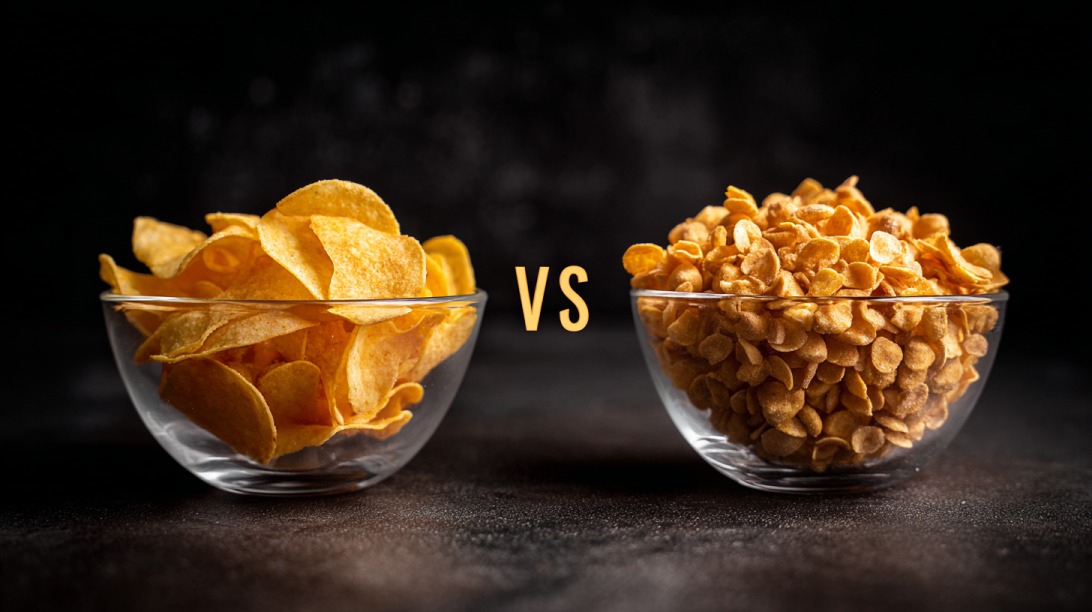
Comparison with traditional chips often appears in marketing. Lower fat and higher protein can position puffs as a smarter option. Differences exist, yet the magnitude varies by brand and formulation.
Calories, Fat, and Processing
Baked protein puffs are generally lower in fat and calories than fried potato chips. Frying requires immersion in hot oil, which significantly increases fat content. Baking uses heat expansion to create texture, which can reduce overall fat.
- Fried potato chips often contain 9 to 10 grams of fat per 1-ounce serving
- Baked protein puffs may contain 4 to 6 grams of fat per serving
- Calorie counts for both commonly range between 130 and 200 per serving
Reduced fat does not automatically mean low calorie. Added oils and flavorings still contribute energy. Ingredient lists may include sunflower oil, canola oil, or palm oil along with powdered seasonings.
Processing level also deserves attention. Protein puffs are typically extruded under high heat and pressure, then shaped and coated with flavorings.
Minimally processed foods undergo fewer transformations before reaching the consumer.
Sodium and Additives
Flavor intensity often relies on salt and seasoning mixes. Sodium content in many protein puffs remains substantial.
- 200 to 350 milligrams in wide-flavored varieties
- Higher totals if multiple servings are consumed at once
Dietary guidelines suggest limiting sodium intake to about 2,300 milligrams per day for most adults. A single snack providing 300 milligrams contributes more than 10 percent of that limit.
Artificial flavors, preservatives, and emulsifiers frequently appear in ingredient lists. Additives may improve shelf life and texture, yet frequent intake of highly processed snacks can crowd out nutrient-dense choices.
Perception of health based solely on protein content can obscure these factors.

Health Halo of High Protein Marketing
Protein claims can create a powerful psychological effect. A snack labeled high protein may feel more responsible or fitness-oriented, even if calorie and sodium levels remain similar to traditional chips.
- Low saturated fat
- Low sodium
- Minimal processing
- Absence of additives
Calories, ingredient quality, and portion size still determine overall impact on health.
Adding an isolated protein to a snack does not automatically transform it into a nutrient-dense food. Ultra-processed protein ingredients often lack fiber, vitamins, and phytonutrients found in whole legumes, dairy, eggs, or lean meats.
Health halo effects may also influence portion size. People sometimes eat larger quantities of foods perceived as healthier. That behavior can offset potential advantages in protein content.
Careful label reading and realistic portion sizes help counteract these tendencies.
Baked Puffs vs. Whole Foods and Better Alternatives
Comparison with whole food snacks provides a useful perspective. Ingredient lists offer important clues about overall quality.
Products that list pea flour, lentil flour, or chickpea flour near the top may offer more whole food-based nutrition than those dominated by protein isolates and refined starches. Specific naming of protein sources is preferable to vague terms such as protein blend.
- Multiple oils
- Added sugars
- Artificial flavors
- Preservatives or stabilizers
Shorter lists with recognizable foods generally indicate less processing.
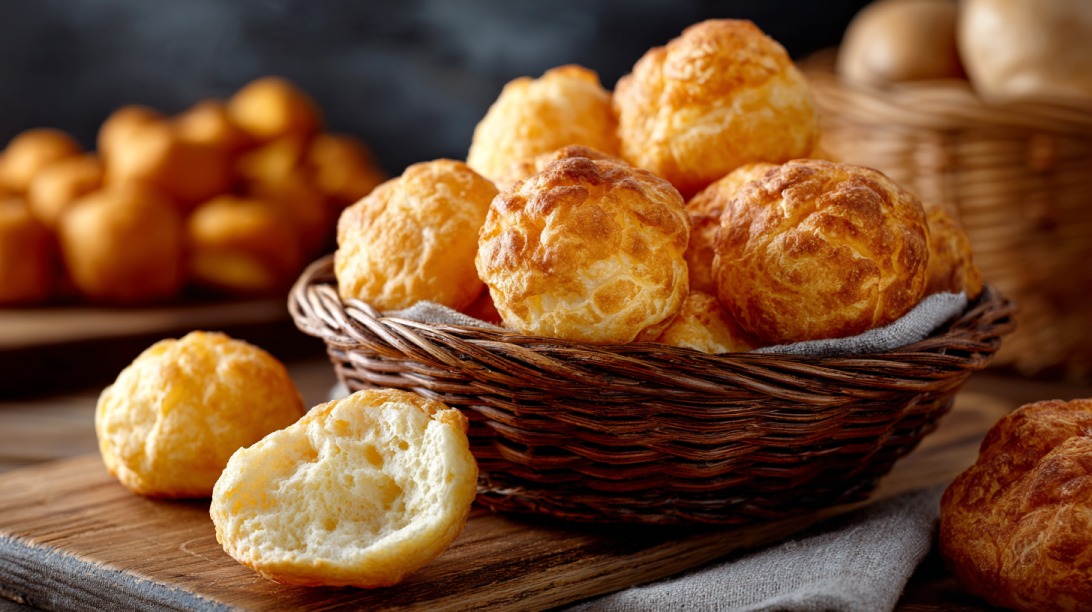
Whole Food Snacking Alternatives
Whole foods can deliver protein along with additional nutrients that support long-term health.
- Roasted chickpeas, which provide protein and fiber in a minimally processed form
- Greek yogurt and cottage cheese, which supply high-quality protein and calcium
- Nuts, which contain protein, fiber, and heart-healthy fats
- Boiled eggs, which combine protein with essential vitamins and minerals
Such options often produce greater satiety due to their intact structure and balanced macronutrient profile. Blood sugar control may also improve when snacks contain fiber and healthy fats in addition to protein.
Processed puffs may fit into a balanced eating pattern, yet whole food choices typically contribute broader nutritional value.
When Protein Puffs Fit and When They Do Not
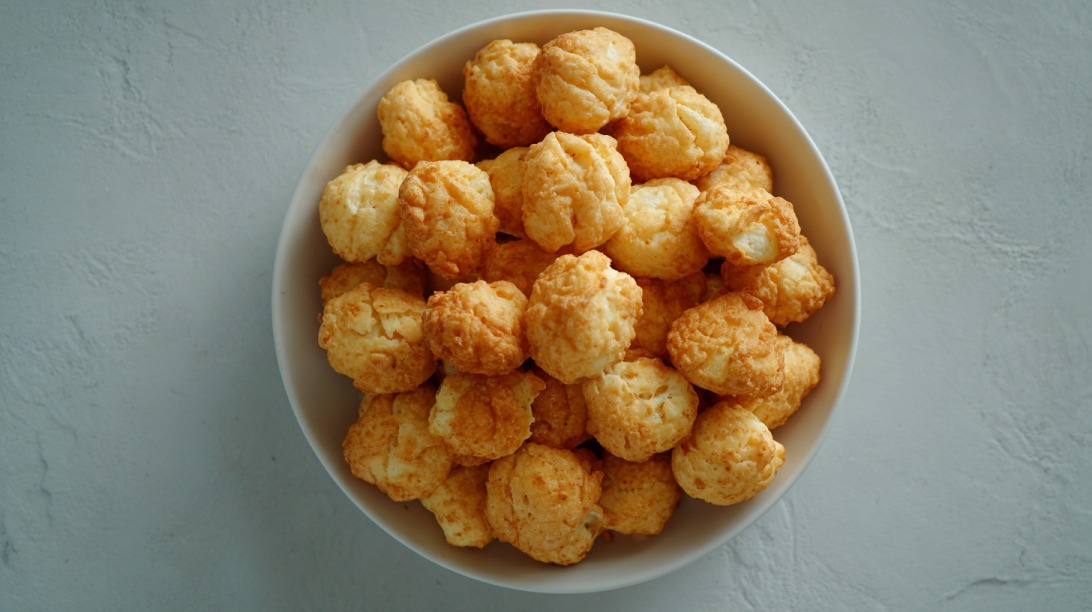
Context matters when deciding how often to include protein puffs in a diet.
Situations Where They Can Help
Active adults and athletes often require higher protein intake to support muscle repair and training demands. Portable, shelf-stable snacks can provide convenience in busy schedules.
- More protein than standard chips
- Lower sugar than many sweet snack bars
- Easier transport compared with perishable foods
Occasional use as a substitute for fried chips can modestly improve macronutrient balance, particularly if the product is baked and moderate in sodium.
Situations Where They Fall Short
Many individuals already meet protein needs through balanced meals that include meat, poultry, fish, dairy, legumes, and grains. Additional processed protein snacks may not offer a significant benefit.
- Higher sodium intake
- Greater exposure to additives
- Reduced consumption of fiber-rich whole foods
Over time, that pattern may reduce overall diet quality.
Portion Control and Consumption Patterns
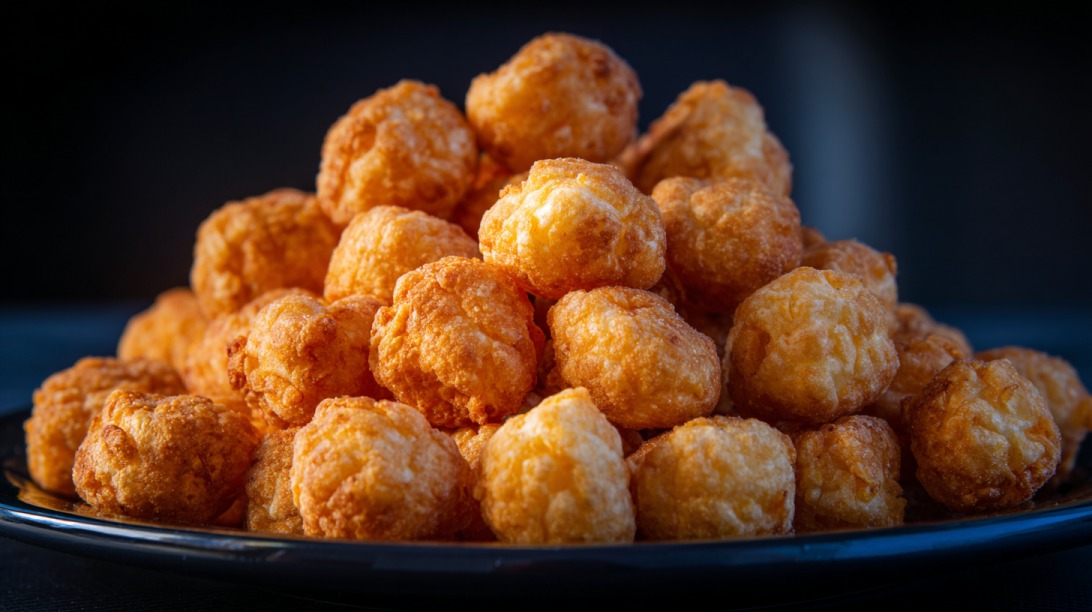
Texture and light structure make protein puffs easy to eat quickly. A listed serving size may appear small compared with the volume in the bag.
- Eating directly from a large bag
- Consuming two or three servings in one sitting
- Underestimating total calories and sodium
Doubling a 150-calorie serving turns a light snack into a 300-calorie intake. Sodium content also multiplies accordingly.
Portion awareness plays a critical role in making these snacks fit into daily goals. Measuring a serving occasionally, placing snacks in a bowl instead of eating from the package, and pairing puffs with fiber-rich foods such as vegetables can help maintain balance.
Reading labels carefully ensures that protein puffs align with overall calorie and nutrient targets rather than
Summary
Protein puffs can offer more protein and sometimes less fat than traditional fried snacks, especially when baked. Processed nature, sodium content, and ingredient quality still matter.
Health value depends on protein source, level of processing, added oils, and total diet context.
Prioritizing whole protein sources such as legumes, dairy, eggs, nuts, and lean meats provides broader nutritional benefits.
Protein puffs can function as a convenient snack at times, yet whole foods remain a stronger foundation for long term health.

Hi there, my name is Kelly Barlow and kellytoeat.com is my blog. Here, I write about various recipes I want to reccommend to readers.
I try to find the best possible recipes that can attract the attention of readers, and at the same time, I strive to write it in the most engaging manner possible.
When I was younger, I wanted to become a chef. Sadly, it wasn’t meant to be, but at the very least, I write about it.