
Traditional cow’s milk contains about 11 to 12 grams of carbohydrates per cup. That amount can quickly use up a large portion of your daily carb allowance on a low-carb or keto diet. Many low-carb plans limit total daily carbohydrates to around 20 to 50 grams.
One single glass of regular milk can make it much harder to stay in ketosis.
Low-carb milk options make it easier to enjoy cereal, coffee, and smoothies without pushing carb intake too high.
Unsweetened plant-based milks typically contain around 1 gram of net carbs per cup, which is a significant difference compared to dairy milk.
What I will do today is focus on low-carb milk products that I actually buy and use regularly. Every option listed fits into a low-carb lifestyle and supports staying in ketosis without sacrificing taste or texture.
How I Choose Milk Alternatives
Net carb count is my top priority when choosing low-carb milk. Unsweetened versions are essential. Sweetened plant milks can contain 10 or more grams of carbs per cup, which is similar to regular dairy milk and not ideal for keto.
Taste and texture matter just as much. Some options work better in coffee, while others taste better with cereal or in smoothies. Texture can vary a lot, especially with nut and seed-based milks.
Nutritional content also plays a role in my decision. Pea protein milk provides around 8 grams of protein per cup, which helps support daily protein goals. Macadamia and coconut milk options contain higher fat content, which helps meet keto macros.
Fortified versions often include added vitamin D and calcium, making them closer nutritionally to dairy milk.

My Favorite Low-Carb Milks and Why I Buy Them
| Milk Type | Approx. Net Carbs | Notes |
|---|---|---|
| Almond Milk | ~1 g | Light flavor, versatile |
| Macadamia Milk | ~1 g | Creamy, rich |
| Flax Milk | ~1 g | Nut-free option |
| Coconut Milk (carton) | <1 g | Creamy, tropical |
| Heavy Whipping Cream | ~0 g (per serving) | Rich, use diluted |
| Pea Protein Milk | ~0 g | High protein |
| Hemp Milk | ~1 g | Omega-rich |
Low-carb milk options make daily meals much easier on a keto or low-carb plan. Carb count, texture, protein, and fat content all influence my decision at the store. Each option below earns a spot in my kitchen for a specific reason.
1. Unsweetened Almond Milk
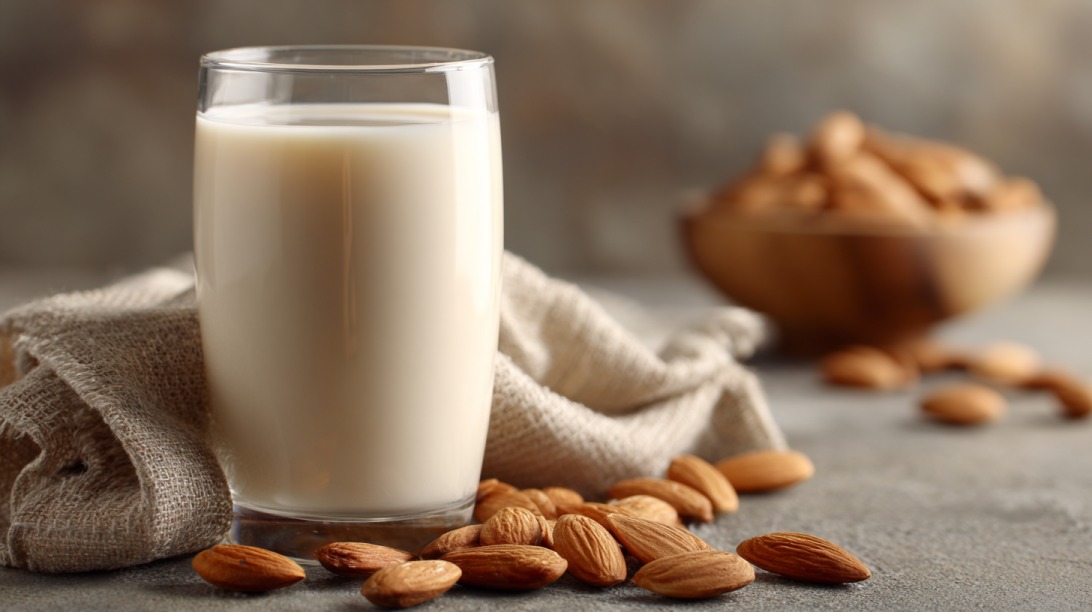
Unsweetened almond milk is one of my regular staples. Most brands contain about 1 gram of net carbs per cup. That makes it one of the most practical low-carb milk choices for everyday use.
- About 1 gram of net carbs per cup when unsweetened
- Very low calorie count compared to dairy milk
- Often fortified with vitamin D and calcium
Taste is mild and neutral, so it works well in cereal, smoothies, coffee, and protein shakes. Texture is light but still smooth enough for most recipes. Cost is usually affordable compared to other nut milks, which makes it easy to keep stocked at all times.
2. Unsweetened Macadamia Nut Milk
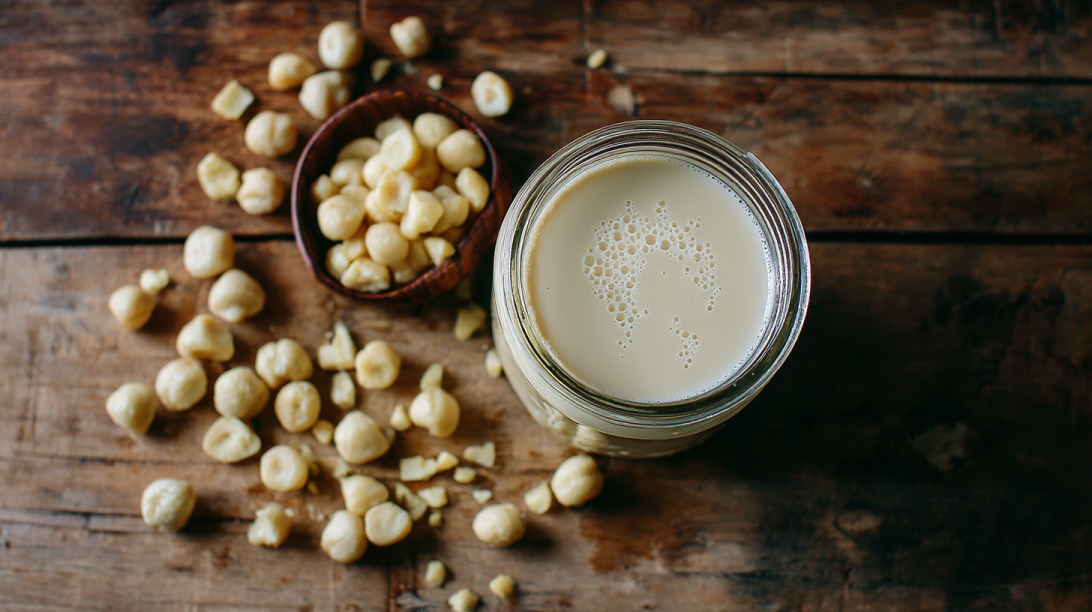
Unsweetened macadamia nut milk contains around 1 gram of net carbs per cup. Creamy consistency makes it one of the most satisfying low-carb milk options for coffee.
- Around 1 gram of net carbs per cup
- Higher fat content than almond milk
- Smooth, buttery flavor
Fat content supports keto macro goals, especially on higher-fat days. Flavor has a slightly buttery note that works very well in lattes, creamy soups, and sauces.
Price is higher than almond milk, but texture and mouthfeel justify the cost when creaminess matters most.
3. Unsweetened Flax Milk
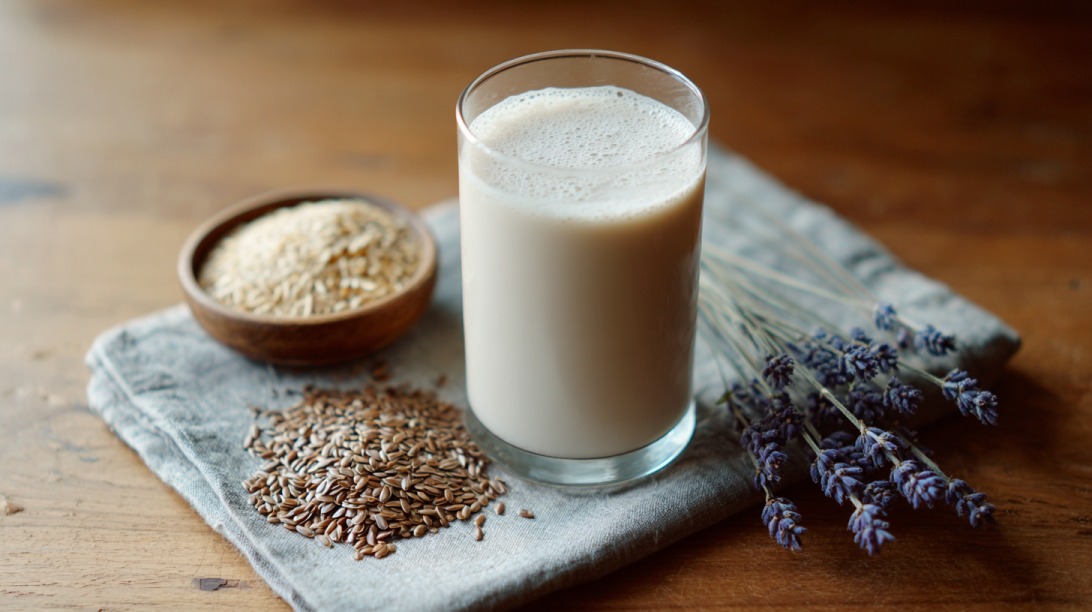
Unsweetened flax milk provides about 1 gram of net carbs per cup. Nut-free formula makes it a reliable low-carb milk for anyone avoiding tree nuts.
- About 1 gram of net carbs per cup
- Fortified with vitamins and minerals
- Contains omega-3 and omega-6 fatty acids
Texture is lighter than macadamia or coconut milk. That lighter consistency works best in smoothies, cereal, or cold drinks. Flavor is subtle, so it does not overpower other ingredients.
4. Unsweetened Coconut Milk in a Carton
Unsweetened coconut milk in cartons often contains less than 1 gram of carbs per cup. That places it among the lowest carb options in the low-carb milk category.
- Less than 1 gram of carbs per cup in many unsweetened versions
- Higher fat content than almond or flax milk
- Contains healthy fats associated with anti-inflammatory benefits
Creamy texture works very well in coffee, sauces, and baked goods. Slight tropical flavor pairs especially well with smoothies, chia pudding, and keto desserts. Consistency is thicker than almond milk, so it adds more body to recipes.
5. Heavy Whipping Cream

Heavy whipping cream is not technically milk, yet it functions as an ultra-low-carb substitute in small servings. Carbohydrate content is close to zero per tablespoon, which makes it a favorite on strict keto plans.
- Near-zero carbs per serving
- Very high fat content
- Contains calcium and vitamin A
High fat content supports ketosis and increases satiety. Many people add a splash to coffee or use it for keto bullet coffee. Mixing heavy cream with water can create a milk like consistency for certain recipes. Portion control is essential due to calorie density.
6. Unsweetened Pea Protein Milk
@the.baby.dietitian As requested, ripple pea protein milk review from a pediatric dietitian. What questions? #fyp #pediatricdietitian #dietitian #startingsolids #toddlereats #toddlerpickyeating ♬ original sound – Cindy S. RD, IBCLC
Unsweetened pea protein milk is one of my top picks when protein intake needs a boost. Many brands contain about 8 grams of protein and less than 1 gram of carbs per cup.
- Around 8 grams of protein per cup
- About 1 gram total carbs, often close to 0 grams net carbs
- Lactose-free, gluten-free, and soy-free
Texture is creamy and similar to dairy milk, which makes it ideal for shakes and post-workout drinks. High protein content supports muscle maintenance while keeping carbs extremely low. Allergy-friendly formula adds another advantage for households with dietary restrictions.
7. Unsweetened Hemp Milk
Unsweetened hemp milk contains around 1 gram of carbs per cup. Plant-based profile adds healthy fats without increasing carb intake.
- About 1 gram of carbs per cup
- Contains omega-3 and omega-6 fatty acids
- Fortified versions can contain more calcium than dairy milk
Texture is light with a slightly nutty flavor. Hemp milk works well in cereal, smoothies, and light sauces. Rotating hemp milk into a low-carb milk routine adds variety while keeping macros consistent.
What I Learned from Taste Tests
Taste and texture can vary significantly across brands. Performance in coffee, cereal, and smoothies often depends on thickness and flavor intensity.
- About 8 grams of protein per cup
- Around 1 gram total carbs
- Close to 0 grams net carbs
Creaminess makes it great for cereal and shakes. Frothing ability is weaker, so it is not my first choice for specialty coffee drinks.
Blue Diamond Unsweetened Almond Milk remains my overall favorite low-carb milk. It contains about 1 gram of net carbs per cup. Flavor is smooth and neutral. Froths well and works consistently in cereal, coffee, and protein shakes.
Califia Farms Toasted Coconut Almond Milk has a thicker texture that works very well in smoothies. Flavor is slightly sweet and more noticeable, which makes it less suitable for coffee or plain cereal.
Milkadamia Unsweetened Milk delivers strong creaminess, yet flavor can be overpowering in delicate recipes.
Malibu Mylk flax milk is shelf-stable and convenient, but the texture and taste were less enjoyable compared to other low-carb milk options tested.
Tips Before You Buy
View this post on Instagram
Choosing the right low-carb milk requires careful label reading and a clear plan for how it will be used.
Sweetened plant milks can contain 10 or more grams of carbs per cup. That amount is similar to dairy milk and can quickly disrupt ketosis. Always choose unsweetened versions.
- Total carbohydrates per cup
- Fiber content to calculate net carbs
- Added sugars
- Protein and fat content
Marketing claims like keto-friendly do not guarantee low net carbs. Numbers on the nutrition panel matter more than front label claims.
Usage also plays a role in selection. Creamy options like macadamia or coconut milk work best in coffee and sauces. Lighter options like almond or pea protein milk are versatile for cereal and smoothies. High fat needs can be met with heavy cream or full fat coconut milk.
Summary
Low-carb milk makes it possible to enjoy cereal, coffee, smoothies, and recipes without consuming the 11 to 12 grams of carbs found in a cup of regular dairy milk.
Unsweetened almond milk and pea protein milk are my everyday staples due to low net carbs and versatility. Macadamia and coconut milk are great choices when a creamier texture is needed.
Switching to low-carb milk options supports ketosis, helps control carb intake, and still allows flexibility in meals and drinks throughout the day.

Hi there, my name is Kelly Barlow and kellytoeat.com is my blog. Here, I write about various recipes I want to reccommend to readers.
I try to find the best possible recipes that can attract the attention of readers, and at the same time, I strive to write it in the most engaging manner possible.
When I was younger, I wanted to become a chef. Sadly, it wasn’t meant to be, but at the very least, I write about it.