
Keto and paleo are popular eating styles often used for weight loss, metabolic health, and cleaner eating.
Both reduce processed foods, grains, legumes, and added sugar, but they work in different ways.
Keto is a low-carb, high-fat diet built around ketosis. Carb intake stays low, so the body produces ketones and uses more fat for fuel.
Paleo is a whole-foods eating pattern based on foods linked to hunter-gatherer diets. Food quality matters more than exact macronutrient targets.
Main difference: keto focuses on high fat and very low carbs, while paleo focuses on whole foods, food sourcing, and avoiding modern processed foods.
Shared Principles Between Keto and Paleo

Keto and paleo both encourage whole, nutrient-dense foods. Common foods include:
- Meat
- Fish
- Eggs
- Vegetables
- Nuts
- Seeds
- Olive oil
- Avocado oil
- Coconut oil
- Fish-based fats
Both diets usually avoid:
- Grains
- Legumes
- Added sugars
- Ultra-processed foods
- Trans fats
- Heavily processed fats
- Industrial snack foods
Both eliminate grains and legumes, but for different reasons.
Paleo avoids grains and legumes because they do not fit the hunter-gatherer food pattern and may contain antinutrients such as lectins and phytates.
Keto avoids most grains and legumes because they are high in carbohydrates and can interfere with ketosis.
Added sugar is limited on both diets. Paleo may allow raw honey, maple syrup, coconut sugar, or raw stevia in small amounts. Keto usually avoids both refined and natural sugars because of carb content.
Key Differences Between Keto and Paleo
Keto aims to achieve and maintain ketosis through carb restriction.
Paleo aims to support whole-food eating based on a Paleolithic-style food pattern.
Keto is based on macronutrient distribution. Paleo is based on food quality, food categories, sourcing, exercise, mindfulness, and wellness habits.
Carbohydrates
Keto is very low carb. It restricts most fruits, starchy vegetables, sweeteners, grains, and legumes.
Paleo allows whole-food carbohydrates such as fruits, vegetables, sweet potatoes, and natural sweeteners.
Paleo can be higher in carbs because it does not require strict macro limits. Keto requires carbs to stay low enough for ketosis.
Keto may limit even nutrient-dense carb foods if they exceed daily carb targets.
Dairy
Keto allows some high-fat dairy when it fits carb and calorie goals. Common options include:
- Cheese
- Heavy cream
- Butter
- Ghee
- Unsweetened full-fat yogurt
Paleo usually avoids dairy. Some versions allow grass-fed butter or ghee, but most paleo plans exclude milk, cheese, yogurt, and cream.
Interestingly enough, hydrolyzed bovine collagen peptides can fit both keto and paleo when they are dairy-free, unflavored, low in carbs, and made without added sugar.
Although bovine collagen comes from cattle, it is not a dairy food, so it can work as a protein add-in for coffee, shakes, smoothies, or recipes without changing the basic dairy rules for either diet.
Soy
Keto can allow some soy foods, such as tofu or tempeh, if they fit macro goals.
Paleo avoids soy because soy is a legume. Soy milk, tofu, tempeh, edamame, and soy protein are usually excluded.
Flexibility
Keto is more rigid because carb intake must stay low enough to maintain ketosis.
Paleo is usually more flexible because it focuses on food quality instead of exact macros.
Paleo is often easier to maintain long term because it allows more fruits, vegetables, and whole-food carbohydrates.
Meal Structure Comparison
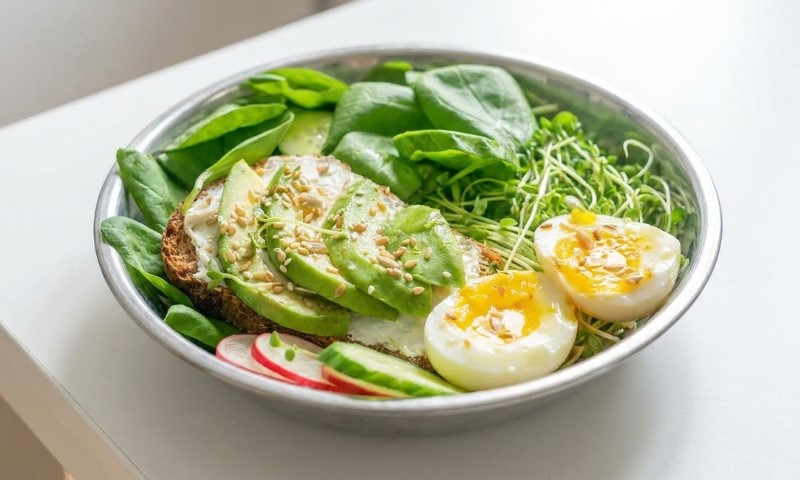
Keto and paleo can look similar at first because both cut many processed foods. Main differences appear in their goals, carb rules, dairy rules, soy rules, and long-term flexibility.
Keto Meal Structure
Keto meals are built around:
- High fat
- Moderate protein
- Very low carbs
Common keto plate:
- Protein source
- High-fat ingredient or sauce
- Low-carb vegetable
- Optional high-fat dairy
Meal planning matters on keto because hidden carbs, excess protein, and low fiber can make adherence harder.
Sample keto day:
Breakfast: 3 eggs, 1 ounce cheddar cheese, 1 cup spinach, butter, and 1/2 medium avocado.
Lunch: 5 ounces ground beef, 1 ounce cheddar, 2 large lettuce leaves, and about 1 ounce pecans.
Snack: About 1 cup cucumber slices with 2 tablespoons herbed cream cheese.
Dinner: 6 ounces grilled salmon with garlic butter and 1 1/2 cups cauliflower rice sauteed in 1 tablespoon coconut oil.
Dessert: Low-carb berry panna cotta made with heavy cream and monk fruit sweetener.
Approximate daily total: 2,000 calories.
- Snack estimate: about 200 calories.
- Dinner estimate: about 750 calories.
Paleo Meal Structure
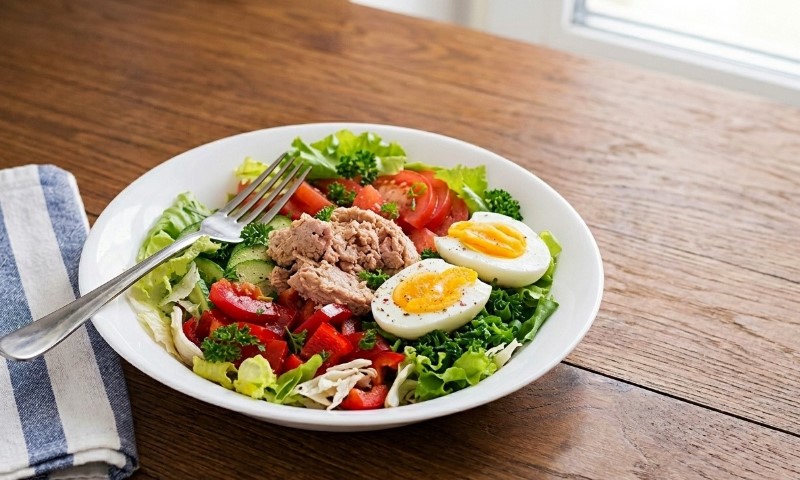
Paleo meals are built around:
- Whole foods
- Animal protein
- Vegetables
- Fruits
- Nuts
- Seeds
- Natural fats
Common paleo plate:
- Animal protein
- Non-starchy or starchy vegetables
- Fruit
- Healthy fat
Meal planning on paleo focuses on food quality, sourcing, variety, and avoiding processed foods.
Sample paleo day:
Breakfast: 3 large eggs with spinach and tomatoes sauteed in olive oil, plus about 1 cup fresh berries.
Lunch: About 5 ounces grilled chicken breast with mixed greens, 1/2 avocado, sliced almonds, olive oil vinaigrette, and 1 medium apple.
Snack: About 1 cup carrot sticks, 1 cup celery sticks, and 2 tablespoons homemade almond butter.
Dinner: About 6 ounces wild salmon, roasted Brussels sprouts, 1 medium sweet potato, fresh herbs, and about 1 cup mixed fruit salad.
Dessert: Baked apple with cinnamon and walnuts.
- Approximate daily total: 2,000 calories.
- Snack estimate: about 200 calories.
- Dinner estimate: about 850 calories.
Results and Practical Considerations

Keto may support weight loss and blood sugar control because it sharply limits carbohydrates. Some people also find that high-fat, low-carb meals reduce appetite.
- Keto can be harder to sustain because it restricts many common foods, including fruit, grains, beans, starchy vegetables, milk, and many desserts.
- Paleo may support weight loss by reducing processed foods, added sugar, refined grains, and industrial snack foods.
Paleo may be easier for many people long term because it allows more variety, including fruit, root vegetables, and natural sweeteners in small amounts.
Both plans require careful planning. Keto users need to watch hidden carbs and fiber intake. Paleo users need to watch calories in nuts, oils, dried fruit, and natural sweeteners.
Best choice depends on goals, health status, food preferences, activity level, and long-term consistency.
Summary
Keto and paleo both reduce processed foods, grains, legumes, and added sugar.
Keto is high-fat, very low-carb, and ketosis-focused.
Paleo is whole-food-focused, food-quality-focused, and more flexible with carbohydrates.
Keto may be useful for weight loss and blood sugar control. Paleo may be easier for many people to maintain because it allows more food variety.
Personal goals, medical needs, food preferences, and consistency should guide the choice.

Hi there, my name is Kelly Barlow and kellytoeat.com is my blog. Here, I write about various recipes I want to reccommend to readers.
I try to find the best possible recipes that can attract the attention of readers, and at the same time, I strive to write it in the most engaging manner possible.
When I was younger, I wanted to become a chef. Sadly, it wasn’t meant to be, but at the very least, I write about it.