
Once opened, most deli meat lasts 3 to 5 days in the refrigerator, assuming it is stored properly and kept consistently cold.
That window is shorter than many people expect, and pushing past it is one of the most common causes of foodborne illness at home.
The exact shelf life depends on whether the meat is prepackaged or freshly sliced, how it is handled, and how well moisture and air exposure are controlled.
Why Deli Meat Spoils Quickly After Opening
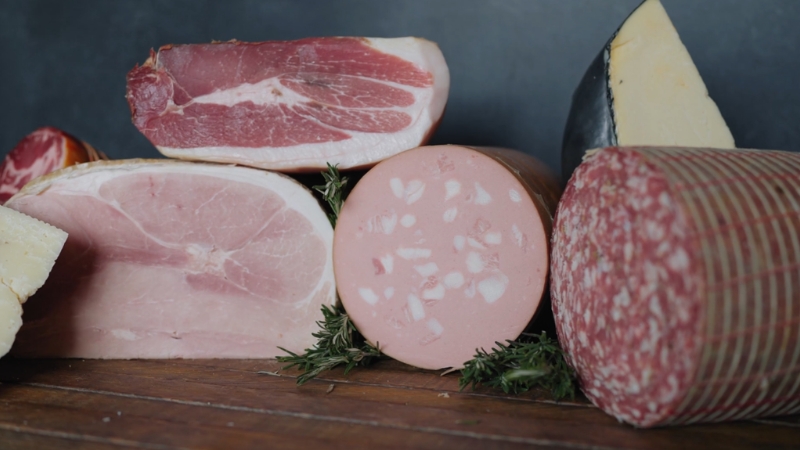
Deli meat is already cooked or cured, but it is high-risk once exposed to air. Opening the package introduces bacteria, oxygen, and moisture changes that accelerate spoilage.
Many deli meats also have a high surface area and relatively high moisture, which creates ideal conditions for bacterial growth.
Another key factor is Listeria monocytogenes, a bacterium that can grow at refrigerator temperatures. This is why food safety guidelines for deli meats are stricter than for many other cooked foods.
Prepackaged vs Fresh-Sliced Deli Meat
Shelf life differs significantly depending on how the meat was prepared and packaged.
Prepackaged deli meats are sealed in controlled environments with preservatives and lower oxygen exposure. Fresh-sliced meats from a deli counter are exposed to equipment, air, and handling immediately.
Deli Meat Shelf Life After Opening
Type
Typical Shelf Life (Refrigerated)
Prepackaged deli meat
3–5 days
Fresh-sliced deli meat
3 days
Vacuum-sealed (opened)
3–5 days
Unopened prepackaged
Until the use-by date
Shelf Life by Type of Deli Meat
Different meats spoil at different rates depending on fat content, curing method, and moisture.
Common Deli Meats and Longevity
Meat Type
Expected Freshness After Opening
Turkey
3–4 days
Chicken
3–4 days
Ham
3–5 days
Roast beef
3 days
Salami (dry-cured)
5–7 days
Bologna
3–5 days
Dry-cured meats such as salami last slightly longer because lower moisture slows bacterial growth. Roast beef spoils faster due to higher moisture and minimal curing.
Storage Conditions That Actually Matter
Temperature stability matters more than the printed date. Deli meat should be stored at 4°C / 40°F or colder, ideally in the coldest part of the refrigerator, not the door.
Air exposure is the second biggest factor. Leaving deli meat loosely wrapped or partially open allows oxidation and bacterial growth to accelerate.
Best Storage Practices
Factor
Best Practice
Temperature
Below 40°F (4°C)
Air exposure
Airtight container
Moisture
Dry surface, no pooling liquid
Location
Back of fridge, not door
Handling
Clean utensils only
Can You Extend the Shelf Life?

You can slow spoilage slightly, but you cannot make deli meat last much longer safely.
Wrapping deli meat tightly in parchment or wax paper and placing it inside an airtight container helps control moisture without trapping slime. Avoid wrapping directly in plastic wrap unless it is very tight, as trapped moisture accelerates spoilage.
Freezing deli meat is possible, but the texture usually suffers. Frozen deli meat is best used for cooking rather than for sandwiches.
Refrigeration vs Freezing
Method
Texture After Thaw
Safe Duration
Refrigeration
Normal
3–5 days
Freezing
Softer, drier
1–2 months
Signs Deli Meat Is No Longer Safe
View this post on Instagram
Smell alone is not enough. Some dangerous bacteria do not produce strong odors.
Discard deli meat immediately if you notice:
- Slimy or sticky surface
- Sour, sulfur-like, or “off” smell
- Gray, green, or rainbow discoloration
- Excess liquid buildup
- Mold growth (except on dry-cured salami casing)
Spoilage Indicators
Sign
What It Means
Sliminess
Bacterial growth
Strong odor
Advanced spoilage
Discoloration
Oxidation or bacteria
Mold
Unsafe to eat
What About Expiration and “Use-By” Dates?
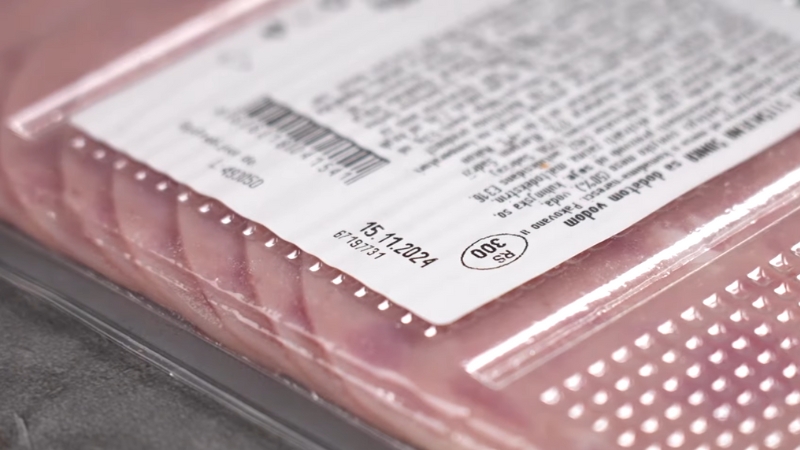
Use-by dates apply to unopened packages stored correctly. Once opened, the clock resets. Even if the date is still days away, opened deli meat should follow the 3–5 day rule.
If deli meat was left at room temperature for more than 2 hours (or 1 hour in hot conditions), it should be discarded regardless of date.
High-Risk Groups Should Be Extra Cautious
Pregnant individuals, older adults, young children, and immunocompromised people should avoid deli meat that is not freshly opened or reheated. Heating deli meat until it is steaming hot significantly reduces the risk.
Final Perspective
@mommailena Fresh Cut Deli Meats…dont last long. #deli #roastbeef #turkey #sandwich #freeze #mommailena ♬ Ooh Ahh (My Life Be Like) [feat. Tobymac] – Grits
Opened deli meat is not designed for long storage. In real kitchen conditions, 3 to 5 days is the safe window, and for freshly sliced meats, often closer to 3.
Proper refrigeration and airtight storage help, but they do not override basic food safety limits.
If deli meat shows sliminess, odor changes, or discoloration, discard it immediately. When in doubt, throw it out. The cost of replacement is minimal compared to the risk of foodborne illness.

Hi there, my name is Kelly Barlow and kellytoeat.com is my blog. Here, I write about various recipes I want to reccommend to readers.
I try to find the best possible recipes that can attract the attention of readers, and at the same time, I strive to write it in the most engaging manner possible.
When I was younger, I wanted to become a chef. Sadly, it wasn’t meant to be, but at the very least, I write about it.